


Soil contamination, particularly with heavy metals such as lead, poses a significant risk to environmental and public health. As urban areas expand and industrial operations leave behind a legacy of pollutants, understanding the extent and sources of contamination becomes critical. A recent study conducted by Reid, M.T., Hung, W.C., Lynch, E., and their collaborators has shed light on soil lead contamination in Los Angeles, California, focusing particularly on a historical metallurgy facility. This kind of community-engaged analysis is essential for identifying pollution hotspots and developing remediation strategies.
In this research, the investigators embarked on an extensive examination of soil lead levels surrounding a site that has a storied past related to metallurgy. The legacy of this industry has left a multifaceted impact on the local environment, which now faces the daunting task of addressing this contamination. By integrating community perspectives into their analytical framework, the researchers were able to not only map contamination levels but also engage residents in understanding the risks associated with lead exposure.
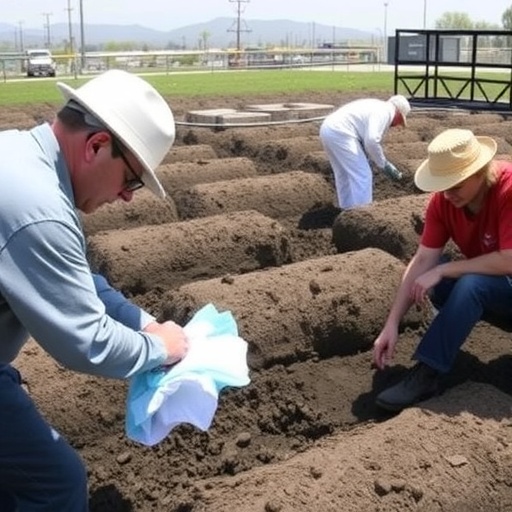
The methodology employed in this study was both rigorous and innovative. Samples were systematically collected from various locations around the metallurgical facility, employing geo-referenced techniques to ensure thorough representation of the area. This painstaking sampling process allowed the researchers to construct a detailed spatial distribution of lead concentration in the soil. Subsequently, sophisticated analytical methods were employed to quantify lead levels and assess their potential health risks to the community.
As the research unfolded, the results revealed alarming concentrations of lead in certain hotspots, exceeding safe thresholds recommended by environmental health agencies. This discovery brings attention to the long-reaching implications of industrial activity, particularly in urban settings where vulnerable populations may reside. Lead contamination not only affects soil quality but can seep into water supplies and local food sources, creating a cascade of health risks ranging from neurological impairment in children to various chronic diseases in adults.
Community engagement was a cornerstone of this study. Researchers didn’t just come in to take samples and leave; they made a concerted effort to involve local residents. By doing so, they were able to foster awareness and dialogue around the issue of lead exposure. Workshops and informational sessions were held to educate residents about the dangers of lead contamination and the steps they could take to minimize risks. This participatory approach helped reinforce trust between researchers and the community, making the scientific findings resonate on a personal level.
Furthermore, the study presented an opportunity for community members to contribute to the research process. Local volunteers participated in soil sampling activities, allowing them to gain firsthand experience in scientific inquiry while fostering a sense of ownership over the findings. This method not only enhances the robustness of the data collected but also empowers residents by involving them in addressing the very concerns that affect their health and environment.
The implications of this research extend beyond merely identifying contaminated sites. It emphasizes the need for comprehensive soil remediation plans, which are crucial to restoring the affected environments. The study advocates for policymakers to take action based on solid scientific data and to prioritize funding for cleanup efforts in areas where lead contamination is prevalent.
Moreover, it raises questions about the regulatory frameworks surrounding industrial sites and the mechanisms that are in place to monitor and mitigate environmental damage. In the case of the metallurgy facility in Los Angeles, the historical context reveals a lack of regulatory foresight that allowed hazardous materials to be left unmanaged for decades. This highlights the importance of both preemptive policies and responsive strategies for environmental management moving forward.
The researchers call for collaborative efforts between government agencies, environmental health organizations, and end-users of contaminated lands. Implementing a multi-faceted approach that includes continuous monitoring, public education, and community-led remediation projects could significantly improve outcomes. This research serves as a case study for similar industrial sites across the globe, where the intersection of public health and environmental science is of paramount importance.
In conclusion, the deeply rooted legacy of lead contamination in urban settings, particularly near historical industrial sites, necessitates urgent attention. The innovative methodologies and community engagement strategies highlighted in this study offer a framework for addressing these complex issues. As researchers continue to unveil the ramifications of industrial activities on public health, interdisciplinary collaboration and community involvement will be crucial in shaping effective responses and policies geared towards environmental justice and safety.
By understanding the truths about soil contamination and involving the public in the conversation, we can strive for a more equitable approach to environmental health, paving the way for cleaner, safer, and healthier communities. Only through awareness, education, and engagement can we hope to mitigate the long-lasting consequences of lead and similar pollutants that threaten our soil and, as a result, our children’s futures.
In light of this compelling research, it is critical that we continue to support efforts aimed at investigating and resolving soil contamination issues in urban areas similar to Los Angeles. The need for actionable insights that prioritize the health of communities cannot be overstated, and studies like this one provide a pathway for understanding and addressing these pressing concerns.
Reid, M.T., Hung, WC., Lynch, E. et al. Community-engaged analysis of soil lead contamination near a historical metallurgy facility in Los Angeles, California.
Environ Sci Pollut Res (2026). https://doi.org/10.1007/s11356-025-37341-z
Cite Scienmag News
Violet Maxwell. (January 12, 2026). Investigating Soil Lead Contamination Near LA’s Metal Works. Scienmag. https://scienmag.com/investigating-soil-lead-contamination-near-las-metal-works/
Violet Maxwell. "Investigating Soil Lead Contamination Near LA’s Metal Works." Scienmag, 12 January 2026, https://scienmag.com/investigating-soil-lead-contamination-near-las-metal-works/. Accessed 4 September 2026.
Violet Maxwell. "Investigating Soil Lead Contamination Near LA’s Metal Works." Scienmag. January 12, 2026. https://scienmag.com/investigating-soil-lead-contamination-near-las-metal-works/


