



view more
Credit: Dr. Pramod Tripathi, CC-BY 4.0 (
Nearly one-third of people with type 2 diabetes (T2D) in an Indian cohort achieved remission through an intensive lifestyle intervention program, according to a new study publishing October 22, 2025, in the open-access journal PLOS One by Pramod Tripathi of Freedom from Diabetes Clinic & Diabetes Research Foundation, India, and colleagues.
Type 2 diabetes affects more than 72 million people in India. While lifestyle interventions have shown promise for diabetes management in Western populations, limited data exists on their effectiveness in India, where genetic and lifestyle factors place the population at higher risk.
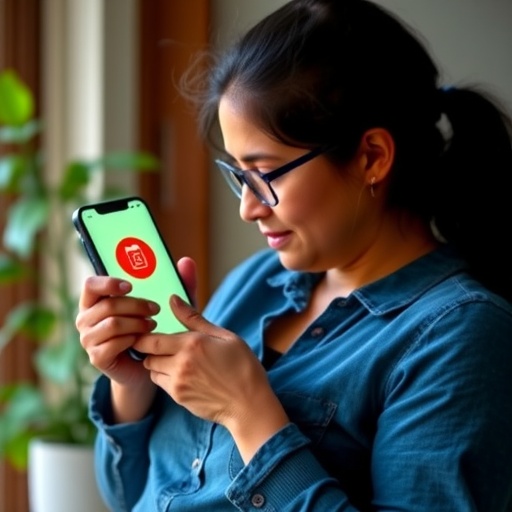
In the new study, researchers analyzed data from 2,384 adults with T2D who enrolled in a one-year online intensive lifestyle intervention program at the Freedom from Diabetes Clinic in India between May 2021 and August 2023. The intervention, provided by a six-member care team through a mobile application, included a personalized plant-based diet, structured physical activity, group therapy and individual psychological counseling, and medication management.
Overall, 744 participants (31.2%) achieved diabetes remission, defined as maintaining glycated hemoglobin (HbA1c) levels below 48 mmol/mol for at least three months without glucose-lowering medications. The remission group showed significantly greater improvements than the non-remission group in weight (8.5% vs. 5.2% reduction), body mass index (8.6% vs. 5.2% reduction), HbA1c (15.3% vs. 12.4% reduction), fasting insulin (26.6% vs. 11.4% reduction), and insulin resistance (37.3% vs. 19.7% reduction). People under 50 years of age, with higher BMI, no prior medication use, and a shorter duration of diabetes (<6 years) were most likely to achieve remission. The study was limited by its retrospective design and lack of a control group. Because the program required a subscription and participants who lacked follow up data were excluded from the analysis, there may have been selection biases. However, the authors conclude that a significant proportion of individuals with T2D can achieve remission through a comprehensive, culturally adapted lifestyle program. The authors add: “Our research demonstrates that nearly one-third of individuals with type 2 diabetes can achieve remission through a scientifically designed, culturally tailored, and structured lifestyle intervention. This represents the first large-scale evidence from India highlighting the potential of intensive lifestyle modification in achieving type 2 diabetes remission.” In your coverage, please use this URL to provide access to the freely available article in PLOS One:
Citation: Tripathi P, Kadam N, Kathrikolly T, Tiwari D, Vyawahare A, Sharma B, et al. (2025) Type 2 diabetes remission and its predictors in an Indian cohort: A retrospective analysis of an intensive lifestyle intervention program. PLoS One 20(10): e0333114.
Author countries: India
Funding: The author(s) received no specific funding for this work.
Journal
PLOS One
Method of Research
Observational study
Subject of Research
People
Article Title
Type 2 diabetes remission and its predictors in an Indian cohort: A retrospective analysis of an intensive lifestyle intervention program
Article Publication Date
22-Oct-2025
COI Statement
The authors have declared that no competing interests exist.
Hanna Abdallah
PLOS
onepress@plos.org
Journal
PLOS One
Method of Research
Observational study
Subject of Research
People
Article Title
Type 2 diabetes remission and its predictors in an Indian cohort: A retrospective analysis of an intensive lifestyle intervention program
Article Publication Date
22-Oct-2025
COI Statement
The authors have declared that no competing interests exist.
Cite Scienmag News
Ophelia Keating. (October 22, 2025). Intensive App-Based Lifestyle Program Enables Diabetes Remission in One-Third of Indian Patients. Scienmag. https://scienmag.com/intensive-app-based-lifestyle-program-enables-diabetes-remission-in-one-third-of-indian-patients/
Ophelia Keating. "Intensive App-Based Lifestyle Program Enables Diabetes Remission in One-Third of Indian Patients." Scienmag, 22 October 2025, https://scienmag.com/intensive-app-based-lifestyle-program-enables-diabetes-remission-in-one-third-of-indian-patients/. Accessed 3 September 2026.
Ophelia Keating. "Intensive App-Based Lifestyle Program Enables Diabetes Remission in One-Third of Indian Patients." Scienmag. October 22, 2025. https://scienmag.com/intensive-app-based-lifestyle-program-enables-diabetes-remission-in-one-third-of-indian-patients/

