

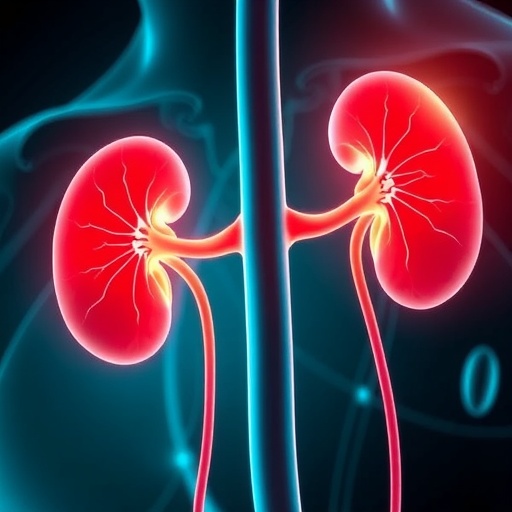
A groundbreaking study has presented a transformative approach to managing kidney transplantation, raising hopes for a future where patients can replace their daily regimen of multiple immunosuppressant pills with monthly infusions. This innovation aims not only to simplify treatment adherence but also to mitigate the damaging side effects often associated with standard therapies and to extend the longevity of donor kidneys.
Kidney transplant recipients currently rely on daily oral immunosuppressants to prevent rejection of the donor organ. While these medications effectively suppress the immune response, their chronic use is linked to gradual decline in renal function and a host of systemic complications. These side effects often discourage consistent medication adherence, jeopardizing transplant success. Complications from standard drugs include an increased risk of developing diabetes, hypertension, and dyslipidemia, along with debilitating symptoms such as fatigue, muscle weakness, sexual dysfunction, hair loss, and insomnia.
The new treatment protocol, evaluated in a recent Phase 2 pilot clinical trial, implements biotherapeutic agents—belatacept and dazodalibep—that target immune pathways with greater precision. Unlike conventional immunosuppressants that broadly affect various cell types, these proteins selectively inhibit specific immune interactions responsible for graft rejection, sparing non-immune cells from collateral damage. This targeted mechanism potentially reduces systemic toxicity while maintaining robust graft protection.
In this small-scale study, 23 kidney transplant recipients initially received standard immunosuppressants to stabilize their immune status. These medications were then fully discontinued by day 28, transitioning patients entirely to the novel biotherapeutic infusion regimen over a 48-week period. Across all participants who completed the trial, researchers observed marked improvements in kidney function parameters. Remarkably, immune-mediated rejections linked to antibody formation were absent, a common and grave complication in organ transplantation.
Despite promising outcomes, the study encountered early challenges. Two of the first three participants experienced episodes of acute organ rejection. These events were effectively managed and reversed with adjusted dosing strategies, underscoring the importance of fine-tuning biotherapeutic administration. The modifications enhanced safety profiles and patient tolerability, with 13 out of 23 patients successfully completing the study. Withdrawal in seven other cases was attributed to acute rejection episodes, side effects, or undisclosed reasons.
The study’s principal investigators emphasize the potential of this approach to revolutionize post-transplant care. Dr. Flavio Vincenti, professor of medicine and surgery at UC San Francisco, highlighted the anticipated improvement in medication compliance, attributing it to the convenience of monthly infusions compared to the burdensome daily pill burden. The direct targeting of immune signaling pathways promises fewer metabolic disturbances and systemic side effects.
Senior author Dr. Allan D. Kirk of Duke University School of Medicine envisions a future where traditional immunosuppressants are reserved for only high-risk patients, sparing most from their toxic effects. This personalized medicine strategy could significantly enhance long-term graft survival and patient quality of life, addressing the persistent challenge of chronic rejection.
Mechanistically, belatacept operates by binding to CD80 and CD86 molecules on antigen-presenting cells, blocking costimulatory signals necessary for T-cell activation. Dazodalibep is engineered to interfere with specific immune signaling interactions, further preventing activation of the adaptive immune response against the donor kidney without impairing broader immune functions. Together, these agents orchestrate a finely tuned immune modulation.
The reduction in adverse metabolic effects is noteworthy. Traditional agents, such as calcineurin inhibitors, contribute to nephrotoxicity and metabolic derangements, including insulin resistance and dyslipidemia, which compound morbidity over time. By circumventing these pathways, the biotherapeutic infusion regimen represents an important step toward safer long-term immunosuppression.
Looking ahead, a larger-scale trial is planned to validate these promising findings across a diverse population of transplant recipients. This next phase will critically assess efficacy, optimal dosing, and long-term safety, aiming to establish new standards for post-transplant immunotherapy.
Pharmaceutical support for the study was provided by Amgen, which funded the research and supplied grant resources. Disclosure notes include Dr. Kirk’s affiliation with Eledon Pharmaceuticals, reflecting the close intersections of academic research and industry innovation in advancing transplant medicine.
This pioneering research underscores a shift in organ transplantation from broad-spectrum immunosuppression to precision immunomodulation, heralding a future in which kidney transplant patients might enjoy not only prolonged graft survival but also markedly improved quality of life through reduced medication complexity and toxicity.
Subject of Research: Kidney transplantation immunosuppression optimization
Article Title: Not specified within content
News Publication Date: February 3
Web References: American Journal of Transplantation (publication source), UCSF Health
References: Published results in American Journal of Transplantation, February 3
Keywords: Transplantation, Organ transplantation, Kidney, Nephropathies, Diseases and disorders, Health care, Human health, Pharmaceuticals, Drug delivery, Drug therapy, Medications, Surgery


