

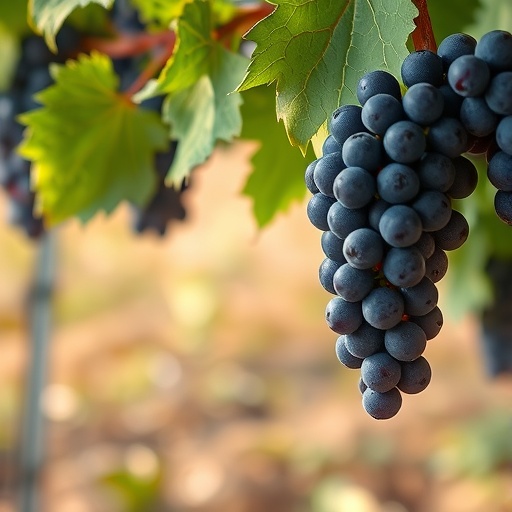
High-altitude viticulture is gaining traction in the winemaking community, especially in Brazil’s Cerrado region, which is characterized by its unique climate and soil conditions. In a groundbreaking study, da Silva et al. have delved deep into the intricate relationship between nutritional aspects and environmental stressors affecting the productivity and quality of ‘Syrah’ grapes. This research is timely as wine enthusiasts and viticulturists alike are searching for innovative methods to enhance grape cultivation amid the challenges posed by climate variability.
The Cerrado, with its high altitudes and diverse ecosystem, offers a unique setting for grape cultivation. The researchers explored how the nutritional profile of the soil impacts grape growth and development. They conducted extensive field studies to assess the mineral content of the soil, which plays a crucial role in the nutritional uptake by grapevines. This soil analysis revealed that specific micronutrients were deficient, potentially influencing grape quality and yield.
Moreover, the study meticulously examined the effects of abiotic stress conditions such as drought, temperature fluctuations, and soil salinity. These environmental stressors can significantly influence vine physiology, leading to changes in berry composition. Understanding these interactions is critical for developing management strategies that can mitigate the negative impacts of such stress conditions on grape production. The findings indicated that grapes subjected to controlled stress levels exhibited improved phenolic compounds, which are essential for wine quality.
Additionally, the research underscored the importance of balanced fertilization in enhancing grape quality. The authors emphasized that the application of micronutrients should be tailored to the specific requirements of ‘Syrah’ grapes in the Cerrado climate. Excessive or imbalanced fertilizer application can lead to vegetative growth at the expense of fruit quality. Hence, precise nutrient management is vital for optimizing yield and maintaining the high standards necessary for quality winemaking.
Through methodical experimentation, the research team also studied how variations in irrigation practices influence grape maturation and flavor profile. Controlled irrigation was found to improve the concentration of sugars, acids, and aromatic compounds in the grapes. These factors are essential for producing wines with depth and character. The implications of these findings are profound, suggesting that proper irrigation techniques could serve as a tool for winemakers to enhance the palate and bouquet of their wines.
The study further highlights the impact of climatic changes on vineyard management practices. As global temperatures rise and weather patterns become erratic, traditional practices may no longer suffice. The researchers call for a paradigm shift in viticulture, advocating for sustainable practices that align with the changing climate and elevate fruit quality. This approach not only benefits grape growers economically but also supports environmental conservation efforts.
Emphasizing sustainability, the researchers encourage the integration of organic farming practices. Such methods not only improve soil health but also enhance the resilience of grapevines against stressors. The combination of organic and conventional practices could provide a balanced approach, catering to both vine health and market demands for organic wines. This fluidity between different farming strategies positions the Brazilian Cerrado as a competitive player in the global wine market.
The findings presented by da Silva et al. have far-reaching implications for viticulture. By elucidating the intricate link between nutrition, climate, and grape quality, the study serves as a critical reference for both current and aspiring viticulturists. It has stirred interest across the agricultural community, as many are keen to explore how these insights could revolutionize grape production in other high-altitude regions worldwide.
Furthermore, the research also touches upon the socio-economic aspect of viticulture in Brazil. The burgeoning wine industry has the potential to invigorate local economies, create jobs, and promote sustainable land use practices. Empowering local farmers with the knowledge derived from this study can lead to enhanced practices that respect the Cerrado’s unique biodiversity while fostering economic growth.
In conclusion, the research by da Silva et al. significantly contributes to our understanding of how nutritional aspects and stress conditions impact grape quality in the Brazilian high-altitude Cerrado. Their commitment to rigorous scientific investigation opens new pathways for innovation in the wine industry. As the demand for high-quality wines continues to escalate, the findings of this study can serve as a beacon of knowledge, guiding future endeavors toward sustainability and excellence in viticulture.
In the face of climate change and evolving consumer preferences, this research may serve as the foundation for future studies aiming to optimize grape production across diverse environments. The dedication of researchers to uncover these nuances in grape cultivation signifies a promising future for viticulture in Brazil, making significant waves in the global wine arena. Refocusing efforts towards sustainability and quality not only helps in producing exceptional wines but also stands to benefit the environment—an endeavor that aligns closely with the ethos of modern consumers who increasingly support eco-friendly practices.
The potential for high-altitude viticulture is immense, and as the Brazilian wine industry continues to explore this frontier, the research conducted by da Silva and colleagues will undoubtedly play a crucial role in shaping best practices and encouraging innovation within the field. Investing in research and development will be key to realizing the potential of the Brazilian Cerrado in the global wine market.
Subject of Research: Nutritional aspects and stress conditions on the productivity and quality of ‘Syrah’ grapes in the Brazilian high-altitude Cerrado.
Article Title: Nutritional aspects and stress conditions on the productivity and quality of ‘Syrah’ grapes in the Brazilian high-altitude Cerrado.
Article References:
da Silva, L.C., Dal Magro, L., Sant Anna, R.L. et al. Nutritional aspects and stress conditions on the productivity and quality of ‘Syrah’ grapes in the Brazilian high-altitude Cerrado.
Discov. Plants 2, 375 (2025). https://doi.org/10.1007/s44372-025-00457-0
Image Credits: AI Generated
DOI: https://doi.org/10.1007/s44372-025-00457-0
Keywords: Viticulture, Syrah grapes, Nutritional aspects, Stress conditions, High-altitude, Brazilian Cerrado, Wine quality, Sustainable practices, Climate change, Soil health.


