


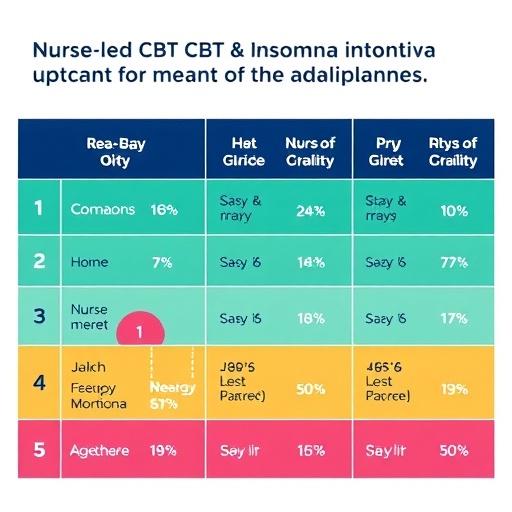
Recent research has unveiled promising results in addressing insomnia through the innovative application of nurse-led cognitive behavioral therapy (CBT). A meta-analysis conducted by Bai, Zhou, Liu, and others has meticulously examined the efficacy of this therapeutic approach in assisting adults who struggle with insomnia. Insomnia, characterized by chronic difficulty in falling or staying asleep, has significant implications not only on personal well-being but also on public health, as it can exacerbate various conditions such as anxiety, depression, and cardiovascular diseases.
The research, conducted within the framework of modern healthcare systems that prioritize holistic patient care, emphasizes the pivotal role that nurses play in mental health interventions. Unlike traditional models where therapy is predominantly spearheaded by psychologists or psychiatrists, this study suggests that trained nursing professionals can effectively facilitate CBT, thereby enriching the treatment landscape for insomnia. This shift potentially democratizes access to mental health resources, making them more readily available to those in need.
Cognitive behavioral therapy itself involves structured techniques aimed at influencing thought patterns and behaviors that contribute to insomnia. By guiding patients through cognitive restructuring and behavioral modifications, therapy aims to alter the negative cycles that perpetuate sleep disturbances. The findings from the meta-analysis reveal that nurse-led CBT not only improves sleep quality but also significantly reduces levels of insomnia severity among participants.
One noteworthy aspect of this research is the comprehensive statistical analysis that combines data from multiple studies, thereby enhancing the validity of the findings. By aggregating results from diverse clinical settings, the authors offer substantial evidence supporting the claim that CBT facilitated by nurses can lead to better outcomes than standard interventions for insomnia. This robust methodological approach can inspire further exploration into various applications of nurse-led therapies that extend beyond insomnia.
Another fundamental element of the study is the emphasis on the collaborative nature of CBT. The therapeutic process adheres to principles of partnership, where nurses work closely with patients to develop personalized treatment plans. This collaborative framework not only fosters trust but also empowers patients, enhancing their commitment to the therapeutic process and improving the overall effectiveness of treatment.
The implications of these findings are paramount, especially considering the rising prevalence of insomnia in contemporary society. Factors such as increased screen time, heightened stress levels, and lifestyle changes have contributed to a noticeable uptick in sleep-related disorders. Therefore, integrating nurse-led CBT into standard care protocols might represent a proactive stance in mental health, addressing the root causes of insomnia rather than merely providing symptomatic relief.
Moreover, the role of education and training in enhancing the effectiveness of nurse-led CBT cannot be overlooked. The meta-analysis highlights the necessity for specialized training programs aimed at equipping nurses with the skills needed to implement CBT effectively. By establishing curricula that focus on cognitive behavioral techniques, nursing schools and healthcare institutions can ensure that their practitioners are adequately prepared to handle complex mental health cases.
Furthermore, a key takeaway from this research is the cost-effectiveness of implementing nurse-led CBT interventions. With rising healthcare costs often posing significant barriers to access, the incorporation of trained nurses into the mental health care continuum can provide a sustainable solution. As nurses are already part of the frontline healthcare workforce, leveraging their expertise for mental health interventions could alleviate some of the financial burdens faced by patients seeking therapy.
This meta-analysis also sets the groundwork for future research avenues. As understanding of insomnia develops, there is a critical need to explore the physiological underpinnings and psychological ramifications associated with sleep disorders. Investigating how nurse-led CBT affects brain activity and sleep architecture could yield insights that elevate the practice of sleep medicine.
As public awareness of mental health continues to grow, the acceptance of nurse-led interventions may also benefit from advocacy and outreach initiatives. Raising awareness about the scope of practice for nurses in mental health settings can demystify misconceptions and encourage patients to seek help from these professionals. This campaign would not only promote nurse-led CBT but would also contribute to addressing the stigma often associated with seeking mental health care.
In conclusion, the compelling evidence presented by Bai and colleagues underscores the significance of integrating nurse-led cognitive behavioral therapy into the treatment paradigms for insomnia. By recognizing the unique capabilities of nursing professionals in mental health care, healthcare systems can innovate solutions that ultimately improve patient outcomes in sleep health. This meta-analysis not only paves the way for immediate change but also inspires a reconsideration of how mental health services can be delivered more equitably across diverse populations.
The fusion of nursing and psychology through innovative therapeutic protocols such as nurse-led CBT exemplifies the potential for interdisciplinary approaches to tackle pressing health issues. As research continues to develop in this arena, it is clear that the future of insomnia treatment may very well hinge on the collaborative efforts of various healthcare practitioners united in the mission of enhancing patient health.
Bai, T., Zhou, X., Liu, X. et al. Effects of nurse-led cognitive behavioral therapy on insomnia in adults: a meta-analysis.
BMC Nurs (2026). https://doi.org/10.1186/s12912-026-04313-8
Cite Scienmag News
Glenn Wilkins. (January 15, 2026). Impact of Nurse-Led CBT on Adult Insomnia. Scienmag. https://scienmag.com/impact-of-nurse-led-cbt-on-adult-insomnia/
Glenn Wilkins. "Impact of Nurse-Led CBT on Adult Insomnia." Scienmag, 15 January 2026, https://scienmag.com/impact-of-nurse-led-cbt-on-adult-insomnia/. Accessed 5 September 2026.
Glenn Wilkins. "Impact of Nurse-Led CBT on Adult Insomnia." Scienmag. January 15, 2026. https://scienmag.com/impact-of-nurse-led-cbt-on-adult-insomnia/


