


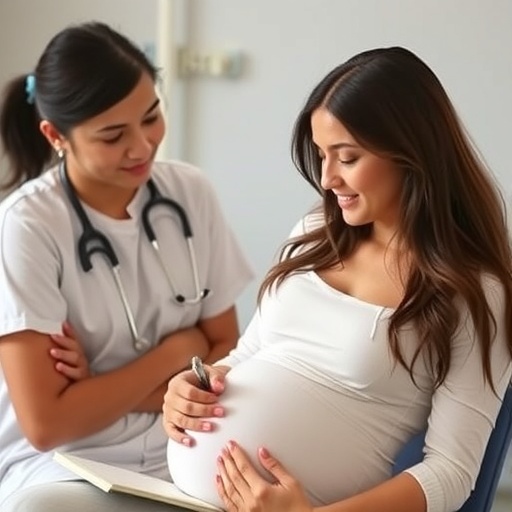
In recent years, the importance of mental health during the perinatal period has gained increasing recognition within healthcare frameworks globally, particularly across Africa. A recent study, published in BMC Medical Education, explores the feasibility and effectiveness of an interprofessional educational program centered on perinatal mental health, drawing insights from health students in two African countries. This study represents a significant stride towards improving the understanding and management of mental health issues prevalent among mothers and newborns through comprehensive educational initiatives.
At the core of the research is the realization that perinatal mental health challenges are often overlooked, leading to detrimental effects on both mothers and children. The transition into motherhood can be fraught with psychological struggles, including anxiety and depression, which can ultimately hinder healthcare outcomes. In light of these considerations, the researchers aimed to evaluate how well an interprofessional educational approach could enhance the preparedness and knowledge of future healthcare providers tasked with addressing these critical issues.
The interprofessional program implemented in this study consisted of diverse educational methodologies, designed to foster collaboration among various health disciplines. By integrating the expertise of nursing, midwifery, and medicine, the program sought to create a holistic learning environment where health students could acquire vital skills in recognizing and addressing perinatal mental health problems. This approach aligns with global health recommendations that emphasize the need for collaborative care to improve patient outcomes in complex scenarios.
Participants in the educational program reported a significant increase in their understanding of the psychological aspects of perinatal health. Through interactive workshops, simulations, and discussions with seasoned professionals, students gained insights into the multifaceted nature of mental health during pregnancy and the postpartum period. These hands-on experiences proved essential in equipping the future healthcare workforce with practical knowledge, ultimately fostering a more empathetic approach toward patient care.
Furthermore, the insight gained from students across varying backgrounds underscores the potential for diverse perspectives to enrich the educational experience. The research highlights how exposure to a wide range of opinions and experiences can contribute to a deeper understanding of cultural nuances in mental health care. This diversity in learning paves the way for healthcare professionals who are not only knowledgeable but also culturally sensitive, thereby enhancing their ability to cater to the needs of mothers from different backgrounds.
Another pivotal aspect of the study was the affirmation of the need for ongoing training initiatives focused on mental health. The students expressed a strong desire for continued education in this realm, signifying a gap that still exists in their formal training. Recognizing this need is crucial for institutional policymakers, as it emphasizes the importance of integrating mental health components into existing medical and nursing curricula.
Alongside the educational benefits, the study also delved into the effectiveness of such programs in altering perceptions and attitudes towards perinatal mental health. The results indicated a marked shift in how participants viewed mental health problems in the context of pregnancy and postpartum care. This change in perception is vital, as it can influence the way future professionals approach such issues in their practice, potentially leading to improved patient outcomes and enhanced support for mothers in need.
This study also raises critical questions about the systemic changes required to incorporate mental health education more comprehensively into healthcare training. While the interprofessional program offers a promising model, its scalability and sustainability depend on institutional support and commitment to reform. With findings indicating the positive impact of such programs, it beckons a call to action from academic institutions and health organizations to prioritize mental health in educational frameworks.
In conclusion, the interprofessional educational program on perinatal mental health explored in this study not only demonstrates the feasibility of such initiatives but also underscores their effectiveness in transforming the perceptions and preparedness of emerging healthcare professionals. The pressing need for a more focused approach to mental health education within healthcare curricula cannot be overstated. As the demand for competent healthcare providers who are well-versed in the complexities of perinatal mental health continues to rise, this research stands as a testament to the potential of interprofessional education in advancing both knowledge and practice in this crucial area of health.
The insights derived from this study hold implications for future research and educational policy, urging a reassessment of how mental health is integrated into health education programs. It is evident that enhancing the education of healthcare providers in this domain can significantly impact the overall health and well-being of mothers and their children. With continued advocacy and research, the vision of improving perinatal mental health through education can become a reality, ultimately leading to healthier generations to come.
As global awareness surrounding mental health issues continues to expand, it is imperative that the healthcare education system evolves to meet these emerging challenges. The ongoing dialogue about the importance of mental health training paves the way for initiatives that not only prepare health students for their careers but also solidify the foundation for comprehensive care in their future practices.
The pathway to enhancing perinatal mental health care is multifold, intertwining education, culture, and community support. By embracing interprofessional collaboration and championing the significance of mental health, a new era of health care can emerge—one that prioritizes the psychological well-being of mothers and their babies, leading to more resilient families and communities overall.
In essence, this study serves as a rallying call for action within the healthcare education landscape, signaling a pivotal shift toward a future where mental health is no longer relegated to the sidelines but becomes a cornerstone of health education and practice. The road ahead is challenging, yet filled with potential, marking the beginning of a transformative journey that could redefine perinatal healthcare across the globe.
Bam, V.B., Diji, A.KA., Lartey, S.D. et al. Feasibility and effectiveness of an interprofessional educational program on perinatal mental health: perspectives of health students in two African countries.
BMC Med Educ (2026). https://doi.org/10.1186/s12909-025-08554-0
Cite Scienmag News
Glenn Wilkins. (January 7, 2026). Impact of Interprofessional Education on Perinatal Mental Health. Scienmag. https://scienmag.com/impact-of-interprofessional-education-on-perinatal-mental-health/
Glenn Wilkins. "Impact of Interprofessional Education on Perinatal Mental Health." Scienmag, 7 January 2026, https://scienmag.com/impact-of-interprofessional-education-on-perinatal-mental-health/. Accessed 5 September 2026.
Glenn Wilkins. "Impact of Interprofessional Education on Perinatal Mental Health." Scienmag. January 7, 2026. https://scienmag.com/impact-of-interprofessional-education-on-perinatal-mental-health/


