


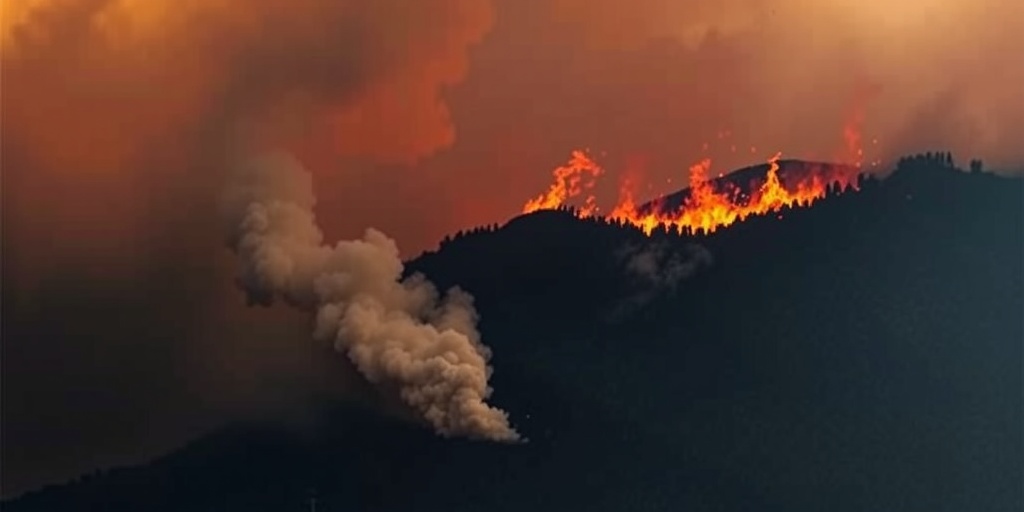
As wildfires become increasingly prevalent and severe due to climate change, their impact extends beyond the physical destruction of property and ecosystems, infiltrating the mental health landscape of affected populations. A groundbreaking study has drawn a disturbing correlation between the exposure to wildfire smoke and the subsequent spike in emergency department visits for mental health issues. The research, conducted as a cross-sectional study, highlights the necessity for healthcare professionals and systems to brace themselves for heightened demand for mental health services during these increasingly frequent environmental catastrophes.
Wildfire smoke contains a cocktail of harmful particulate matter and gases that can severely affect human health. The findings indicate that not only are individuals likely to experience respiratory issues due to inhalation of hazardous smoke, but they are also at an elevated risk for acute mental health crises. The temporal relationship revealed through this study suggests that different demographic groups exhibit varying lag times in experiencing mental health symptoms after being exposed to wildfire smoke. Such insights underscore the complexity of human health in response to environmental pollutants and the multifaceted nature of mental health itself.
Research has consistently demonstrated links between environmental stressors and psychological well-being. However, the aspect of wildfire smoke serves as a unique catalyst, compounding the mental health burden within communities already grappling with the anxiety of potential evacuation, loss of homes, and the traumatic sights that accompany wildfires. Particularly vulnerable populations, including children, the elderly, and individuals with pre-existing mental health conditions, are at greater risk for adverse psychological outcomes following wildfire events.
As wildfire seasons intensify, healthcare systems in affected regions must prepare for a surge in demand for mental health services. Emergency departments, often the first line of response, may find themselves overwhelmed by individuals experiencing heightened anxiety, panic attacks, or exacerbations of existing mental health conditions linked to their traumatic experiences with wildfires. The study emphasizes that healthcare professionals should establish protocols and resources to effectively manage mental health emergencies during such events.
This growing recognition of the mental health ramifications of climate change-related disasters is vital in reallocating healthcare resources and prioritizing mental well-being in emergency preparedness plans. The study suggests that implementing proactive measures, such as community workshops and outreach during calm periods, can prepare at-risk populations for potential mental health crises before they occur.
Furthermore, understanding the variables that contribute to increased mental health challenges following exposure to wildfire smoke can inform targeted intervention strategies. Researchers can zero in on specific demographics and subconditions that exhibit more pronounced symptoms after smoke exposure, facilitating tailored treatment plans that address individual needs. Research has elucidated varying emotional responses among different cultures and demographics, highlighting the necessity for a diverse approach in tackling the emergent mental health crises resulting from wildfires.
In conjunction with medical responses, community engagement plays a crucial role in mental health resilience during wildfire events. Community-driven mental health initiatives can foster stronger social support networks, providing individuals with the tools necessary to better cope with the psychological effects of wildfire smoke. State and federal governments must step in to provide financial and logistical support for these initiatives, as mental health cannot be sidelined in the wake of climate change exacerbated disasters.
Overall, the implications of this study highlight a pivotal need for cross-disciplinary cooperation among climate scientists, public health officials, and mental health professionals. Understanding the intricate connections between environmental factors and mental health is imperative for crafting comprehensive response strategies that not only address physical health but also nurture psychological well-being. The research presents an urgent call to action for policymakers and healthcare systems to integrate mental health considerations into disaster management strategies.
As we continue to delve into the far-reaching consequences of climate change, our focus must shift towards understanding the holistic impact of environmental health on human psychology. Implementing strategies that protect mental well-being will become an increasingly critical component of environmental health policy as we navigate the realities of a changing climate and its aftermath on human behavior and mental states. In conclusion, the study represents both a warning and an opportunity: a warning that we are at a crossroads in our management of health amid growing environmental threats and an opportunity to rethink our strategies to mitigate mental health crises exacerbated by such events.
Cite Scienmag News
Russell Cooper. (April 4, 2025). Impact of Fine Particulate Matter from 2020 California Wildfires on Mental Health Emergency Visits. Scienmag. https://scienmag.com/impact-of-fine-particulate-matter-from-2020-california-wildfires-on-mental-health-emergency-visits/
Russell Cooper. "Impact of Fine Particulate Matter from 2020 California Wildfires on Mental Health Emergency Visits." Scienmag, 4 April 2025, https://scienmag.com/impact-of-fine-particulate-matter-from-2020-california-wildfires-on-mental-health-emergency-visits/. Accessed 4 September 2026.
Russell Cooper. "Impact of Fine Particulate Matter from 2020 California Wildfires on Mental Health Emergency Visits." Scienmag. April 4, 2025. https://scienmag.com/impact-of-fine-particulate-matter-from-2020-california-wildfires-on-mental-health-emergency-visits/


