


A groundbreaking study published in the renowned journal Aging investigates the intricate relationship between gut microbiome composition and various factors, including age, sex, and mitochondrial haplotypes. Led by researchers Hoang Van M. Nguyen and Archana Unnikrishnan from the University of Oklahoma Health Sciences, the research fills a significant gap in scientific understanding regarding how these diverse factors collectively influence the gut microbiome in a genetically diverse rat model, which mirrors human genetic variation.
The study is particularly timely, as the role of the gut microbiome has gained considerable attention over the past decade due to its profound implications for digestion, metabolism, and even cognitive function. As we age, shifts in gut bacteria have been associated with a range of age-related disorders, including neurodegenerative diseases such as Alzheimer’s and Parkinson’s, as well as metabolic syndromes. Despite this knowledge, most prior research has predominantly focused on male or female subjects in isolation, rarely comparing the two or considering the potential influence of mitochondrial DNA in these biological processes.
In this study, fecal samples from a cohort of genetically diverse rats were meticulously analyzed to assess variations in gut bacteria as well as metabolic byproducts. Researchers found unexpected differences in microbial composition linked to sex and age, challenging the one-size-fits-all approach often used in biomedical research. Surprisingly, aging appeared to affect female rats more than their male counterparts, with nine distinct bacterial species demonstrating significant changes in females compared to only five in males.
Moreover, the researchers uncovered that mitochondrial DNA also plays a pivotal role in this microbiome evolution. The link between mitochondrial genetic influence and gut bacteria evolution presented novel insights into potential overarching mechanisms that could inform future studies. This finding holds profound implications for understanding how mitochondrial functionality may dictate not only metabolic health but also overall wellness as individuals age. The interaction between mitochondrial DNA, biological sex, and gut microbiome diversity sets the stage for targeted, personalized approaches to healthcare.
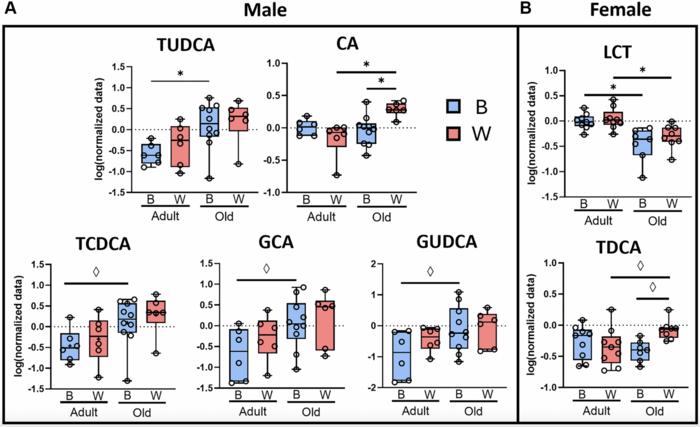
Metabolic compounds, including short-chain fatty acids and bile acids, were also scrutinized within the study. These compounds are known to play critical roles in digestive health and metabolic regulation. The results indicated that aging led to significant alterations in these metabolites based on sex and mitochondrial haplotype, which suggests the necessity of considering gender differences and genetic backgrounds in metabolic research. Female rats exhibited higher short-chain fatty acid levels, hinting at possible differences in nutrient absorption and energy metabolism.
The study advocates for continuing to explore the complexities inherent in the relationship between sex, mitochondrial DNA, and the gut microbiome. As research continues to evolve, the implications of these findings could guide clinicians in tailoring nutritional and therapeutic interventions based on a patient’s genetic makeup and sex. This approach could further enhance our understanding of personalized medicine, particularly for age-related diseases, thus improving preventative strategies.
One of the most crucial conclusions drawn from this research is the emphasis on the unique microbial ecosystems present in males and females. Singularly, this notion reinforces the concept that gender-specific treatment protocols may be warranted in clinical settings. The implementation of microbiome-focused therapies could provide novel avenues for addressing and mitigating concerns related to aging, ultimately improving health outcomes across populations.
As the researchers continue their investigations, the potential for further discoveries remains vast. Future studies may take a closer look at other genetic factors that influence gut health, as well as the environmental factors that could be manipulated to optimize gut microbiome function. This could include dietary interventions, lifestyle modifications, and novel therapeutics aimed at modulating gut flora.
This study underlines the pressing need for a paradigm shift in biomedical research, moving beyond traditional gender-blind methodologies and embracing a holistic approach that recognizes the integral roles of genetics and biology. Such a shift is vital for advancing our understanding of aging and health disparities across different demographic populations. The research by Nguyen et al. is a critical step towards paving the way for innovative strategies that leverage our biological understanding to enhance healthcare delivery and policies.
The findings of this study not only contribute significantly to the scientific literature but also present an opportunity for public health discourse. Understanding how biological sex and mitochondrial DNA interplay in shaping the gut microbiome invites broader discussions on health equity, particularly in developing gender-inclusive health policies that recognize the unique needs and risks of different population groups. This approach could significantly improve how we address the complex landscape of aging and health, ushering in a new era of personalized health strategies tailored to individual genetic and biological differences.
As the aging population continues to grow globally, the urgency for effective interventions to promote better health outcomes becomes even more pronounced. Researchers, practitioners, and policymakers alike must work together to ensure that findings like those of this study become woven into the fabric of health strategies and public health initiatives. Significant progress in gut health could ripple through numerous domains of healthcare, ultimately supporting healthier, more vibrant aging for individuals worldwide.
This fascinating study serves as a reminder of the complexities of biology and the multifaceted nature of health. It challenges us to think critically about the frameworks we use to approach health research, emphasizing the importance of taking into account a wide array of biological factors, including sex and mitochondrial function, to better understand and enhance human health as we age.
Cite Scienmag News
Morgan Morrow. (March 19, 2025). Impact of Age, Sex, and Mitochondrial Haplotype on Rat Gut Microbiome. Scienmag. https://scienmag.com/impact-of-age-sex-and-mitochondrial-haplotype-on-rat-gut-microbiome/
Morgan Morrow. "Impact of Age, Sex, and Mitochondrial Haplotype on Rat Gut Microbiome." Scienmag, 19 March 2025, https://scienmag.com/impact-of-age-sex-and-mitochondrial-haplotype-on-rat-gut-microbiome/. Accessed 4 September 2026.
Morgan Morrow. "Impact of Age, Sex, and Mitochondrial Haplotype on Rat Gut Microbiome." Scienmag. March 19, 2025. https://scienmag.com/impact-of-age-sex-and-mitochondrial-haplotype-on-rat-gut-microbiome/


