


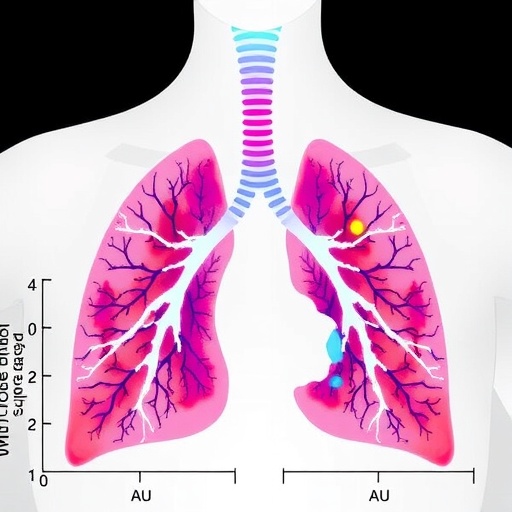
Recent advancements in oncological therapies have revealed significant implications for the management of stage IV non-small cell lung carcinoma (NSCLC) patients, particularly those with bone metastases. A groundbreaking study conducted by Beyon et al. delves into the effectiveness of immunotherapy in conjunction with radiotherapy, a combination that may redefine treatment protocols in advanced cancer care. With a focus on this particular patient demographic, the research presenters argue that both therapeutic approaches can be integrated to improve clinical outcomes.
The study provides insights into how the immune system can be harnessed to combat cancer cells more effectively when combined with localized radiation treatment. Immunotherapy has gained traction in recent years, primarily due to its ability to reinvigorate the body’s immune response against malignant cells. The synergistic potential of this approach has raised questions about the optimal timing and sequencing of therapies, especially in cases where metastasis has occurred, stressing the need for further investigation.
In their research, the authors highlight the fundamental differences between traditional treatments and immunotherapy. While chemotherapy and radiotherapy target rapidly dividing cells indiscriminately, immunotherapy specifically targets cancer cells while sparing normal cells. This targeted approach reduces the common side effects associated with conventional cancer treatments, such as nausea, hair loss, and fatigue. By focusing on the immune system, the study suggests a transformative shift that could enhance patient quality of life and survival rates.
The implications of this combination therapy are profound, particularly for patients with bone metastases, who are often left with limited treatment options as malignancies progress. Bone metastasis signifies advanced disease and correlates with increased morbidity. The study illustrates that the integration of immunotherapeutic agents can stabilize or even shrink metastatic lesions, potentially leading to better pain management and mobility for affected patients. Improved outcomes from this combined strategy could fundamentally alter the treatment landscape for stage IV NSCLC.
Throughout their investigation, Beyon et al. analyzed a variety of factors influencing treatment response, including the type of immunotherapy employed, the duration of each therapy, and patient-specific variables such as overall health and previous treatment history. This multifactorial analyses reveal that personalized treatment plans could be critical in maximizing the benefits of immunotherapy and radiotherapy concomitantly. The researchers encourage oncologists to adopt a more individualized approach based on the comprehensive profiles of their patients.
The timing of treatment administration is yet another critical element revealed in this study. The research sets forth a novel protocol that would allow for strategic scheduling of immunotherapy cycles in coordination with radiotherapy sessions. This scheduling is intended to exploit the time-dependent effects of radiotherapy, which can enhance immune signaling and subsequently improve the efficacy of immunotherapeutic agents. As such, the study opens a dialogue on the importance of treatment timing in oncology.
Importantly, the researchers underscore that any new treatment protocols must be substantiated by robust clinical trials before widespread adoption. Despite promising interim results, rigorous testing is vital to confirm the safety and efficacy of combining immunotherapy and radiotherapy in this patient population. The authors call for more research to further delineate the optimal regimens, doses, and patient selection criteria that will lead to the best clinical outcomes.
The study also discusses the potential biomarkers that could predict patient response to immunotherapy when combined with radiotherapy. Identifying these biomarkers may help clinicians discern which patients are most likely to benefit from this novel treatment strategy. By targeting individuals who exhibit a favorable biomarker profile, oncologists could further streamline therapeutic regimens, ultimately improving both efficacy and safety.
As the momentum builds for this new combinatorial approach, the global research community continues to focus on enhancing the overall understanding of cancer immunology. Drawing from the findings of Beyon et al., researchers and clinicians alike are invigorated by the prospect of refining therapeutic strategies that could offer hope to previously challenging cases of advanced lung cancer and serve as a model for other malignancies.
Understanding the evolution of cancer treatment necessitates a shift in clinical practice towards a more integrative model, wherein multidisciplinary teams include experts in immunology, radiology, and medical oncology. Beyon et al. argue that collaborative care is essential to ensure that treatment paradigms can evolve and adapt to new findings, ultimately leading to personalized, patient-centered care.
The findings underscore a significant paradigm shift in the way we approach cancer care, particularly for advanced cases involving bone metastasis. This innovative combination of immunotherapy and radiotherapy stands as a testament to the ongoing evolution of cancer treatments. As the field progresses, it is imperative that both practitioners and patients embrace novel therapies that challenge traditional pathways.
In conclusion, the research outlined by Beyon et al. represents a pivotal moment in the fight against stage IV NSCLC. As we move towards more personalized and effective treatment paradigms, the integration of immunotherapy with radiotherapy could potentially enhance survival rates and improve patient outcomes in ways previously unimagined. The work emphasizes the need for continued research and clinical trials to confirm these early findings, ensuring that future generations can benefit from the advancements in cancer therapy.
Beyon, J., Collins, J.E., Welch, C.A. et al. Immunotherapy with and without radiotherapy following the diagnosis of bone metastasis for stage IV non-small cell carcinoma.
J Cancer Res Clin Oncol 151, 309 (2025). https://doi.org/10.1007/s00432-025-06303-w
Cite Scienmag News
Nathaniel Bowman. (October 30, 2025). Immunotherapy Plus Radiotherapy in Advanced Lung Cancer. Scienmag. https://scienmag.com/immunotherapy-plus-radiotherapy-in-advanced-lung-cancer/
Nathaniel Bowman. "Immunotherapy Plus Radiotherapy in Advanced Lung Cancer." Scienmag, 30 October 2025, https://scienmag.com/immunotherapy-plus-radiotherapy-in-advanced-lung-cancer/. Accessed 3 September 2026.
Nathaniel Bowman. "Immunotherapy Plus Radiotherapy in Advanced Lung Cancer." Scienmag. October 30, 2025. https://scienmag.com/immunotherapy-plus-radiotherapy-in-advanced-lung-cancer/


