


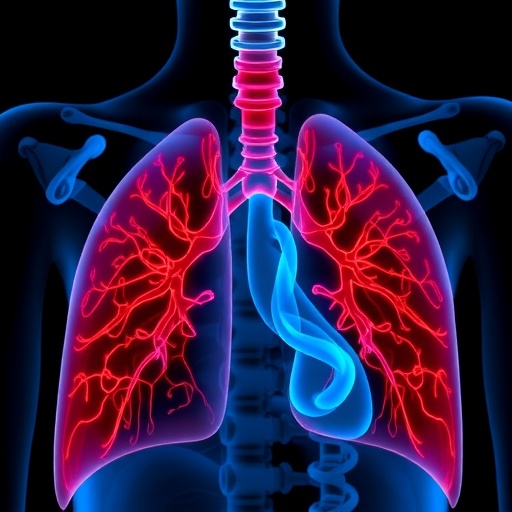
In the realm of neonatal medicine, bronchopulmonary dysplasia (BPD) persists as a formidable challenge, particularly among preterm infants reliant on oxygen therapy for survival. This chronic lung disease, characterized by disrupted alveolar development and vascular injury, continues to elude comprehensive understanding despite decades of study. At the heart of BPD’s pathology lies the paradox of oxygen supplementation: an essential, life-saving intervention that simultaneously contributes to pulmonary vascular damage through hyperoxia. A groundbreaking systematic review published in Pediatric Research in June 2026 by Cai, Yang, Zhang, and colleagues meticulously unpacks the complex interplay between hyperoxia and pulmonary vascular injury in the evolution of BPD, while spotlighting innovative therapeutic avenues that may redefine future care strategies.
Oxygen therapy remains a cornerstone in managing respiratory distress in preterm infants, a population whose underdeveloped lungs cannot efficiently exchange gases. However, hyperoxia — the condition of excess oxygen in tissues and organs — has long been recognized as a contributor to oxidative stress and inflammation, pivotal factors in lung injury. The review rigorously synthesizes current molecular insights, revealing how hyperoxia induces endothelial dysfunction in the delicate pulmonary vasculature, leading to aberrant vascular remodeling and impaired angiogenesis. These vascular perturbations not only exacerbate alveolar simplification but also set the stage for compromised pulmonary hypertension, a common secondary complication in BPD patients.
The pathogenic mechanisms delineated in this review underscore the multifactorial nature of hyperoxia-induced injury. Reactive oxygen species (ROS) generation emerges as a central driver, instigating a cascade of cellular damage within endothelial cells and alveolar epithelium. The oxidative insult disrupts critical signaling pathways, including those mediated by vascular endothelial growth factor (VEGF) and nitric oxide (NO), both integral to maintaining vascular integrity and promoting angiogenesis. Crucially, the review details how hyperoxia suppresses VEGF expression, hindering normal capillary formation and leading to an environment prone to fibrosis and tissue remodeling rather than repair.
Beyond these molecular cascades, the review highlights the role of inflammatory mediators activated by hyperoxic injury. Pro-inflammatory cytokines and chemokines, attracted to the site of vascular damage, perpetuate a vicious cycle of inflammation and tissue destruction. This inflammatory milieu, when sustained chronically, further compromises pulmonary vascular architecture and function, accelerating BPD progression. The synergy between oxidative stress and inflammation thus forms a pathological nexus that magnifies pulmonary complications beyond initial oxygen toxicity.
Impressively, the review doesn’t stop at pathophysiological characterization. It offers a panoramic view of emerging therapeutic interventions aimed at mitigating hyperoxia-induced vascular injury. One promising approach centers on antioxidant therapies designed to neutralize excessive ROS and restore redox balance. Several preclinical studies referenced suggest that supplementation with agents such as N-acetylcysteine and superoxide dismutase mimetics shows potential in preserving endothelial function and attenuating lung damage. These antioxidants may intervene early in the injury cascade and modulate disease trajectory when applied judiciously in clinical settings.
Moreover, the authors explore strategies targeting the restoration of impaired angiogenic signaling. Experimental therapies designed to boost VEGF activity or enhance nitric oxide bioavailability are gaining traction. Pharmacologic agents that can upregulate endogenous protective pathways, including the activation of hypoxia-inducible factors (HIFs), show encouraging results in animal models by promoting healthy vascular growth and mitigating fibrosis. These findings suggest a paradigm shift where therapies might not only prevent injury but actively facilitate lung repair and regeneration.
Gene therapy and stem cell-based approaches also feature prominently in this comprehensive review. Mesenchymal stem cells (MSCs), renowned for their immunomodulatory and reparative properties, have demonstrated the capacity to ameliorate hyperoxia-induced damage in experimental BPD models. The authors carefully analyze the current landscape of clinical trials involving MSCs, discussing varying degrees of success and the challenges inherent in translating cell-based therapies into routine neonatal care. Nevertheless, these cutting-edge interventions hold transformative potential by fundamentally altering the lung microenvironment and promoting structural normalization.
The review further delves into the challenges of clinical translation, emphasizing the delicate balance required in oxygen titration protocols to minimize harm while fulfilling therapeutic needs. The need for individualized oxygen delivery strategies tailored to the infant’s developmental stage and lung maturity is underscored, advocating a precision medicine approach. Additionally, the authors call attention to the dearth of reliable biomarkers that could guide risk stratification and therapeutic monitoring — a gap that, if addressed, could revolutionize the management of BPD in the future.
In illuminating the mechanisms through which hyperoxia leads to pulmonary vascular injury, this review also places BPD within the broader context of chronic lung diseases. Similar oxidative and inflammatory processes implicated in adult pulmonary hypertension and chronic obstructive pulmonary disease (COPD) reveal potential for cross-disciplinary insights and shared therapeutic targets. Such perspectives broaden the horizon of neonatal lung research and foster collaborative innovation across disciplines.
The authors conclude with a prescient call for integrated, multidisciplinary research that bridges basic science, translational studies, and clinical trials. They argue convincingly that unraveling the complex signaling networks impacted by hyperoxia and validating targeted interventions require concerted efforts across molecular biology, pharmacology, and neonatology. This holistic approach promises to uncover not only new treatments but also preventions that could ultimately reduce the global burden of BPD and improve long-term respiratory outcomes for survivors of preterm birth.
Notably, this review also highlights the importance of recognizing the heterogeneity within BPD phenotypes, acknowledging that not all infants respond identically to oxygen exposure or interventions. Future research must dissect these phenotypic differences to ensure therapeutic strategies are appropriately personalized. This nuanced understanding will help circumvent one-size-fits-all approaches that have historically limited progress in this area.
In sum, Cai and colleagues have crafted a comprehensive and forward-looking synthesis that redefines how we perceive hyperoxia’s role in neonatal lung injury. By integrating mechanistic insights with emerging therapeutics, their work delineates a roadmap toward mitigating one of the most pervasive complications in neonatology. While challenges remain, this review energizes the scientific community with optimism that targeted strategies can dash the long-standing paradox of oxygen therapy, ultimately sparing vulnerable infants from the devastating sequelae of bronchopulmonary dysplasia.
This landmark article thus sets a new benchmark in understanding and addressing the pulmonary vascular injury that underpins BPD. It underscores the urgency and potential of harnessing molecular science and innovative treatments to rewrite the prognosis of preterm infants who rely on oxygen for survival but face consequential risks. As the neonatal field marches forward, such integrative and translational insights are crucial to transform hope into healing.
Cite Scienmag News
Denise Maddox. (June 8, 2026). Hyperoxia, Lung Injury, and New Bronchopulmonary Dysplasia Treatments. Scienmag. https://scienmag.com/hyperoxia-lung-injury-and-new-bronchopulmonary-dysplasia-treatments/
Denise Maddox. "Hyperoxia, Lung Injury, and New Bronchopulmonary Dysplasia Treatments." Scienmag, 8 June 2026, https://scienmag.com/hyperoxia-lung-injury-and-new-bronchopulmonary-dysplasia-treatments/. Accessed 5 September 2026.
Denise Maddox. "Hyperoxia, Lung Injury, and New Bronchopulmonary Dysplasia Treatments." Scienmag. June 8, 2026. https://scienmag.com/hyperoxia-lung-injury-and-new-bronchopulmonary-dysplasia-treatments/


