


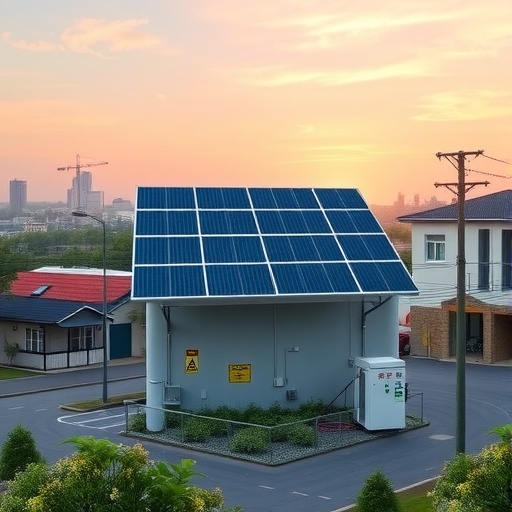
In the pursuit of sustainable urban electrification, a groundbreaking study by Das, Mohapatra, and Mishra has shed light on the synergistic potential of integrating solar photovoltaic (PV) systems with biogas power generation. The study, anchored in a sustainable thermo-exergetic framework, utilizes advanced forest machine learning techniques to analyze the effectiveness of this hybrid energy solution. As cities around the globe grapple with the pressing challenges of energy demand, efficient resource management, and environmental sustainability, the findings from this research bear significant implications for smart city developments.
The study articulates a vision for smart cities that incorporates renewable energy sources, highlighting the inherent limitations of relying on traditional power generation methods. As urban areas expand, so too does their appetite for energy, generating a need for innovative solutions that are both efficient and environmentally responsible. The researchers demonstrate that the hybrid PV-biogas system holds promise not only in terms of energy output but also in minimizing the ecological footprint associated with urban electrification.
In an era where climate change poses an existential threat, the exploration of hybrid energy systems becomes paramount. The integration of photovoltaic technology with biogas production offers a dual benefit: harnessing solar energy while simultaneously converting organic waste into usable power. This approach capitalizes on the natural synergy between two renewable resources—solar energy and anaerobic digestion—creating a robust solution capable of meeting the energy demands of densely populated urban centers.
The research employs a detailed thermo-exergetic analysis to evaluate the performance of the hybrid system. By closely examining energy quality and quantity, the study provides a framework for understanding how such systems can be optimized for maximum efficiency. This methodology offers insights into energy transformations and the preservation of resources, illustrating how different energy pathways can coexist harmoniously within a smart city infrastructure.
Machine learning arises as a pivotal component of the analysis, with forest machine learning techniques deployed to assess various performance parameters of the hybrid system. This innovative application of artificial intelligence empowers researchers to sift through complex datasets and identify patterns that might otherwise remain obscured. By leveraging such technologies, the researchers ensure that their findings are data-driven, providing an evidence-based foundation upon which to advocate for the widespread adoption of hybrid renewable energy systems.
What makes the PV-biogas hybrid system particularly appealing is its adaptive nature. The authors emphasize that these systems can be tailored to suit the specific energy needs and waste generation profiles of individual cities. This customization potential enhances the feasibility of implementation, particularly in regions where agricultural or organic waste is abundant. Furthermore, the ability to integrate local resources ensures that the system remains resilient and responsive to the dynamics of urban living.
Additionally, the environmental analysis conducted within the study evaluates the lifecycle impacts of the hybrid system, from energy generation to waste management. This holistic perspective reflects a growing recognition of the interconnectedness of energy systems and ecological health. By reducing greenhouse gas emissions and promoting sustainable waste management practices, the PV-biogas system exemplifies a circular economy approach, alternative that conventional energy infrastructures often fail to achieve.
Urban planners and policymakers are urged to consider the implications of this research as they explore pathways towards sustainability. The study serves not only as a scientific contribution but also as a strategic guide for decision-makers tasked with the electrification of smart cities. With the global focus increasingly shifting towards renewable energy, the insights gleaned from this study may very well assist in steering urban development towards a more sustainable and energy-efficient future.
The findings of this study compel a reevaluation of how cities approach energy production, emphasizing the necessity for integrated solutions that harness the benefits of multiple renewable energy sources. The dual application of both solar and biogas technologies points to a future where urban centers can thrive without depleting natural resources or exacerbating environmental degradation.
As the world transitions to cleaner energy systems, the collaborative research of Das and colleagues underscores the importance of innovation in addressing energy supply challenges. By elucidating the advantages of hybrid systems, they pave the way for greater investment in renewable energy research and development, ensuring that future cities can thrive sustainably.
In conclusion, the study conducted by Das, Mohapatra, and Mishra represents a significant advancement in our understanding of urban energy systems. The interplay between photovoltaic and biogas technologies highlights rich possibilities for enhancing energy efficiency while minimizing environmental impacts. As the research garners attention within scientific communities and industry circles alike, it serves as a catalyst for change in the pursuit of electrifying smart cities sustainably.
The research stands as a pivotal contribution to both the academic and practical domains of sustainable energy. It addresses one of the most pressing challenges of our time, painting a vivid picture of a future where energy production is synonymous with ecological sustainability. As urban areas continue to evolve, this innovative approach will undoubtedly shape the energy landscape of the smart cities of tomorrow.
The implications of this research extend far beyond theoretical discourse; they resonate with the lived experiences of city dwellers who seek reliable, clean energy solutions. By harnessing the power of nature and technology in tandem, the study illustrates a forward-thinking pathway that urban areas can adopt to ensure a thriving environment for generations to come.
Ultimately, the work of Das, Mohapatra, and Mishra transcends mere research findings. It embodies a call to action for cities worldwide, urging them to embrace the potential of hybrid energy systems in their journey towards sustainable electrification and environmental stewardship.
Cite Scienmag News
Violet Maxwell. (November 26, 2025). Hybrid PV-Biogas System Fuels Smart City Electrification. Scienmag. https://scienmag.com/hybrid-pv-biogas-system-fuels-smart-city-electrification/
Violet Maxwell. "Hybrid PV-Biogas System Fuels Smart City Electrification." Scienmag, 26 November 2025, https://scienmag.com/hybrid-pv-biogas-system-fuels-smart-city-electrification/. Accessed 3 September 2026.
Violet Maxwell. "Hybrid PV-Biogas System Fuels Smart City Electrification." Scienmag. November 26, 2025. https://scienmag.com/hybrid-pv-biogas-system-fuels-smart-city-electrification/


