


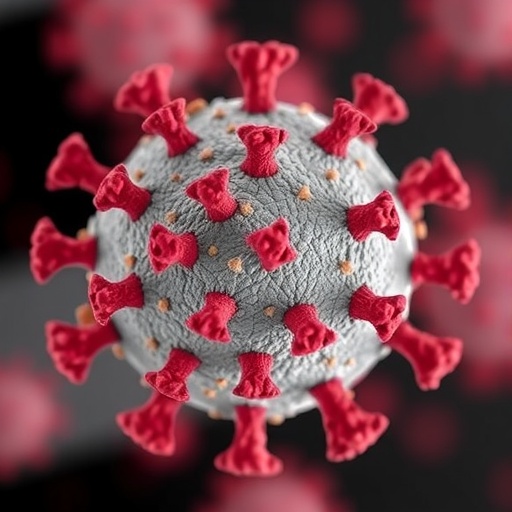
A groundbreaking study has emerged from the realm of gene therapy that focuses on the potential implications of genetic mutations within replication-defective vectors derived from the herpes simplex virus type 1 (HSV-1). This innovative research, undertaken by prominent scientists including Cattaneo, Bettegazzi, and Ingusci, sheds light on the intricate mechanisms behind HSV-1 while also addressing safety concerns associated with the use of viral vectors in clinical setting.
Gene therapy continues to be at the forefront of biomedical research, offering the promise of curing previously untreatable genetic disorders. The utilization of viral vectors, specifically those modified to be replication-defective, has revolutionized the delivery system for therapeutic genes. These vectors enable the introduction of therapeutic genetic material into human cells without the risk of the virus propagating within the host.
However, understanding the implications of genetic mutations in such vectors is paramount for ensuring their safety. The research undertaken by this team investigates how specific mutations might influence the viral behavior and efficiency of gene transfer. A greater comprehension of these alterations is critical as the translation of laboratory findings into human applications relies heavily on assurance of both efficacy and safety.
HSV-1, albeit known primarily for causing oral and genital herpes, is also used in gene therapy due to its ability to infect a broad range of cell types. Its natural affinity for neuronal tissue makes it an ideal candidate for targeting neurological conditions. The replication-defective version of HSV-1 is engineered to retain its ability to enter cells while being unable to replicate. This characteristic is vital as it mitigates the risks of unintended viral spread, which could exacerbate infections or lead to adverse clinical outcomes.
The study dives into specific genetic mutations within these replication-defective HSV-1 vectors. Scientists meticulously catalog the mutations that can arise during vector development and their potential impacts on the vectors’ stability, infectivity, and overall performance. It is essential to highlight that while some mutations might enhance vector efficiency, others could lead to unpredictable results or unintended consequences upon application in a therapeutic setting.
As the researchers explore the various mutations, they also discuss the existing frameworks for evaluating vector safety. Numerous studies have highlighted instances where unintended mutations were observed, sometimes leading to adverse effects in preclinical models. This research not only catalogues these mutations but also emphasizes the need for robust characterizations of viral vectors prior to their clinical use. This effort calls for a shift in current methodologies, advocating the implementation of enhanced safety assessments that incorporate genetic profiling as a standard practice.
Of particular interest is the potential for certain mutations to aid in evading host immune responses. The immune system plays a critical role in determining the success of gene therapy; thus, understanding how genetic modifications in HSV-1 can manipulate immunogenicity is a focal point of the study. The team posits that by elucidating these mechanisms, researchers can optimize vector designs that facilitate sustained gene expression while minimizing inflammatory responses.
The paper also outlines the ethical considerations amid such advancements in gene therapy. As the field evolves, the potential for genetically modified viral vectors raises questions regarding bioethics and the implications of altering viral genomes. Ensuring that gene therapy applications uphold rigorous ethical standards is crucial for public acceptance and trust in these novel medical interventions.
In terms of clinical applications, the findings from Cattaneo et al. could open new doors for gene therapies targeting conditions such as neurodegenerative diseases, hereditary disorders, and even certain cancers. Each of these ailments poses significant challenges that could be alleviated through tailored gene therapy approaches utilizing these modified HSV-1 vectors, provided the safety issues are thoroughly addressed.
Encouragingly, this research coincides with advancements in regulatory landscapes, wherein agencies are increasingly advocating for a transparent and comprehensive evaluation of gene therapies. With gene therapy set to play a more pivotal role in future healthcare, ensuring the safety of these innovative treatments is paramount. This study builds a vital foundation that could ultimately empower the translation of lab bench discoveries into clinical realities.
As we look towards the future of gene therapy, the implications of genetic mutations in HSV-1 replication-defective vectors are manifold. This study serves as a clarion call to the scientific community, emphasizing the necessity for ongoing research and vigilance in monitoring viral vector safety, an essential component in the grand pursuit of advancing gene therapy towards successful human applications.
The profound impact projected through the continuous exploration of genetic mutations in HSV-1 vectors transcends mere theoretical underpinnings, propelling us closer to establishing safe and effective gene therapies. The journey ahead is undoubtedly complex; yet, the potential rewards in combating some of humanity’s most pressing health challenges render the undertaking more than worthwhile. The confluence of perseverance, ingenuity, and scientific rigor will be crucial in harnessing the potential of these vectors for therapeutic purposes, fostering a new era of personalized medicine.
While the therapeutic horizon broadens, the vigilance required to navigate the intricacies of gene therapy will remain critically important. The revelations from this significant research pave the way for a more thorough understanding of the role of HSV-1 vectors, preparing the foundation upon which future therapies can flourish, ultimately signaling hope for patients in dire need of new treatment options.
Cite Scienmag News
Juliet Wilcox. (November 14, 2025). HSV-1 Mutations: Safety Concerns for Gene Therapy. Scienmag. https://scienmag.com/hsv-1-mutations-safety-concerns-for-gene-therapy/
Juliet Wilcox. "HSV-1 Mutations: Safety Concerns for Gene Therapy." Scienmag, 14 November 2025, https://scienmag.com/hsv-1-mutations-safety-concerns-for-gene-therapy/. Accessed 6 September 2026.
Juliet Wilcox. "HSV-1 Mutations: Safety Concerns for Gene Therapy." Scienmag. November 14, 2025. https://scienmag.com/hsv-1-mutations-safety-concerns-for-gene-therapy/


