


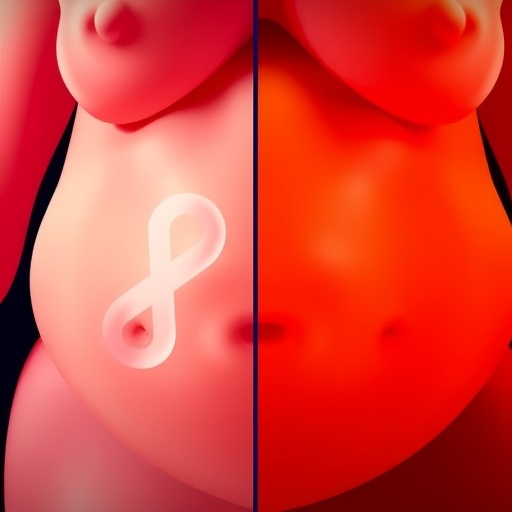
Emerging research has shed light on the intricate relationship between obesity and cancer progression, revealing how the microenvironment plays a pivotal role in exacerbating the effects of excess body weight on tumor growth and development. A recent study brings forth compelling evidence indicating that the interactions between adipose tissue and tumor cells are not merely incidental but rather essential determinants in the complex landscape of cancer biology. This revelation opens new avenues for therapeutic interventions aimed at combating cancer, particularly in individuals with obesity.
One of the most striking findings of the research is the identification of specific signaling pathways that are activated within the adipose tissue during obesity. These pathways create an environment that promotes cancer cell proliferation and survival. Specifically, the altered secretion of adipokines—bioactive substances released from adipose tissue—can significantly influence the tumor microenvironment. For instance, high levels of pro-inflammatory cytokines can induce a state of chronic inflammation that is known to foster tumorigenesis. This inflammation not only aids in the transformation of normal cells into cancerous ones but also assists in the progression of existing tumors.
Furthermore, the accumulation of visceral fat, particularly in the abdominal area, poses additional risks. The visceral fat depots are metabolically active and release fatty acids, hormones, and various inflammatory mediators into the systemic circulation. These substances can alter the function of distant tissues and organs, creating a systemic environment that is conducive to cancer progression. The interplay between visceral adipose tissue and cancer cells is complex, with both entities influencing each other’s behavior in ways that are just beginning to be understood.
The latest study also explores the role of hypoxia within the tumor microenvironment. Adipose tissue can undergo significant metabolic changes in the context of obesity, leading to localized hypoxic conditions that are detrimental to healthy cell functions. Cancer cells, however, exhibit remarkable adaptability to low-oxygen conditions, using alternative metabolic pathways to sustain their growth. This hypoxic state also enhances the aggressiveness of tumors by promoting epithelial-to-mesenchymal transition (EMT), a process that enables cancer cells to invade surrounding tissues more effectively.
In addition to metabolic changes, the presence of immune cells within adipose tissue also warrants attention. Obesity is associated with an altered immune profile, often characterized by increased infiltration of macrophages and other immune cells. These immune cells contribute to a pro-inflammatory environment that supports tumor progression. Notably, the interaction between cancer cells and immune cells in adipose tissue can lead to immunosuppression, allowing tumors to escape immune surveillance and thrive in hostile conditions.
The discovery of therapeutic targets arising from these microenvironmental interactions offers hope for innovative cancer treatments. For instance, targeting specific adipokines or inflammatory pathways may help to alter the tumor microenvironment in a way that stifles cancer growth. Current strategies under investigation include the use of anti-inflammatory agents and metabolic modulators aimed at normalizing the metabolic dysregulation associated with obesity. By doing so, it may be possible to not only slow tumor progression but also enhance the efficacy of existing cancer therapies.
The implications of these findings extend beyond the clinical realm, urging a broader public health conversation about obesity as a significant risk factor for cancer. Preventative measures that focus on maintaining a healthy weight may have an additional benefit of reducing cancer risk and improving outcomes for those already diagnosed. As our understanding deepens, proactive initiatives could emerge that emphasize lifestyle changes, dietary modifications, and increased physical activity as vital components in the fight against cancer.
Consideration of the socio-economic factors that contribute to obesity is also crucial in forming effective interventions. Disparities in access to healthy foods, recreational spaces, and healthcare resources can exacerbate obesity rates and, consequently, cancer risks. Addressing these systemic issues will be essential in reducing the incidence of obesity-related cancers and improving overall community health.
As ongoing research continues to unfold, interdisciplinary collaborations between oncologists, nutritionists, and public health experts will be pivotal in designing comprehensive strategies to tackle the obesity-cancer nexus. By integrating scientific insights with public health initiatives, there is potential for significant reductions in both the prevalence of obesity and its related cancer risks.
In summary, the intricate relationship between obesity, the tumor microenvironment, and cancer progression reveals a pathway for novel therapeutic strategies and public health initiatives. The microenvironment serves not only as a backdrop for tumor growth but also as an active participant in the progression of cancer during obesity. Subsequent research must continue to elucidate these complex interactions, paving the way for targeted therapies that address the unique challenges posed by the obesity epidemic in the context of cancer.
These insights underscore the urgency of addressing obesity as a major public health concern while highlighting the need for thorough understanding of its mechanisms in relation to cancer biology. In the coming years, as more studies emerge, the focus will likely broaden, incorporating the potential for integrative approaches that leverage advances in precision medicine against obesity-related cancer. The synthesis of these fields will not only aid in developing new treatments but also promote educational efforts aimed at creating healthier communities for future generations.
As we stand at this intersection of knowledge and emerging therapeutic strategies, the call to action remains clear: our fight against cancer cannot be divorced from our endeavor to combat obesity. With sustained efforts in research, public health policy, and community engagement, there exists a profound opportunity to make significant strides in reducing the burdens imposed by both cancer and obesity.
Salemi, R., Sergi, V., Basile, M.S. et al. Microenvironmental determinants of cancer progression during obesity: emerging evidence and novel perspectives.
J Transl Med 23, 995 (2025). https://doi.org/10.1186/s12967-025-06970-w
Cite Scienmag News
Nathaniel Bowman. (September 26, 2025). How Obesity Shapes Cancer Progression: New Insights. Scienmag. https://scienmag.com/how-obesity-shapes-cancer-progression-new-insights/
Nathaniel Bowman. "How Obesity Shapes Cancer Progression: New Insights." Scienmag, 26 September 2025, https://scienmag.com/how-obesity-shapes-cancer-progression-new-insights/. Accessed 6 September 2026.
Nathaniel Bowman. "How Obesity Shapes Cancer Progression: New Insights." Scienmag. September 26, 2025. https://scienmag.com/how-obesity-shapes-cancer-progression-new-insights/


