


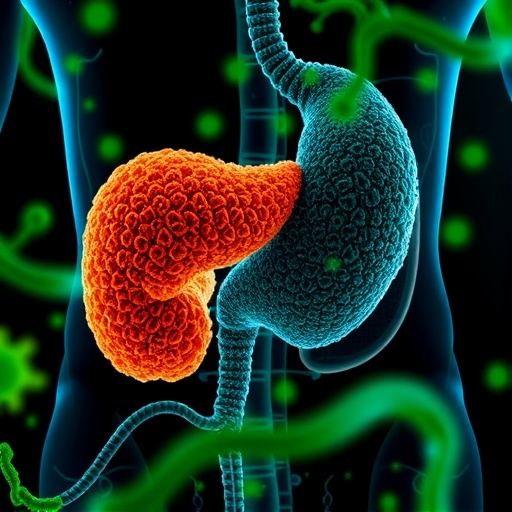
A groundbreaking study has recently emerged, spotlighting the significant role that gut microbiota play in reshaping the immune microenvironment within pancreatic cancer. This research provides compelling evidence suggesting that the unique composition of gut bacteria could create new pathways for immunotherapy in this notoriously challenging type of cancer. The potential implications of this discovery extend far beyond the laboratory, as it may pave the way for novel therapeutic strategies aimed at harnessing the immune system to more effectively target and eliminate pancreatic cancer cells.
Pancreatic cancer stands as one of the deadliest malignancies, characterized by late-stage diagnosis and a remarkably low survival rate. Current treatment modalities, including chemotherapy and radiation, often fall short in achieving durable responses. As such, the oncology community has been on the lookout for innovative approaches that can bolster the immune response against this formidable adversary. The emerging connection between the gut microbiota and immune regulation has garnered significant attention as a promising avenue for exploration.
The study conducted by Zheng et al. emphasizes the intricate interplay between the gut microbiome and the immune system, particularly in the context of pancreatic cancer. Researchers discovered that certain microbial profiles are associated with improved immune responses, potentially enhancing the efficacy of immunotherapeutic strategies. By analyzing the gut microbiota of patients with varying responses to treatment, the researchers identified specific bacteria that seem to play a pivotal role in modulating the tumor microenvironment.
One of the key findings of this research was the identification of microbial signatures that correlate with the activation of immune cells known as T cells, which are crucial for orchestrating anti-tumor immunity. The presence of specific bacterial species was found to be linked with a favorable immune landscape, characterized by increased infiltration of cytotoxic T lymphocytes within pancreatic tumors. This insight suggests that manipulating gut microbiota could serve as a novel strategy to boost anti-tumor immunity, offering new hope for patients battling this aggressive disease.
Furthermore, the study highlights the potential for combining gut microbiota modulation with existing immunotherapeutic agents, such as immune checkpoint inhibitors. These treatments work by releasing the brakes on the immune system, allowing it to recognize and attack cancer cells more effectively. By integrating microbiome-based interventions, it may be possible to enhance the overall treatment response, particularly in patients who initially exhibit resistance to conventional immunotherapies.
In a world where cancer research is increasingly personalized, the implications of these findings could lead to the development of tailored interventions that consider an individual’s unique microbiome profile. This personalized approach could not only improve outcomes but also minimize adverse effects associated with standard therapies. The hope is that by understanding the specific interactions between gut bacteria and immune cells, clinicians can devise more effective, individualized treatment plans.
Moreover, the researchers delve into the mechanistic underpinnings of this relationship, exploring how gut-derived metabolites influence immune cell activity. Metabolites produced by gut bacteria can modulate systemic inflammation and immune responses, providing insights into the biochemical pathways that could be targeted for therapeutic benefit. This offers a novel perspective on the role of the microbiome in cancer biology, suggesting that these microscopic organisms might hold the key to unlocking new treatment paradigms.
This research underscores the urgent need for further investigation into the microbiome-cancer axis, particularly in the realm of pancreatic cancer. As clinical trials begin to emerge incorporating microbiome-modulating interventions, the scientific community is eager to see how these insights translate into tangible benefits for patients. This journey from basic science to clinical application represents an exciting frontier in cancer research, as the promise of microbiome-based therapies begins to crystallize.
Despite the optimism surrounding these findings, challenges remain in translating this knowledge into clinical practice. The complexity of the microbiome and its interactions with environmental factors and host genetics necessitates a cautious approach. Future studies will need to address the variability of microbiome compositions across different populations and the implications of dietary and lifestyle factors on gut health.
In conclusion, the work by Zheng and colleagues opens up a plethora of possibilities for enhancing pancreatic cancer treatment through microbiome research. By bridging the gap between nutrition, immunology, and oncology, this study stands as a testament to the transformative potential of understanding our body’s microbiota. As we gain deeper insights into this intricate relationship, the potential for groundbreaking therapies grows, driven by the hope of turning the tide against one of cancer’s most formidable foes. The convergence of microbiome science and cancer immunotherapy could redefine treatment strategies and improve outcomes for countless patients in the future.
As the research landscape continues to evolve, staying attuned to the developments in this domain will be crucial. The integration of gut microbiota research into cancer treatment paradigms represents a compelling narrative of scientific innovation and collaboration. As researchers forge ahead in this promising field, the ultimate goal remains the same: to enhance patient survival and quality of life in the face of pancreatic cancer’s relentless challenge.
Zheng, SH., Li, KZ., Feng, G. et al. Gut microbiota reshaping the pancreatic cancer immune microenvironment: new avenues for immunotherapy.
Mol Cancer 24, 313 (2025). https://doi.org/10.1186/s12943-025-02513-5
Cite Scienmag News
Nathaniel Bowman. (January 19, 2026). How Gut Microbiota Influences Pancreatic Cancer Immunotherapy. Scienmag. https://scienmag.com/how-gut-microbiota-influences-pancreatic-cancer-immunotherapy/
Nathaniel Bowman. "How Gut Microbiota Influences Pancreatic Cancer Immunotherapy." Scienmag, 19 January 2026, https://scienmag.com/how-gut-microbiota-influences-pancreatic-cancer-immunotherapy/. Accessed 4 September 2026.
Nathaniel Bowman. "How Gut Microbiota Influences Pancreatic Cancer Immunotherapy." Scienmag. January 19, 2026. https://scienmag.com/how-gut-microbiota-influences-pancreatic-cancer-immunotherapy/


