


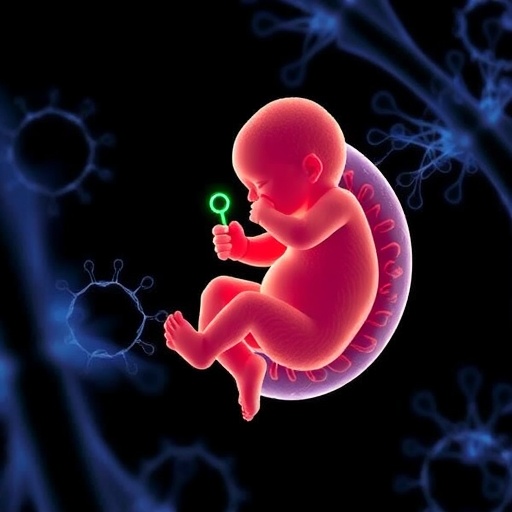
In recent years, groundbreaking research has profoundly altered our understanding of inheritance, moving beyond the classical view centered solely on DNA sequences. The emerging field of epigenetic inheritance reveals that biological traits can be transmitted across generations not just through genetic code but through chemical modifications that regulate gene expression. These epigenetic marks—manifested as DNA methylation, histone modifications, and non-coding RNAs—do not alter the genomic sequence itself but intricately influence how genes are turned on or off. Crucially, these modifications can respond dynamically to environmental factors such as stress, diet, and microbial exposure, thus introducing a new dimension to heredity that integrates nature with nurture.
While maternal epigenetic inheritance has been relatively well studied due to the direct physiological connection between mother and developing embryo, the paternal contribution to epigenetic inheritance has remained enigmatic until recently. Emerging evidence highlights that fathers are not merely passive carriers of DNA; their environmental exposures can impart molecular ‘signatures’ that impact embryonic development and the health trajectory of the offspring. However, the extent to which paternal environmental factors shape epigenetic landscapes in embryos, and the precise molecular mechanisms mediating this transmission, remain at the frontier of biological research.
At the European Molecular Biology Laboratory (EMBL) Rome, a dedicated research initiative has been launched to dissect the complex interplay between paternal environments, epigenetic inheritance, and embryonic development. Leveraging state-of-the-art genomic editing capabilities, coupled with meticulously designed environmental exposure models, researchers are delving into how alterations in paternal physiology translate into epigenetic remodeling within embryonic cells. Two prominent groups at EMBL—the Boskovic and Hackett laboratories—are at the forefront of this research, investigating distinct yet complementary aspects of paternal influences on next-generation health outcomes.
The Hackett group has pioneered studies elucidating how perturbations in the paternal gut microbiota can translate into altered disease susceptibility in progeny. By modulating the microbial ecosystem of male mice through targeted interventions, this team has demonstrated a causal link between paternal microbiome disruption and increased risk for disease in offspring, suggesting that microbial metabolites or immune factors may mediate epigenetic changes in sperm. This finding underscores the intricate connection between the paternal internal environment and hereditary communication beyond DNA.
In parallel, the Boskovic group has concentrated on paternal diet as a modulator of epigenetic programming during embryogenesis. Diet-induced epigenetic variation in sperm and its subsequent impact on embryo gene expression reveal a sensitive window in which environmental nutrients and metabolic states can instruct developmental trajectories. Understanding these mechanisms is particularly important given rising concerns about the intergenerational consequences of dietary imbalances in human populations.
In a landmark collaborative effort, these two groups recently published a comprehensive study in The EMBO Journal, systematically probing how distinct paternal environmental factors—namely, gut microbiota disruption via non-absorbable antibiotics and a low-protein, high-sugar diet—affect early embryonic gene expression. Employing in vitro fertilization (IVF) to tightly control genetic background and exclude maternal environmental confounders, they harvested and analyzed individual blastocysts approximately four days post-fertilization. This rigorous approach allowed for a high-resolution assessment of transcriptomic alterations attributable solely to paternal environmental histories.
The results were striking: offspring derived from males with disrupted gut microbiota exhibited a pronounced reduction in the expression of genes critical for the formation and function of extra-embryonic tissues, such as the placenta, which play a pivotal role in nutrient exchange and embryo-maternal communication. This finding implicates paternal microbiome health in the foundational stages of embryonic development and suggests pathways by which microbiota-derived signals can influence epigenetic regulation in the zygote.
Concurrently, the paternal dietary intervention induced a more subtle but measurable retardation in embryonic developmental progression, with gene expression patterns indicative of delays in key developmental milestones. These data point to the sensitivity of early embryonic cells to paternal metabolic cues, potentially mediated through altered small RNA populations or chromatin remodeling in sperm. The multifaceted impact of diet underscores the complexity of paternal contributions to offspring phenotypes.
To explore the influence of genetic background on vulnerability to environmental epigenetic effects, the researchers replicated their experiments in an alternate mouse strain. Intriguingly, the embryonic gene expression responses differed markedly from the initial strain, highlighting that the genetic context modulates how environmental signals are interpreted and transmitted via epigenetic pathways. This observation has significant implications for understanding variability in epigenetic inheritance among populations and species.
Moreover, the study illuminated the role of paternal age as an additional variable influencing epigenetic inheritance. Embryos derived from older fathers displayed amplified changes in genes related to immune function, suggesting that advanced paternal age exacerbates environmentally induced epigenetic alterations. This finding aligns with epidemiological data linking paternal age with increased risks for certain diseases in offspring and reinforces the need to consider age as a critical factor in reproductive epigenetics.
Ana Boskovic remarked, “Our findings underscore the necessity of large-scale, meticulously controlled experiments to decipher how specific environmental factors shape epigenetic inheritance across diverse genetic backgrounds.” The study’s design and comprehensive data set establish a robust blueprint for future investigations aimed at unraveling the intricate mechanisms governing the paternal transmission of environmentally induced epigenetic modifications.
Jamie Hackett added, “These insights into paternal epigenetic inheritance represent a significant advance in understanding how early life exposures are encoded at the molecular level. Our next steps involve leveraging cutting-edge molecular tools to identify precise epigenetic marks within sperm and early embryos, with the ultimate goal of informing novel strategies for disease prevention through paternal health management.”
This project exemplifies the mission of the Human Ecosystems Transversal Theme at EMBL—an ambitious research initiative embedded within the EMBL Scientific Programme—focused on elucidating how environmental factors interplay with genetic and epigenetic regulators to influence human disease susceptibility. Unraveling the paternal epigenetic contribution enriches this endeavor, highlighting paternal health as a critical determinant in the long-term well-being of future generations.
As our grasp of epigenetic inheritance deepens, these pioneering studies propel science toward a paradigm where paternal lifestyle and environment are recognized as vital agents of intergenerational health. The ramifications extend beyond basic biology, informing public health policies and reproductive medicine by illustrating how paternal factors may be harnessed or mitigated to shape disease outcomes in descendants.
—
News Publication Date: 26-Sep-2025
Web References:
– EMBL dedicated research page on epigenetic inheritance: https://www.embl.org/news/embletc/issue-100/can-the-effects-of-the-environment-cross-generations/
– EMBL Gene Editing and Virus Facility: https://www.embl.org/groups/gene-editing-and-virus-facility/
– Hackett group research on paternal gut microbes: https://www.embl.org/news/science-technology/fathers-gut-microbes-affect-the-next-generation/
– Human Ecosystems Transversal Theme: https://www.embl.org/about/info/human-ecosystems/
– EMBL Scientific Programme: https://www.embl.org/about/programme/
References: DOI: 10.1038/s44318-025-00556-4
Cite Scienmag News
Juliet Wilcox. (September 30, 2025). How Fathers Influence Embryonic Development Through Molecular ‘Signatures’. Scienmag. https://scienmag.com/how-fathers-influence-embryonic-development-through-molecular-signatures/
Juliet Wilcox. "How Fathers Influence Embryonic Development Through Molecular ‘Signatures’." Scienmag, 30 September 2025, https://scienmag.com/how-fathers-influence-embryonic-development-through-molecular-signatures/. Accessed 3 September 2026.
Juliet Wilcox. "How Fathers Influence Embryonic Development Through Molecular ‘Signatures’." Scienmag. September 30, 2025. https://scienmag.com/how-fathers-influence-embryonic-development-through-molecular-signatures/


