


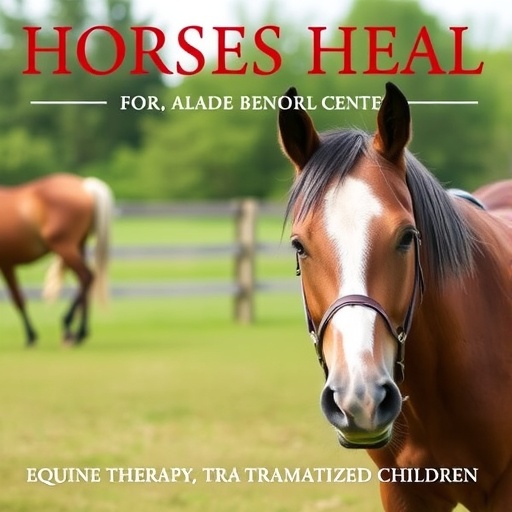
Recent research has explored the increasing intersection of mental health therapy and innovative approaches to learning, with a particular focus on Equine-Assisted Learning (EAL). This novel approach brings together animals, children, and caregivers, hoping to leverage the unique bond that can exist between horses and humans. The study published in the Journal of Child & Adolescent Trauma highlights the benefits of this form of therapy specifically designed for children who have experienced trauma. By involving both the children and their caregivers in a therapeutic setting with horses, researchers aim to create a multidimensional healing experience.
Equine-Assisted Learning is predicated on the idea that horses, due to their highly sensitive nature, can act as effective facilitators of emotional learning and regulation. The interactions between children and horses can evoke emotional responses and foster communication skills in a non-threatening manner. This is especially important for children dealing with trauma, as traditional therapy can sometimes feel inadequate or even intimidating. By shifting to a more experiential and relational learning format, EAL can cater to those who find verbal communication challenging, providing an alternative outlet for expression and understanding.
The mechanics of Equine-Assisted Learning involve structured activities wherein children engage with horses in supervised environments. Participants may be asked to perform tasks such as grooming, leading, or even utilizing the horse for specific therapeutic exercises. These activities help children develop trust, responsibility, and social skills, all within the context of caring for another living being. As they navigate these tasks, the children often begin to reflect on their feelings and experiences, leading to insights that might not surface during traditional therapy sessions.
Moreover, caregivers play a crucial role in this therapeutic process. The involvement of parents or guardians provides an opportunity for relational healing, enabling families to bond while learning together how to manage trauma’s effects. When caregivers participate alongside their children, they not only provide support but also experience their own growth in terms of understanding their child’s struggles. Studies have shown that parental involvement in therapies significantly increases positive outcomes for children, making EAL a promising option in this context.
The research conducted included a diverse range of participants, taking into account varying backgrounds, types of trauma, and levels of prior exposure to therapy. By adopting an inclusive approach, the authors have been able to showcase the widespread applicability of EAL. Results indicated that children who participated in the program reported enhanced emotional well-being, improved self-esteem, and reduced symptoms associated with trauma. These findings suggest that EAL may be an effective complement to more traditional forms of intervention, offering a healing path for those who could benefit from such a program.
In implementing these Equine-Assisted Learning programs, careful consideration is given to the welfare of the horses involved. Ethologically informed practices ensure that the horses are treated with respect and care, and their welfare is monitored throughout each session. This commitment to animal well-being further enhances the therapeutic environment, creating a safe space where both children and animals can thrive together. The mutual respect established between the children and the horses is paramount, cultivating an atmosphere of empathy and connection.
Furthermore, the methodology employed in assessing the impact of EAL included qualitative and quantitative measures, allowing for a holistic view of the therapeutic process. Researchers utilized pre- and post-therapy assessments to gauge emotional regulation, resilience, and anxiety levels among participating children. Coupled with observational studies during the sessions, this mixed-method approach lends credibility to the findings. Such comprehensive evaluation not only highlights the effectiveness of EAL but also paves the way for future research opportunities in the arena of animal-assisted therapies.
Equine-Assisted Learning also opens the door to considering how similar models might be applied to other contexts- for example, in schools or community programs. The adaptability of this approach could lead to interventions designed for older populations or specific groups such as veterans or individuals with disabilities. If such methods prove effective across different demographics, the potential for widespread implementation could lead to significant changes in how we approach therapeutic interventions in various sectors.
In conclusion, the study of Equine-Assisted Learning for children with trauma and their caregivers showcases a creative, compassionate, and effective response to a critical need in mental health treatment. As the landscape of therapy continues to evolve, it is essential to embrace multifaceted approaches that recognize the unique needs of individuals, particularly those who’ve endured trauma. The implications of this research reach beyond simple therapy; they offer insight into how relationships, trust, and learning can intertwine to foster healing.
Equine-Assisted Learning stands at the crossroads of innovation and tradition, inviting families to engage in a shared journey towards healing. By redefining how we understand emotional well-being and interpersonal relationships, it provides a hopeful perspective for those looking to mend the wounds of trauma. The nuances of relationships with horses not only serve as a gateway for emotional exploration but also emphasize the importance of community and shared experiences in recovery.
Ultimately, the implications of such studies extend beyond academic circles, touching the hearts of all who dream of better lives for children and families navigating the complexities of trauma. As practitioners, researchers, and communities come together to explore these methodologies, the benefits of Equine-Assisted Learning may resonate far and wide, fostering a culture of empathetic care in mental health practices.
In embracing this innovative approach, it becomes clear that healing is not a solitary journey but one best traveled collectively, with compassion, understanding, and the gentle guidance of a horse.
Hopson, L.M., McGraw, K., Traylor, A.C. et al. Equine-Assisted Learning for Children with Trauma and their Caregivers. Journ Child Adol Trauma (2025). https://doi.org/10.1007/s40653-025-00747-5
Cite Scienmag News
William Thompson. (October 18, 2025). Horses Heal: Equine Therapy for Traumatized Children. Scienmag. https://scienmag.com/horses-heal-equine-therapy-for-traumatized-children/
William Thompson. "Horses Heal: Equine Therapy for Traumatized Children." Scienmag, 18 October 2025, https://scienmag.com/horses-heal-equine-therapy-for-traumatized-children/. Accessed 6 September 2026.
William Thompson. "Horses Heal: Equine Therapy for Traumatized Children." Scienmag. October 18, 2025. https://scienmag.com/horses-heal-equine-therapy-for-traumatized-children/


