

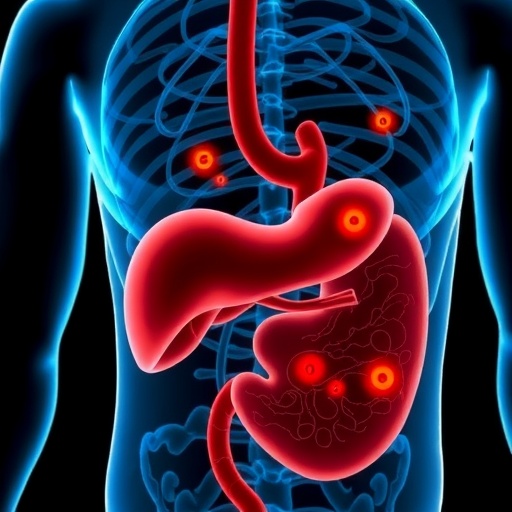
In a groundbreaking study published in the Journal of Translational Medicine, researchers led by Xiao et al. (2026) have unveiled a comprehensive framework for hepatic targeting in atherosclerotic cardiovascular disease (ASCVD). This influential work illustrates an innovative approach that not only addresses lipid-lowering strategies, but also integrates mechanisms of inflammation modulation to enhance therapeutic efficacy in cardiovascular health. The emergence of personalized medicine strategies, coupled with advanced technologies such as gene editing, sets the stage for a paradigm shift in how we conceptualize and treat cardiovascular diseases.
Cardiovascular disease remains a leading cause of morbidity and mortality worldwide. ASCVD, characterized by the buildup of atherosclerotic plaques within arterial walls, constitutes a major risk factor for heart attacks and strokes. Current standard treatments often focus on lowering cholesterol levels through statins. However, recent evidence suggests that inflammation plays a pivotal role in the progression of ASCVD. This intersection between lipid management and inflammatory responses has prompted researchers to explore innovative approaches beyond traditional pharmacological interventions.
The authors of the study illuminated the necessity of targeted therapies that directly address hepatic functions in lipid metabolism and inflammation processes. The liver is a crucial organ in managing lipid levels in the bloodstream, which makes it an ideal target for innovative therapies. By focusing on the liver, researchers can more effectively modulate lipid levels and inflammation simultaneously, potentially leading to more effective treatment outcomes for patients suffering from ASCVD.
One of the most exciting aspects of this research is the integration of modern gene editing technologies. The advent of tools like CRISPR-Cas9 has revolutionized how scientists can manipulate genetic material, providing unprecedented opportunities to explore liver-targeted therapies. The authors suggest that leveraging gene editing may enable precise alterations to specific genes involved in lipid metabolism and inflammatory pathways, offering the potential to correct dysregulated processes contributing to ASCVD.
Traditional lipid-lowering therapies, particularly statins, have been cornerstones in the pharmacological management of ASCVD. These agents are proven to decrease low-density lipoprotein (LDL) cholesterol levels, thereby reducing the risk of plaque formation. However, the research team posits that relying solely on statins may not suffice for long-term cardiovascular protection. A multifaceted approach that includes both lowering lipids and addressing inflammation is deemed necessary for optimal patient outcomes.
Inflammation is a fundamental component of the atherosclerotic process. It exacerbates endothelial dysfunction and promotes plaque instability leading to acute cardiovascular events. The authors elaborate on the relationship between lipid profiles and inflammatory markers, asserting that a dual-action approach targeting both parameters could substantially enhance cardiovascular health. This perspective challenges traditional paradigms of treating ASCVD by promoting a more holistic understanding of the disease.
Furthermore, the integration of lifestyle modifications alongside pharmaceutical interventions underscores the comprehensive nature of the proposed therapeutic approach. Lifestyle factors such as diet, physical activity, and weight management are critical in achieving favorable outcomes in ASCVD. The article highlights that a synergistic strategy incorporating lifestyle changes with advanced medical therapies could lead to transformative improvements in patient care.
The potential implications of this research extend beyond individual therapies; they hint at radical changes in clinical practice guidelines. If hepatic targeting combined with gene editing proves effective in clinical trials, it could redefine standard care for patients with ASCVD. Future research must focus on appropriate patient selection, as well as the practicalities of implementing such novel therapies in everyday practice.
Additionally, there exist ethical considerations and regulatory challenges surrounding the deployment of gene editing in humans. The authors underscore the importance of establishing comprehensive frameworks to ensure patient safety and ethical compliance when introducing such advanced modalities. Engaging stakeholders, including regulatory bodies, healthcare providers, and patients themselves, will be pivotal in navigating the complexities of these emerging technologies.
As researchers move towards clinical applications, the need for robust trials becomes vital. The authors advocate for phase I and II clinical trials assessing the safety and efficacy of liver-targeted therapies combined with gene editing. Positive outcomes may pave the way for expanded trials that could solidify these novel strategies as standard components in ASCVD management.
In closing, Xiao et al.’s work heralds a new era of targeted therapies in ASCVD. By bridging the gap between lipids and inflammation through innovative strategies, including gene editing, their research offers a tantalizing glimpse into the future of cardiovascular treatment. As science continues to unravel the complexities of cardiovascular diseases, the promise of more tailored, effective therapies is becoming increasingly tangible.
In conclusion, the integration of hepatic targeting, lipid management, and inflammation modulation represents a significant advancement in our approach to treating ASCVD. As we embrace these novel methodologies, the ultimate goal remains clear: to reduce the burden of cardiovascular disease and enhance the quality of life for millions of patients worldwide.
Subject of Research: Integration of hepatic targeting, lipid lowering, and inflammation modulation in atherosclerotic cardiovascular disease (ASCVD) treatment.
Article Title: Hepatic targeting in ASCVD: integrating lipid lowering and inflammation modulation from statins to gene editing.
Article References:
Xiao, Q., Wang, M., Wang, S. et al. Hepatic targeting in ASCVD: integrating lipid lowering and inflammation modulation from statins to gene editing. J Transl Med (2026). https://doi.org/10.1186/s12967-025-07647-0
Image Credits: AI Generated
DOI: 10.1186/s12967-025-07647-0
Keywords: ASCVD, hepatic targeting, lipid lowering, inflammation modulation, statins, gene editing, cardiovascular health.


