


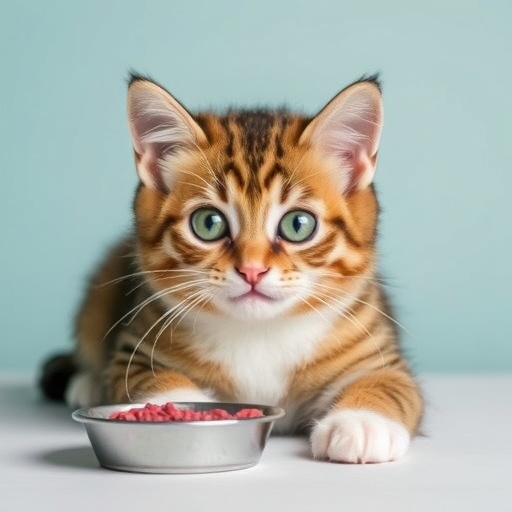
In a groundbreaking study conducted by researchers at Cornell University, alarming evidence has emerged regarding the microbial safety of commercial raw cat foods. These products, which have gained popularity among pet owners seeking natural diets for their feline companions, were found to harbor a range of disease-causing bacteria, some exhibiting resistance to antibiotics. This discovery raises significant health concerns not only for cats but also for their human families, especially vulnerable groups such as children, the elderly, pregnant women, and immunocompromised individuals.
The research, recently published in the prestigious journal Communications Biology, undertook a meticulous examination of a diverse selection of commercial cat foods marketed as raw or partially cooked. These included frozen, refrigerated, and freeze-dried formulations purchased from both physical retail outlets and online platforms. Through a combination of standard microbial culture techniques endorsed by the Food and Drug Administration (FDA) and innovative nonstandard methodologies, the team systematically identified the presence and diversity of microbial communities in these products.
A focal point of the investigation was the identification of prominent pathogenic bacteria known to cause severe infections in humans and animals alike. Salmonella species were detected in multiple raw diet samples, underscoring an ongoing public health risk. Importantly, genetic analyses revealed that certain Salmonella isolates from the cat food closely matched strains implicated in human salmonellosis cases, evidencing a plausible transmission pathway from contaminated pet food to people. This finding signifies a direct zoonotic threat, underscoring the urgency of addressing microbial contamination in pet nutrition.
Beyond Salmonella, the study uncovered the presence of Cronobacter and Escherichia coli (E. coli), both of which pose serious health risks. Cronobacter, often associated with infant food infections, has not been routinely monitored in pet foods, indicating a gap in regulatory oversight. The detection of antibiotic-resistant strains of Pseudomonas—bacteria capable of causing critical infections in the lungs, bloodstream, and urinary tract—further complicates the safety profile of these diets. The emergence of resistance mechanisms in pet food-borne microbes portends challenges in clinical treatment and calls for heightened scrutiny.
Another noteworthy discovery involved Klebsiella species, a genus commonly linked with fever, chills, and potential pneumonia or urinary infections. While not traditionally classified as a foodborne pathogen in pet foods, its presence in raw samples signifies an expanded microbial spectrum capable of adversely affecting both animal and human health. Additionally, Clostridium perfringens, an established cause of gastroenteritis linked to undercooked poultry products, was found in high abundance within freeze-dried cat treats and kibble coated products, suggesting risks extend beyond raw meats to dry formulations.
The investigation also highlighted a critical issue in consumer awareness. Many raw or freeze-dried cat food products lack explicit warning labels indicating that their meat components are not fully cooked, leaving purchasers unaware of potential exposure to viable pathogens, viruses, and parasites. This gap poses a hidden threat, particularly to households that may not employ stringent hygiene practices when handling these foods or interacting with pets after feeding.
Regulatory frameworks, primarily under the purview of the FDA, currently emphasize monitoring a limited repertoire of bacteria associated directly with human illness. However, findings from this comprehensive microbial profiling suggest that the scope of pathogens in raw cat foods is broader and more complex than previously recognized. These insights have significant implications for future policy development, risk assessment, and oversight mechanisms, advocating for more rigorous surveillance and expanded testing protocols encompassing a wider range of microbial threats.
Methodologically, the research team employed microbiome analysis techniques, characterizing the entire suite of microbial communities present in the food samples. This approach, coupled with conventional bacterial culturing, afforded a detailed landscape of microbial diversity and pathogenic potential. Such techniques exemplify the power of modern molecular biology and genomics in food safety research, enabling unprecedented resolution in identifying health hazards lurking in consumer products.
The genetic sequencing data from the isolated Salmonella strains were uploaded to federal databases used by public health authorities to track and match bacterial pathogens linked to human illnesses. The correspondence between certain cat food isolates and clinical cases underscores the conceivable role of contaminated pet food as a vector in zoonotic disease outbreaks. This revelation mandates enhanced communication between veterinary and human health sectors to facilitate integrated surveillance and response strategies.
From a clinical perspective, the presence of antibiotic-resistant bacteria like Pseudomonas within these commercial diets raises the stakes for antimicrobial stewardship. Should infections arise from these sources, therapeutic options may be limited or less effective, emphasizing the interconnectedness of human, animal, and environmental health, also known as the One Health paradigm. The study serves as a poignant reminder of the microbial hazards embedded within pet feeding practices and the potential downstream consequences extending into human healthcare.
Overall, the study’s findings underscore the pressing need for consumers to exercise caution when selecting raw or minimally processed cat foods and to adopt rigorous hygiene measures during handling. Furthermore, it calls for the pet food industry and regulatory agencies to enhance product safety standards, including the incorporation of clear labeling and more comprehensive microbial testing, to mitigate risks associated with these increasingly popular diets.
In conclusion, this incisive investigation by Cornell researchers provides crucial insights into the microbial hazards embedded within commercial raw cat foods. By revealing the presence of a spectrum of zoonotic and antibiotic-resistant pathogens, the study raises red flags about consumer safety, public health implications, and regulatory adequacy. As raw pet diets continue to gain traction amid growing interest in natural pet nutrition, these findings highlight the imperative for science-based policies and vigilant risk communication to safeguard both animal welfare and human health.
News Publication Date: [Not provided]
Web References:
https://www.nature.com/articles/s42003-025-08756-8
https://news.cornell.edu/stories/2025/09/deadly-pathogens-found-commercial-raw-cat-foods
References:
Goodman, L. et al. (2025). “Pathogen presence and antibiotic resistance in commercial raw cat foods.” Communications Biology, DOI: 10.1038/s42003-025-08756-8.
Cite Scienmag News
William Thompson. (September 25, 2025). Harmful Pathogens Detected in Commercial Raw Cat Foods: Implications for Pet Health. Scienmag. https://scienmag.com/harmful-pathogens-detected-in-commercial-raw-cat-foods-implications-for-pet-health/
William Thompson. "Harmful Pathogens Detected in Commercial Raw Cat Foods: Implications for Pet Health." Scienmag, 25 September 2025, https://scienmag.com/harmful-pathogens-detected-in-commercial-raw-cat-foods-implications-for-pet-health/. Accessed 4 September 2026.
William Thompson. "Harmful Pathogens Detected in Commercial Raw Cat Foods: Implications for Pet Health." Scienmag. September 25, 2025. https://scienmag.com/harmful-pathogens-detected-in-commercial-raw-cat-foods-implications-for-pet-health/


