


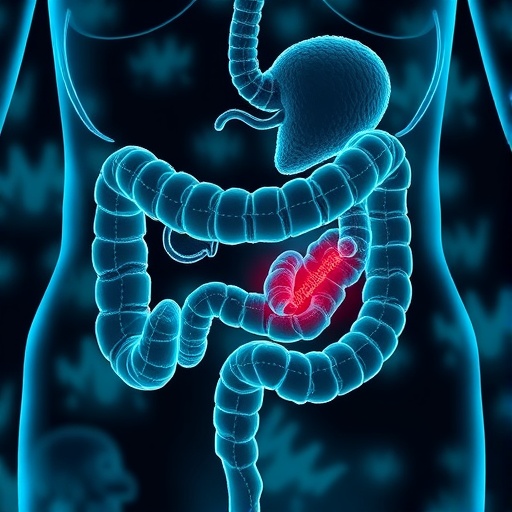
In the rapidly evolving field of metabolic health, a groundbreaking study published in Nature Metabolism sheds new light on the profound impact of bariatric surgery on the gut microbiota and its intricate association with metabolic improvements and type 2 diabetes remission. This research, led by Olsson, Borgeraas, Chakaroun, and colleagues, meticulously explores how alterations in the microbial community within the gastrointestinal tract post-bariatric surgery correlate with the dramatic shifts observed in metabolic outcomes, opening pathways to potential novel interventions for metabolic diseases that continue to challenge global health systems.
Bariatric surgery, long recognized primarily for its efficacy in promoting substantial and durable weight loss in individuals with severe obesity, is increasingly appreciated for its metabolic benefits beyond simple weight reduction. Notably, remission of type 2 diabetes (T2D) after surgery often occurs before significant weight loss, hinting at complex physiological mechanisms at play. The investigation by Olsson et al. dives deep into the elusive link between the gut microbiota—a dense and diverse microbial community—and the early metabolic changes observed after surgery. This connection stands to transform our understanding of host-microbe interactions as pivotal agents in metabolic regulation.
At the core of the study was a longitudinal cohort of patients undergoing bariatric procedures, whose gut microbiota compositions were thoroughly profiled using advanced metagenomic sequencing techniques. By comparing microbial assemblages before and after surgery, the researchers tracked the dynamic shifts in bacterial taxa and functional capacities. They documented a pronounced restructuring of the gut microbial ecosystem, characterized by increased diversity and the enrichment of specific microbial species previously implicated in metabolic health. Such refinements in microbial communities appear to influence key metabolic pathways, including those involved in bile acid metabolism, short-chain fatty acid production, and inflammation modulation.
One of the most striking findings was the association between these microbiota changes and markers of improved insulin sensitivity and glycemic control, underscoring a possible causal role. Patients who achieved remission of T2D post-surgery exhibited distinct microbial signatures compared to those with less pronounced metabolic improvements, suggesting that specific bacterial profiles might serve as predictive biomarkers for surgical success. This notion is pivotal, as it could enable personalized medical strategies that optimize interventions based on an individual’s unique microbiome landscape.
The researchers delved further into mechanistic insights by integrating microbial metagenomics with host metabolic data. They revealed that certain bacterial taxa enriched after surgery are capable of modulating bile acid pools, which directly activate host signaling receptors such as the farnesoid X receptor (FXR) and the G protein-coupled bile acid receptor (TGR5). Activation of these receptors plays a crucial role in lipid and glucose homeostasis, highlighting how microbiota-driven bile acid transformations can influence systemic metabolism in previously unappreciated ways.
In parallel, enhanced production of short-chain fatty acids (SCFAs) was observed, metabolic byproducts of microbial fermentation that exert anti-inflammatory effects and regulate appetite and energy expenditure. The study illuminated how shifts in microbial functionality, rather than mere taxonomic changes, orchestrate a metabolic milieu conducive to improved host insulin sensitivity. This functional reprogramming of the gut ecosystem may explain the metabolic precision observed after bariatric surgery, beyond what weight loss alone could account for.
The longitudinal design of the study provided crucial temporal resolution, allowing the researchers to differentiate early microbial alterations linked to metabolic improvements from those evolving as a consequence of sustained weight loss. They found that certain beneficial bacterial shifts emerged rapidly post-surgery, aligning with early metabolic benefits, while other changes accumulated over time. This temporal layering of microbiota dynamics affirms the gut microbiome as an active and adaptable participant in metabolic regulation rather than a static passenger.
Importantly, this research underscores the bidirectional communication within the gut-liver-pancreas axis. The gut microbiota’s modulation of bile acids and SCFAs influences not only local gut health but systemic inflammation, insulin production, and hepatic lipid metabolism. By orchestrating these interconnected pathways, the gut microbiota emerges as a central node in the pathophysiology of obesity-related metabolic disorders and their surgical treatment outcomes.
The implications of these findings are profound for the future of metabolic disease management. They pave the way for microbiota-targeted therapies that could replicate or enhance the metabolic benefits of bariatric surgery without the need for invasive procedures. Probiotics, prebiotics, microbial metabolites, and bacteriotherapy now stand as promising candidates that could induce favorable microbiome shifts, improve insulin sensitivity, and promote diabetes remission.
Finally, the study’s integration of multi-omics data—combining metagenomics, metabolomics, and clinical phenotyping—exemplifies the cutting edge of precision medicine. By comprehensively mapping host-microbiome interactions, the researchers provide a blueprint for developing predictive models that personalize treatment, monitor response, and optimize long-term metabolic outcomes.
This research marks a milestone in our understanding of the gut microbiota’s pivotal role in mediating the beneficial metabolic effects of bariatric surgery. As researchers continue to unravel these complex host-microbe relationships, the prospect of microbiome-informed interventions offers hope for millions grappling with obesity and type 2 diabetes worldwide. The intricate symbiosis between humans and their microbial cohabitants is emerging as a powerful therapeutic frontier, fundamentally altering how medicine approaches metabolic health.
The collaborative efforts behind this study highlight the transformative potential of interdisciplinary research, merging surgical science, microbiology, and metabolic physiology. The elucidation of microbial mechanisms underlying bariatric surgery’s success shifts the paradigm from viewing weight loss surgery solely as a mechanical intervention to recognizing it as a microbiota-modulating therapy with far-reaching systemic benefits.
Future studies will undoubtedly refine our grasp of the underlying causal relationships and identify the key microbial players involved. Long-term follow-up and expanded cohorts will be essential to validate these findings and facilitate their translation into clinical practice. Nonetheless, this landmark work already propels the field forward, challenging clinicians and scientists to rethink the microbial dimension in metabolic disease treatment.
As the obesity and diabetes pandemics continue unabated, leveraging the gut microbiota’s therapeutic potential offers an innovative route to safer, more effective, and personalized treatments. Understanding how bariatric surgery reshapes the microbiome to reprogram metabolism may lead to non-invasive approaches that harness this evolutionary partnership to restore metabolic health without surgery.
In conclusion, the study by Olsson and colleagues offers a transformative insight into the metabolic magic of bariatric surgery, where complex microbial choreography underpins dramatic clinical outcomes. This breakthrough underscores the importance of integrating microbiome science into metabolic research and highlights the therapeutic promise of targeting gut microbes to combat obesity and diabetes in the 21st century.
Cite Scienmag News
Morgan Morrow. (May 7, 2026). Gut Microbiota Changes Link to Diabetes Remission Post-Surgery. Scienmag. https://scienmag.com/gut-microbiota-changes-link-to-diabetes-remission-post-surgery/
Morgan Morrow. "Gut Microbiota Changes Link to Diabetes Remission Post-Surgery." Scienmag, 7 May 2026, https://scienmag.com/gut-microbiota-changes-link-to-diabetes-remission-post-surgery/. Accessed 6 September 2026.
Morgan Morrow. "Gut Microbiota Changes Link to Diabetes Remission Post-Surgery." Scienmag. May 7, 2026. https://scienmag.com/gut-microbiota-changes-link-to-diabetes-remission-post-surgery/


