


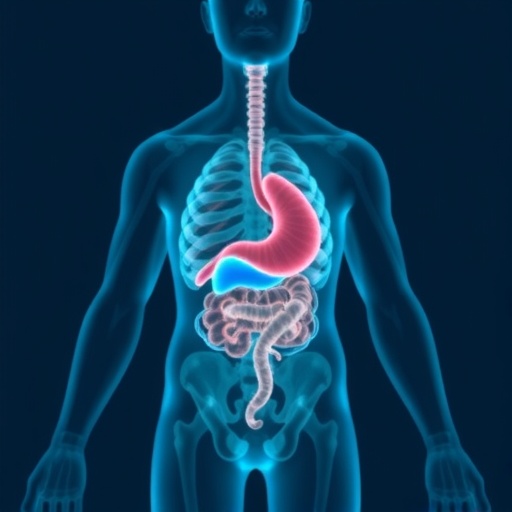
Why do some patients with hepatocellular carcinoma (HCC) exhibit remarkable responses to immunotherapy, while others face resistance? Emerging research increasingly implicates the gut microbiome as a pivotal, yet historically underestimated, determinant of therapeutic outcomes. The intricate interplay between gut microbial populations and the liver’s immune milieu offers profound insights into the modulation of anti-tumor immunity, revealing opportunities to harness microbial ecology as a novel axis for enhancing immunotherapy efficacy in this aggressive cancer.
Hepatocellular carcinoma stands as the predominant primary liver malignancy, notorious for its complex tumor heterogeneity and the immunosuppressive microenvironment that stymies many current treatments. Immune checkpoint blockade (ICB) therapies, targeting molecules like PD-1/PD-L1, have revolutionized cancer care but yield durable responses in only a subset of HCC patients. Traditional biomarkers such as PD-L1 expression and tumor mutational burden provide limited predictive capacity in this context, underscoring the urgency to identify alternative factors influencing therapeutic success.
The gut-liver axis epitomizes a dynamic, bidirectional communication channel linking intestinal microbiota with hepatic immune function. This axis regulates immune homeostasis via microbial metabolites and direct bacterial translocation, thereby sculpting the local immune landscape within the liver. Disruptions in this finely tuned ecosystem, or dysbiosis, have been correlated with both chronic liver disease progression and tumorigenesis, but their precise roles in immunotherapy responsiveness have only recently come to light.
A seminal review published by researchers at The Chinese University of Hong Kong integrates current molecular and clinical data to illuminate how specific gut bacteria and their metabolic byproducts influence HCC patients’ responses to immune interventions. Under physiological conditions, commensal bacteria such as Lactobacillus reuteri and Akkermansia muciniphila predominate, facilitating the production of short-chain fatty acids (SCFAs) like acetate and butyrate. These metabolites exert anti-inflammatory effects, enhancing antigen presentation and cytotoxic T-cell activity crucial for tumor eradication.
Conversely, hepatocellular carcinoma is frequently accompanied by expansions of pathogenic species including Klebsiella pneumoniae and Catenibacterium mitsuokai. These bacteria produce deleterious metabolites such as deoxycholic acid (DCA) and quinolinic acid, which perpetuate chronic inflammation and facilitate oncogenic signaling. Notably, C. mitsuokai has been shown to adhere to hepatic cells, secreting quinolinic acid that activates the PI3K/AKT signaling pathway, a central driver of cancer cell survival and proliferation.
Beyond gut-resident microbes, the presence of intratumoral bacteria like Enterococcus faecalis and Streptococcus anginosus within HCC lesions has been documented. These organisms contribute to an immunosuppressive tumor microenvironment by promoting the infiltration of myeloid-derived suppressor cells (MDSCs) and limiting the access and function of cytotoxic CD8+ T cells, thereby undermining immune-mediated tumor control. Such findings challenge long-held notions that tumors exist in sterile conditions and open avenues for microbiome-targeted manipulation directly within the tumor niche.
A further breakthrough highlighted in this review involves microbial signatures predictive of immunotherapy resistance. Specifically, enrichment of Phocaeicola vulgatus correlates with impaired CD8+ T-cell cytotoxicity via disruption of tryptophan metabolism pathways and depletion of indole-3-acetic acid (IAA), a metabolite with recognized immunomodulatory properties. This causal link between microbial metabolic interference and immune dysfunction provides a mechanistic rationale for microbiome-centric therapeutics.
These advancements collectively redefine the gut microbiome not merely as a biomarker but as an active modulator of therapeutic outcomes in HCC immunotherapy. The microbiome’s ability to “warm” or “cool” the tumor immune environment suggests a potent target for intervention. Modifying microbial composition through probiotics, tailored diets, or fecal microbiota transplantation (FMT) could feasibly convert non-responders into responders, revolutionizing personalized cancer treatment paradigms.
Clinically, microbial profiles hold promise as non-invasive biomarkers to stratify patients likely to benefit from immune checkpoint inhibitors, potentially reducing exposure to ineffective treatments and minimizing adverse effects. Microbiome-targeted therapeutic strategies are progressing rapidly, with ongoing clinical trials such as the FAB-HCC study evaluating FMT combined with atezolizumab and bevacizumab in patients who have failed prior immunotherapy, testing the hypothesis that restoring microbial equilibrium enhances anti-tumor immunity.
Dietary fiber supplementation represents another practical approach to augment SCFA production, thereby reinforcing the beneficial metabolic milieu supportive of effective immune surveillance. Concurrently, probiotic interventions focusing on species like Bifidobacterium could boost cytotoxic T-cell activity, providing a synergistic adjunct to conventional immunotherapies.
Challenges remain, including the need to delineate causal relationships conclusively, standardize microbial assessment techniques, and understand how the gut microbiome interacts with other systemic factors such as host genetics and the tumor microenvironment. Furthermore, safety concerns surrounding FMT and microbial manipulation must be rigorously addressed through well-designed clinical studies.
In summary, integrating microbiome modulation into hepatocellular carcinoma treatment represents a transformative frontier with profound therapeutic implications. By harnessing the gut-liver axis and microbial metabolites, future interventions may not only enhance immunotherapy efficacy but also reduce immune-related adverse events and circumvent tumor resistance mechanisms. This synthesis of immunology, microbiology, and oncology heralds a new era of precision medicine tailored to the complex biology of liver cancer and its microbial associates.
Cite Scienmag News
Nathaniel Bowman. (July 1, 2026). Gut Microbiome: The Secret Architect Shaping Liver Cancer Immunotherapy Outcomes. Scienmag. https://scienmag.com/gut-microbiome-the-secret-architect-shaping-liver-cancer-immunotherapy-outcomes/
Nathaniel Bowman. "Gut Microbiome: The Secret Architect Shaping Liver Cancer Immunotherapy Outcomes." Scienmag, 1 July 2026, https://scienmag.com/gut-microbiome-the-secret-architect-shaping-liver-cancer-immunotherapy-outcomes/. Accessed 4 September 2026.
Nathaniel Bowman. "Gut Microbiome: The Secret Architect Shaping Liver Cancer Immunotherapy Outcomes." Scienmag. July 1, 2026. https://scienmag.com/gut-microbiome-the-secret-architect-shaping-liver-cancer-immunotherapy-outcomes/


