


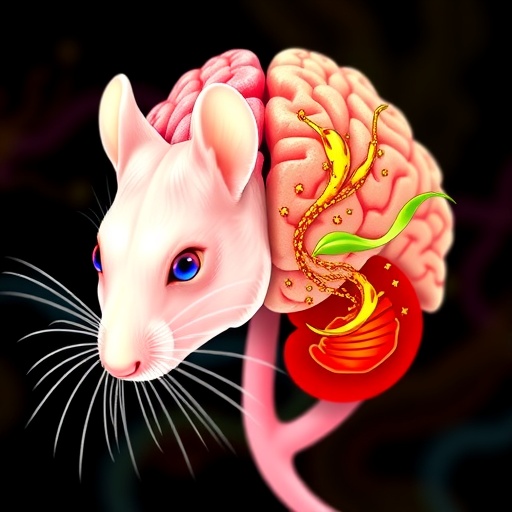
In a groundbreaking exploration into the complex interplay between the gut microbiome and brain function, a new study has elucidated the profound effects of fecal microbiota transplantation (FMT) from humans to rodent models, focusing specifically on anorexia nervosa (AN). The research, conducted by Korten et al. and published in Translational Psychiatry, offers compelling evidence that the microbial communities harbored within the gut can significantly influence hippocampal gene regulation, thus impacting brain plasticity, inflammation, and regeneration. This revelation advances our understanding of the microbiome-gut-brain axis, a rapidly evolving field with far-reaching implications for neuropsychiatric disorders and their treatment.
At the heart of this study lies the intricate relationship between the gut microbiota and the hippocampus, a central brain structure essential for learning, memory, and emotional regulation. By transplanting fecal microbiota from patients with anorexia nervosa and healthy controls into recipient rats, researchers were able to observe notable shifts in the microbial landscape of the animals’ intestinal tract. The successful engraftment of bacteria from the donor communities underscored the viability of this approach to modulate host microbial ecosystems and, consequently, neurophysiological functions.
Importantly, the study illuminated how antibiotic-induced depletion of the gut microbiota disrupted hippocampal plasticity and altered inflammatory and regenerative signaling pathways. After administering broad-spectrum antibiotics, recipient animals exhibited reduced hippocampal gene expression related to neural regeneration and immune responses. This deterioration was, however, selectively reversible depending on the source of the fecal material. Animals receiving transplants from healthy controls demonstrated a restoration of hippocampal function, whereas those transplanted with microbiota from anorexia nervosa patients did not experience such improvements. This discrepancy suggests that the microbial signatures characteristic of AN may perpetuate or exacerbate neurological dysfunction.
These insights highlight the hippocampus as a critical nexus within the microbiome-gut-brain axis, where microbial metabolites and immune mediators converge to influence neuronal survival and plasticity. The findings point to a sophisticated bidirectional communication system wherein gut bacteria not only respond to host physiological changes but also actively modulate brain function and behavior via molecular signaling cascades.
Delving deeper into the microbial communities involved, the study identified specific bacterial taxa previously implicated in inflammatory processes and neuronal modulation, tying these microbes to distinct hippocampal changes observed in the AN model. This suggests a mechanistic link between diet-altered microbiomes in anorexia nervosa and maladaptive brain function. By establishing these associations, researchers are beginning to decode the pathobiology of microbiome-related contributions to psychiatric illness, potentially revealing novel microbial biomarkers and therapeutic targets.
One of the most promising avenues emerging from this research is the prospect of harnessing particular bacterial strains or consortia as precision tools to influence brain health. The authors propose the creation of synthetic microbial mixtures designed to mimic the microbial milieu observed in anorexia nervosa. Such synthetic communities may one day serve as next-generation probiotics or live biotherapeutics aimed at restoring healthy brain-microbiome interactions, thereby offering adjunctive strategies for psychiatric treatment beyond traditional pharmacotherapy and psychotherapy.
From a methodological standpoint, the study also advances FMT research by incorporating repeated gavage protocols and exploring diverse outcome measures. These refinements underscore the complexity of fecal transplantation as an experimental and clinical intervention and pave the way for optimized protocols that maximize engraftment efficacy and biological impact. Understanding the variables influencing FMT success is crucial for translating these findings into human studies and ultimately clinical practice, particularly in disorders characterized by microbiome dysbiosis such as AN.
In the broader context, this study resonates with a mounting body of literature linking the gut microbiome to mental health disorders. By demonstrating tangible effects of human microbiota on neural tissue via transplantation into animal models, the research establishes a causal relationship that transcends mere correlation. It adds a critical dimension to our understanding of how peripheral systems can profoundly shape central nervous system functions and mental health outcomes.
Furthermore, the identified microbial taxa and their associated metabolites hold promise as biomarkers for disease progression or treatment response. Characterizing these biochemical mediators and deciphering their signaling pathways will enable future endeavors to develop targeted interventions. For patients with anorexia nervosa, who often face limited treatment options and high relapse rates, such advancements could be transformative, offering new hope through biologically informed therapies.
The intersection of microbiology, neurobiology, and psychiatry illuminated by this research opens exciting possibilities for integrative medicine. Incorporating microbiome-targeted therapies alongside behavioral and nutritional approaches could revolutionize current paradigms in managing eating disorders. By addressing the underlying biological perturbations in the microbiota-gut-brain axis, therapeutic strategies could become more holistic and effective.
Looking forward, the implications for translational research are profound. Enabling precise modulation of the microbiome with synthetic consortia or FMT protocols may allow clinicians to mitigate hippocampal dysfunction and associated cognitive or emotional deficits. Such interventions could potentially extend beyond anorexia nervosa to other neuropsychiatric conditions where dysbiosis and neuroinflammation are implicated, broadening the impact of this research.
Additionally, integrating dietary manipulation with microbiome-based treatments could provide another layer of control over gut ecology and brain health. As anorexia nervosa fundamentally involves alterations in food intake, understanding how diet influences microbial composition and its downstream neurological consequences becomes paramount. Combining nutritional therapies with microbial transplantation might yield synergistic benefits, promoting neuronal restitution and overall recovery.
This research also signifies a paradigm shift in neuroscientific inquiry, moving beyond a strictly neuron-centric view of brain function to encompass ecological and systemic perspectives. Recognizing the brain as intricately connected to peripheral microbial communities offers a more comprehensive framework for understanding mental illness and developing innovative interventions.
In conclusion, the study by Korten and colleagues is a seminal contribution that enhances our knowledge of the microbiome-gut-brain axis, particularly in the context of anorexia nervosa. By leveraging fecal microbiota transplantation and rigorous molecular analyses, it reveals critical microbial players and pathways influencing hippocampal gene expression and brain plasticity. These findings pave the way for future explorations into microbiome-driven therapeutics that could revolutionize treatment for anorexia nervosa and potentially other psychiatric disorders, making this a landmark study poised to shape the future of neuropsychiatric medicine.
Cite Scienmag News
Morgan Morrow. (April 30, 2026). Gut-Brain Links: Human Fecal Transplants Affect Rat Hippocampus. Scienmag. https://scienmag.com/gut-brain-links-human-fecal-transplants-affect-rat-hippocampus/
Morgan Morrow. "Gut-Brain Links: Human Fecal Transplants Affect Rat Hippocampus." Scienmag, 30 April 2026, https://scienmag.com/gut-brain-links-human-fecal-transplants-affect-rat-hippocampus/. Accessed 4 September 2026.
Morgan Morrow. "Gut-Brain Links: Human Fecal Transplants Affect Rat Hippocampus." Scienmag. April 30, 2026. https://scienmag.com/gut-brain-links-human-fecal-transplants-affect-rat-hippocampus/


