


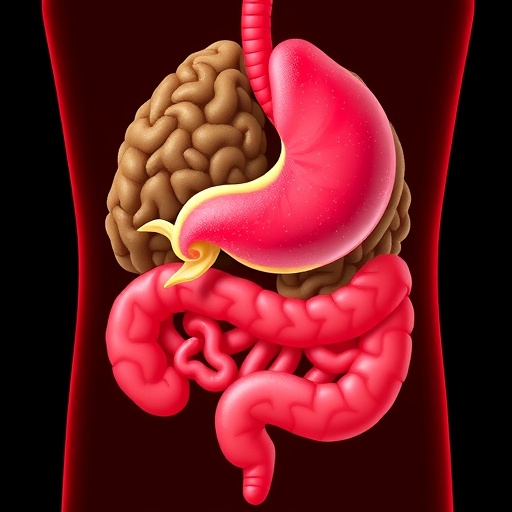
The human act of eating, a seemingly simple daily routine, is in fact orchestrated by a remarkably complex neurophysiological system that governs not only when and how we eat but also what we choose to consume. Central to this intricate regulation is the gut–brain axis, a dynamic communication network where signals traverse bidirectionally between the gastrointestinal tract and the central nervous system. Recent research, as reviewed by de Lartigue, Brierley, and Choi, provides compelling insights into how this axis critically influences the phases of eating behavior—food seeking, consumption, and subsequent non-prandial activities—through specialized interoceptive phenomena comprising hunger, satiation, and satiety.
Our understanding of eating behavior embraces three discrete yet interrelated phases. The first phase, food seeking, involves complex motivational and cognitive processes that prompt an individual to find and acquire food, driven primarily by sensations of hunger. Following this, the food consumption phase is characterized by the act of eating itself, culminating in satiation, the physiological and psychological signals that terminate a meal. Finally, during the post-consumption period, non-prandial activities ensue, dominated by satiety mechanisms that prevent immediate further intake and sustain energy balance. Together, these phases delineate the temporal and behavioral structure of feeding, finely tuned by feedback from internal states communicating through the gut–brain axis.
At the heart of this communication network lies the vagus nerve—one of the longest and most complex nerves in the body. Functioning as a critical conduit, the vagus nerve relays a continuous stream of mechanical and chemical information derived from the gut to higher centers in the brain. This afferent information shapes sensations of fullness and energy status, informing the central nervous system about not only the presence of food but also its nutritional and caloric content. The vagal pathways thus enable real-time regulation of meal size and frequency, integrating peripheral cues with central cognitive and emotional factors that ultimately influence eating behavior.
One of the foundational interoceptive sensations modulating eating behavior is hunger, a drive that expresses the body’s energy deficit. Hunger signals, arising from both peripheral and central origins, are crucial for initiating food-seeking behavior. Complementary to hunger are sensations of satiation, which develop during a meal and signal its appropriate termination. Satiety—the longer-lasting feeling of fullness after a meal—is an essential factor preventing excess caloric intake and maintaining energy homeostasis across hours. The seamless transition among these states reflects an exquisite balance managed through gut-derived feedback mechanisms processed by the brain via the vagus nerve and other pathways.
Nevertheless, this tightly regulated system is vulnerable to disruption by modern dietary patterns, particularly chronic consumption of high-fat and high-sugar foods. Such dietary imbalances induce a maladaptive state characterized by hyperphagia—the compulsive overeating beyond metabolic needs—along with altered food preferences that bias choices toward energy-dense, palatable foods. This dysregulated feeding milieu involves complex neurobiological alterations, including vagal fiber remodeling, shifts in gene expression within gut and brain tissues, and development of leptin resistance, a phenomenon that blunts the body’s capability to perceive satiety signals and properly regulate appetite.
The molecular and cellular underpinnings of vagal remodeling reveal profound structural and functional changes in vagal afferent neurons. Such changes impair the fidelity of gut–brain signalling, resulting in diminished central responsiveness to peripheral satiety cues. Concurrently, altered gene expression profiles—shaped by exposure to obesogenic diets—reshape neuronal signaling pathways and neurotransmitter systems, further destabilizing homeostatic control. These alterations synergize with leptin resistance, undermining one of the key hormonal regulators of energy balance and contributing to persistent weight gain and obesity.
Clinically, these insights accentuate the gut–brain axis as a pivotal target for therapeutic intervention in obesity. Emerging treatments, primarily glucagon-like peptide 1 receptor (GLP-1R) agonists, have demonstrated efficacy in reducing body weight through modulation of gut hormone signalling and central appetite circuits. However, while these agents promote weight loss, they often fall short of reversing the entrenched pathophysiological changes that underpin gut–brain disruption, such as vagal remodeling or hormone resistance. This suggests a need for the development of more nuanced therapies that restore and enhance physiological gut–brain communication for sustainable obesity management.
Advances in understanding the neurobiology of eating behavior have also highlighted the role of learned food preferences and food-related conditioning processes. Gut-derived signals, processed centrally, contribute to the formation of food palatability, preference, and habitual intake behavior. The brain’s reward circuitry is influenced by gut feedback, linking interoceptive signals to dopaminergic pathways that govern food desirability. Disruption of this circuitry by obesogenic diets may cement maladaptive eating patterns resistant to behavioral modification, implicating gut–brain signalling in the pathogenesis of compulsive overeating.
Furthermore, the bidirectional communication within the gut–brain axis encompasses not only mechanical and chemical stimuli but also immune and microbial signals. The gut microbiota exerts profound effects on neural signaling through metabolites and immunomodulatory molecules that interface with vagal and hormonal pathways. Dysbiosis, often linked to dietary excess and obesity, alters this crosstalk, perpetuating gut inflammation and impairing neural control of appetite. These discoveries underscore the gut microbiome’s integral role in orchestrating eating behavior through gut–brain dialogue.
Technological innovations such as advanced neuroimaging and electrophysiological mapping have facilitated unprecedented exploration of gut–brain circuitry. These tools allow dissection of vagal afferent subtypes, identification of discrete brain nuclei involved in feeding behavior, and real-time monitoring of gut signal integration. Such mechanistic insights pave the way for targeted neuromodulation strategies, including vagus nerve stimulation, which holds promise for restoring normal gut–brain communication and rebalancing eating behavior in obesity.
Understanding the temporal dynamics of eating phases also underscores the clinical importance of timing and patterning of meals. Disruption in the duration or transition timing between food seeking, consumption, and postprandial phases can exacerbate energy imbalance. For example, blunted satiation during meals often results in prolonged eating episodes and increased portion sizes, while premature termination of satiety signals can lead to reduced inter-meal intervals and rapid re-feeding. These behavioral phenotypes, linked to gut–brain dysfunction, contribute significantly to adverse metabolic outcomes.
Moreover, psychological and environmental factors interact with gut–brain signalling pathways, modulating eating behavior. Stress, mood disorders, and circadian misalignment influence vagal tone and hormone secretion, further complicating appetite regulation. Social and cultural determinants also modulate learned food preferences and habitual behaviors, embedding a complex biopsychosocial framework into the control of eating. These multifaceted influences demand integrative approaches for effective obesity treatment that encompass neurophysiological and behavioral domains.
Future research directions call for a comprehensive mapping of gut–brain axis pathways, including detailed characterization of vagal fiber subpopulations and identification of key molecular targets mediating interoceptive signals. Innovative preclinical and clinical models are essential to unravel how chronic dietary insults remodel these pathways and how interventions can reverse or prevent such changes. By bridging molecular neuroscience with behavioral science, new therapeutic modalities may emerge that precisely restore homeostatic control without relying on pharmacological appetite suppression alone.
The pivotal role of the vagus nerve in integrating gut signals extends beyond metabolic regulation, influencing emotional and cognitive states linked to food intake. Visceral feedback conveyed via vagal afferents modulates brain regions associated with reward, motivation, and decision-making, embedding eating behavior within the broader neuropsychological landscape. Disruptions in this system manifest in disorders beyond obesity, including binge eating and other forms of disordered eating, underscoring the therapeutic potential of targeting vagal pathways for diverse clinical conditions.
In summary, the gut–brain axis emerges as an indispensable regulator of eating behavior and energy homeostasis, with the vagus nerve serving as a critical nexus for conveying interoceptive information. Chronic exposure to obesogenic diets disrupts this intricate signaling network, fostering maladaptive eating patterns and obesity. Although GLP-1 receptor agonists and similar therapies illustrate progress, they fail to fully address the neurobiological alterations underlying gut–brain dysfunction. A renewed focus on vagal neuromodulation and gut-derived signaling pathways promises transformative advances in obesity treatment, emphasizing the need for innovative strategies that restore the integrity of the gut–brain dialogue.
As this field advances, the recognition of the gut–brain axis as a master regulator of metabolism and appetite not only deepens our understanding of human physiology but also challenges the paradigm of obesity as a purely behavioral disorder. This paradigm shift holds the potential to reduce stigma and enhance clinical outcomes by addressing the biological substrates of appetite dysregulation. Ultimately, the symbiotic relationship between gut and brain offers fertile ground for novel, targeted intervention strategies that could drastically alter the trajectory of the global obesity epidemic.
Cite Scienmag News
Daisy Hatcher. (April 21, 2026). Gut-Brain Communication Shapes Eating and Obesity. Scienmag. https://scienmag.com/gut-brain-communication-shapes-eating-and-obesity/
Daisy Hatcher. "Gut-Brain Communication Shapes Eating and Obesity." Scienmag, 21 April 2026, https://scienmag.com/gut-brain-communication-shapes-eating-and-obesity/. Accessed 3 September 2026.
Daisy Hatcher. "Gut-Brain Communication Shapes Eating and Obesity." Scienmag. April 21, 2026. https://scienmag.com/gut-brain-communication-shapes-eating-and-obesity/


