

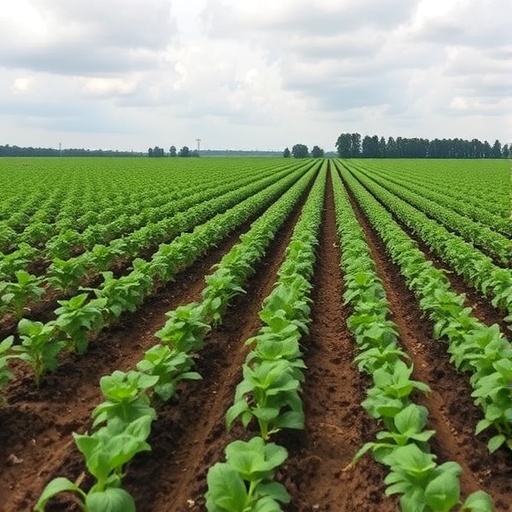
The atmospheric dynamics of glyphosate and its primary metabolite, AMPA (aminomethylphosphonic acid), in agricultural areas are a topic of increasing scientific inquiry. Glyphosate is one of the most widely used herbicides globally, primarily due to its effectiveness in controlling a broad spectrum of weeds. However, concerns regarding its environmental impact, particularly in relation to human health and ecosystems, have prompted researchers to explore its behavior and fate in the atmosphere. The latest study led by Goossens, Harkes, and van Stratum sheds light on the atmospheric dynamics of glyphosate and AMPA, providing critical insights into their distribution, lifetime, and potential effects on the environment.
The research primarily examines how glyphosate and AMPA are transported in the atmosphere following their application in agricultural practices. Understanding these dynamics is essential for predicting their environmental fate and potential contamination of air and water resources. The authors utilized advanced atmospheric modeling combined with empirical data to gain a comprehensive view of how these chemicals behave once released into the atmosphere. The study is particularly relevant in today’s context, where agricultural practices are closely scrutinized for their environmental impact.
One of the key findings of the study is the identification of specific meteorological conditions that facilitate the dispersion of glyphosate and AMPA in the atmosphere. The researchers found that wind patterns, humidity, and temperature play pivotal roles in the transportation dynamics of these chemicals. For instance, during warm and humid conditions, the volatilization of glyphosate can be enhanced, leading to higher concentrations of glyphosate vapor in the air. This has significant implications for areas surrounding agricultural fields, where these compounds may drift from application sites into neighboring ecosystems and communities.
Furthermore, the study outlines the degradation pathways of glyphosate and AMPA once released into the atmospheric environment. It highlights that glyphosate can undergo photodegradation when exposed to sunlight, resulting in the formation of various breakdown products, some of which may possess different levels of toxicity. This is a critical aspect of understanding the long-term effects of glyphosate usage, as accumulating evidence suggests that some degradation products may pose risks to human health or the environment.
The research employed innovative sampling techniques to capture atmospheric concentrations of glyphosate and AMPA in real-time. By using state-of-the-art analytical equipment, the researchers were able to measure the presence of these compounds at various altitudes and distances from the application sites. This allowed for a thorough investigation into how atmospheric concentrations change over time and can be influenced by local agricultural practices. Such data is essential for developing accurate atmospheric models that can predict the fate of these chemicals beyond their initial application.
In addition to the atmospheric transport and degradation aspects, the study also explored the potential ecological consequences of glyphosate and AMPA presence in the atmosphere. The researchers pointed out that elevated atmospheric concentrations could lead to increased deposition on soil and water bodies. This phenomenon raises questions about the long-term impacts on terrestrial and aquatic ecosystems, including effects on plant growth and soil microbe communities, both of which are crucial for maintaining agricultural productivity and ecosystem health.
Moreover, the research emphasizes the importance of regulatory frameworks and monitoring programs aimed at minimizing the potential risks associated with glyphosate and AMPA. The findings underscore the need for policymakers to consider environmental exposure through atmospheric pathways when developing guidelines for herbicide applications. This highlights the wider implications of agricultural practices and the importance of responsible chemical use in safeguarding public health and the environment.
An intriguing aspect of the study is the assessment of public perceptions regarding glyphosate use and its atmospheric dynamics. Through surveys and qualitative research, the authors found that many community members are concerned about the potential health risks associated with glyphosate exposure. This concern reflects a growing demand for transparency in agricultural practices and highlights the necessity for comprehensive communication strategies regarding pesticide usage and its implications for environmental health.
The connection between agricultural practices and atmospheric dynamics as explored in this study also opens doors for further research. The intricate relationship between chemical use, climatic conditions, and ecological consequences warrants additional studies. Future research could investigate specific crop types and their interaction with atmospheric glyphosate and AMPA, providing further insight into tailored agricultural practices that could mitigate environmental impacts.
In conclusion, the research by Goossens, Harkes, and van Stratum provides significant advancements in our understanding of glyphosate and AMPA atmospheric dynamics. As agricultural practices continue to evolve globally, the relevance of these findings becomes increasingly critical. The study serves as a valuable foundation for future explorations into environmentally sustainable agricultural practices while drawing attention to the need for stricter regulations and monitoring of pesticide use in agricultural areas.
With evidence continuing to surface regarding the impacts of glyphosate and its metabolites, it is imperative for researchers, policymakers, and the agricultural community to work collaboratively. Addressing the atmospheric impacts of these widely used herbicides could have profound implications for public health, environmental integrity, and the future of sustainable agriculture.
Subject of Research: Atmospheric dynamics of glyphosate and AMPA in agricultural areas
Article Title: Atmospheric dynamics of glyphosate and AMPA in agricultural areas.
Article References:
Goossens, D., Harkes, P., van Stratum, B. et al. Atmospheric dynamics of glyphosate and AMPA in agricultural areas.
Environ Sci Pollut Res (2026). https://doi.org/10.1007/s11356-026-37409-4
Image Credits: AI Generated
DOI: https://doi.org/10.1007/s11356-026-37409-4
Keywords: glyphosate, AMPA, atmospheric dynamics, agricultural areas, environmental impact


