


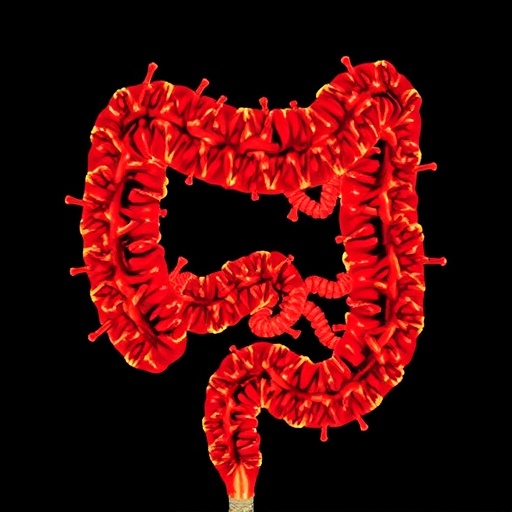
In a groundbreaking scoping review recently published in Medical Oncology, researchers have shed new light on the intricate roles that glycoproteins play in the regulation of autophagy and apoptosis within colorectal cancer cells. This comprehensive analysis provides an unprecedented synthesis of how these complex molecules navigate the delicate balance between cell survival and programmed death, pathways critical to our understanding and potential treatment of colorectal malignancies.
Colorectal cancer remains a leading cause of cancer-related morbidity and mortality worldwide, making insights into its cellular mechanisms a top priority for oncological research. Central to the cellular fate decisions are the processes of autophagy—a catabolic mechanism that recycles cellular components to sustain cell survival under stress—and apoptosis, the programmed cell death that serves as a natural barrier against cancer progression. Glycoproteins, proteins with attached carbohydrate groups, emerge as pivotal regulators within this duality, influencing signaling pathways that dictate tumor behavior.
The review meticulously catalogs the diverse family of glycoproteins implicated in colorectal cancer, emphasizing their roles both as mediators and modulators of autophagy and apoptosis. These macromolecules, often situated on the cell surface or secreted into the tumor microenvironment, orchestrate complex interactions between cancerous cells and their surroundings, impacting tumor growth, metastasis, and therapy resistance.
One of the critical revelations from this analysis is the dualistic nature of certain glycoproteins, which can sway the balance towards either promoting cell survival or instigating cell death, depending on the contextual cues and intracellular signaling networks. For instance, some glycoproteins facilitate the induction of autophagy as a protective mechanism against chemotherapeutic agents, thereby enabling cancer cells to endure adverse conditions. Conversely, others activate apoptotic pathways, curbing tumor expansion.
The authors highlight the emerging therapeutic potential of targeting glycoproteins to manipulate autophagy and apoptosis. This could revolutionize colorectal cancer treatment by sensitizing tumor cells to existing therapies or by reprogramming resistant cells toward programmed death. The cross-talk orchestrated by glycoproteins suggests a fine regulatory system that could be exploited pharmacologically to tilt the intracellular environment unfavorably for cancer cell survival.
Autophagy, traditionally viewed as a survival mechanism under metabolic stress, is now recognized for its paradoxical role in cancer, where its modulation can either suppress or promote tumorigenesis. The review dissects how glycoproteins regulate this process through modulation of key autophagic markers and signaling axes such as mTOR, AMPK, and Beclin-1. By fine-tuning these pathways, glycoproteins influence the degradative machinery within colorectal cancer cells, potentially altering their susceptibility to apoptosis.
Apoptosis, the programmed cell death mechanism, is no less complexly regulated by glycoproteins. These molecules affect apoptotic signaling cascades including the intrinsic mitochondrial pathway and the extrinsic death receptor pathway. Changes in glycoprotein expression or function can result in either the evasion of apoptosis, a hallmark of cancer, or the promotion of cell death, which constrains tumor growth.
Moreover, the tumor microenvironment, shaped significantly by glycoproteins, emerges as a dynamic arena where autophagy and apoptosis intersect. Glycoproteins contribute to immune evasion, angiogenesis, and intercellular communication, all of which feed back into the cancer cell survival machinery. The review elucidates the multifaceted influences these molecules exert beyond the cancer cell itself, encompassing stromal and immune components.
The review also illuminates the challenges in deciphering the glycoprotein landscape due to the structural heterogeneity of glycosylation patterns. These variations profoundly impact glycoprotein function, localization, and interactions. Advances in glycoproteomics and analytical techniques are crucial in unraveling this complexity, offering pathways to identify novel biomarkers and therapeutic targets.
Therapeutic interventions aiming at glycoproteins encompass monoclonal antibodies, small molecule inhibitors, and glycomimetic agents designed to disrupt aberrant glycoprotein-mediated pathways. Clinical trials increasingly incorporate these approaches, underscoring the translational significance of understanding glycoprotein roles in autophagy and apoptosis.
Additionally, the interplay between glycoproteins and genetic and epigenetic alterations in colorectal cancer cells adds further layers of regulation. These interactions can potentiate oncogenic signaling or compromise apoptotic responses, highlighting the importance of integrated molecular studies to design effective combinational therapies.
The authors advocate for more in-depth studies to resolve outstanding questions regarding the temporal and spatial dynamics of glycoprotein function in cancer cells. Particularly, the contextual dependency of glycoprotein-mediated autophagy and apoptosis signaling demands comprehensive investigations utilizing advanced in vitro and in vivo models.
In summary, this exhaustive review sets the stage for a new era in colorectal cancer research, emphasizing glycoproteins as master regulators of cell fate decisions. The molecular insights gathered could pave the way for innovative diagnostic and therapeutic strategies that improve patient outcomes by precisely targeting these glycosylated proteins within the autophagy and apoptosis nexus.
The ongoing exploration of glycoprotein-mediated mechanisms promises to unravel the complexities of colorectal cancer pathobiology further, enabling the creation of more effective, targeted, and personalized treatments. As the scientific community continues to decode these glycomolecular codes, a future where colorectal cancer is more controllable and survivable appears increasingly attainable.
The implications of manipulating glycoprotein functions extend beyond colorectal cancer, potentially offering broader applications in oncology and regenerative medicine. Understanding the fundamental roles these molecules play at the intersection of autophagy and apoptosis could inform therapeutic approaches across a wide spectrum of diseases characterized by dysregulated cell death and survival.
This comprehensive scoping review marks a pivotal step towards harnessing glycoproteins as both biomarkers and functional targets, with the inspiring prospect of transforming the therapeutic landscape and offering renewed hope to colorectal cancer patients worldwide.
Cite Scienmag News
Nathaniel Bowman. (January 12, 2026). Glycoproteins in Colorectal Cancer: Autophagy & Apoptosis. Scienmag. https://scienmag.com/glycoproteins-in-colorectal-cancer-autophagy-apoptosis/
Nathaniel Bowman. "Glycoproteins in Colorectal Cancer: Autophagy & Apoptosis." Scienmag, 12 January 2026, https://scienmag.com/glycoproteins-in-colorectal-cancer-autophagy-apoptosis/. Accessed 3 September 2026.
Nathaniel Bowman. "Glycoproteins in Colorectal Cancer: Autophagy & Apoptosis." Scienmag. January 12, 2026. https://scienmag.com/glycoproteins-in-colorectal-cancer-autophagy-apoptosis/


