Wednesday, October 28, 2026
Science
No Result
View All Result
  • Login
  • HOME
  • SCIENCE NEWS
  • CONTACT US
  • HOME
  • SCIENCE NEWS
  • CONTACT US
No Result
View All Result
Scienmag
No Result
View All Result
Home Science News Medicine

Gluten-free diet shapes snack choices of young people with celiac disease

October 27, 2026
in Medicine
Daisy Hatcher
By Daisy Hatcher Scienmag Editorial Profile - Food Safety and Toxicology
Reading Time: 3 mins read
0
Gluten-free diet shapes snack choices of young people with celiac disease

Gluten-free diet shapes snack choices of young people with celiac disease

65
SHARES
587
VIEWS
Share on FacebookShare on Twitter
ADVERTISEMENT

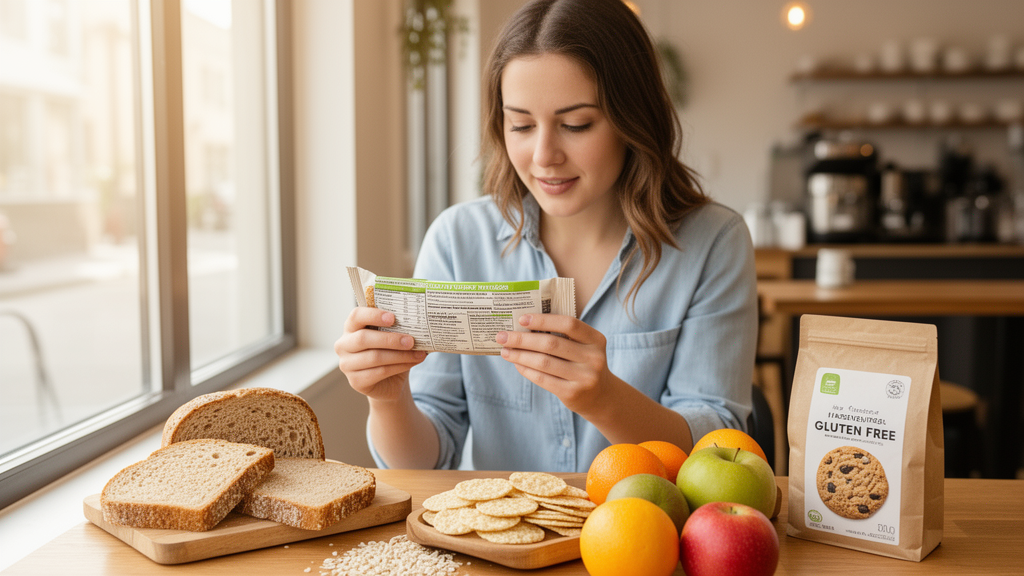
Young people with celiac disease eat more regular meals than their peers without dietary restrictions, but their snack choices reveal the well-known nutritional limitations of a gluten-free diet, according to a survey-based study published in BMC Nutrition.

The study compared meal and snacking patterns between adolescents and young adults with celiac disease who follow a gluten-free diet and controls of the same age without any food restrictions. A survey on health-related issues and diet was distributed to 16 to 30-year-old members of the Celiac Society and to students of similar age from a university of applied sciences and a vocational school.

The respondents with celiac disease numbered 210, while the control group comprised 143 participants.

Participants with celiac disease reported more frequent meal patterns than controls, averaging 3.4 meals per day compared with 3.0 meals per day, a difference that was statistically significant. In contrast, snacking frequency and the tendency to replace main meals with snacks were similar between the two groups.

The findings also pointed to practical challenges of maintaining a gluten-free diet outside the home. Patients reported difficulties with gluten-free options in school and workplace cafeterias, and they consumed lunch in such cafeterias less often than controls, at 18% versus 38%.

Snack and food choices differed between the groups in several respects. Those with celiac disease consumed ice cream more frequently, 0.9 versus 0.3 times per week, as well as low-fiber bread, 1.6 versus 0.8 times per week, and plant oil-based margarine or fat spreads, 2.4 versus 1.2 times per week.

At the same time, the celiac group used sugar-sweetened beverages less often as a snack, 0.6 versus 1.2 times per week, along with whole grain noodles, 0.0 versus 0.4 times per week, and butter and other margarines, 2.0 versus 2.8 times per week. They also reported consuming less alcohol and tobacco than the control participants.

When asked what influenced their snack purchases, respondents pointed to taste, ease of transport and price as the key factors.

The authors conclude that the celiac group had more frequent meal patterns and consumed less alcohol and tobacco, but that their choices also reflected dietary limitations, including low-fiber and added-sugar snacks and reduced use of school or workplace cafeterias. As a novel finding, they report that these well-known limitations of the gluten-free diet were also evident in snack choices, which may have implications for overall diet quality.

The study is an open-access article published on 27 October 2026 and shared as an early version of the peer-reviewed, accepted manuscript, which is citable and carries a permanent DOI but remains subject to further edits before the final version of record is released. Because the data come from a survey of society members and students, and the majority of respondents were women and students, the findings describe the patterns reported by these groups rather than the general population.

Subject of Research: Meal and snacking patterns of adolescents and young adults with celiac disease following a gluten-free diet compared with controls

Article Title: Meal frequency and snacking patterns among adolescents and young adults without any food restrictions or with celiac disease and following a gluten-free diet

Article References: Pihlajamäki, H., Nissinen, K., Autio, R., Kivelä, L., Arnala, S., Laurikka, P., Kaukinen, K., Kurppa, K., & Aitokari, L. (2026). Meal frequency and snacking patterns among adolescents and young adults without any food restrictions or with celiac disease and following a gluten-free diet. BMC Nutrition. https://doi.org/10.1186/s40795-026-01534-7

Image Credits: AI Generated

DOI: 10.1186/s40795-026-01534-7

Keywords: celiac disease, gluten-free diet, meal frequency, snacking, adolescents, young adults, diet quality, nutrition survey, BMC Nutrition, food choices, Meal, frequency

Cite Scienmag News

Daisy Hatcher. (October 27, 2026). Gluten-free diet shapes snack choices of young people with celiac disease. Scienmag. https://scienmag.com/gluten-free-diet-shapes-snack-choices-of-young-people-with-celiac-disease/

Daisy Hatcher. "Gluten-free diet shapes snack choices of young people with celiac disease." Scienmag, 27 October 2026, https://scienmag.com/gluten-free-diet-shapes-snack-choices-of-young-people-with-celiac-disease/. Accessed 28 October 2026.

Daisy Hatcher. "Gluten-free diet shapes snack choices of young people with celiac disease." Scienmag. October 27, 2026. https://scienmag.com/gluten-free-diet-shapes-snack-choices-of-young-people-with-celiac-disease/


Tags: adolescentsBMC NutritionCeliac diseasechallenges of gluten-free eating outside the homecomparison of meal and snack patterns in celiac diseasediet qualitydietary behavior of young people with food allergieseffects offood choicesFrequencygluten-free dietGluten-free diet and meal patterns in young people with celiac diseasegluten-free snack choices among young adultsimpact of dietary restrictions on meal frequencymaintaining a gluten-free diet in school and workplace settingsmealmeal frequencynutrition surveynutritional limitations of gluten-free dietssnackingsnacking habits of adolescents with celiac diseasesurvey-based study on celiac disease and nutritionyoung adults
Share26Tweet16
Previous Post

Five Survival Tools Tested in Children Dying of Advanced Cancer

Next Post

Vitamin D supplementation linked to higher fetal cerebroplacental ratio in small lupus pregnancy study

Related Posts

HIV-1 in Zunyi shows high genetic diversity and pretreatment drug resistance
Medicine

HIV-1 in Zunyi shows high genetic diversity and pretreatment drug resistance

October 28, 2026
HbA1c Tracks Blood Sugar, Not Muscle Health, in Type 2 Diabetes
Medicine

HbA1c Tracks Blood Sugar, Not Muscle Health, in Type 2 Diabetes

October 28, 2026
Flooding and Heat Leave Mothers in Nigeria Distressed, Children Vulnerable
Medicine

Flooding and Heat Leave Mothers in Nigeria Distressed, Children Vulnerable

October 28, 2026
Vitamin E Shows Plausible Brain Protection in Diabetes, but Human Evidence Still Falls Short
Medicine

Vitamin E Shows Plausible Brain Protection in Diabetes, but Human Evidence Still Falls Short

October 28, 2026
Childhood Myopericarditis Leaves Subtle Heart Strain Scars Years Later
Medicine

Childhood Myopericarditis Leaves Subtle Heart Strain Scars Years Later

October 28, 2026
Ciclesonide May Ease Sorafenib Resistance in Liver Cancer, Study Suggests
Cancer

Ciclesonide May Ease Sorafenib Resistance in Liver Cancer, Study Suggests

October 28, 2026
Next Post
Vitamin D supplementation linked to higher fetal cerebroplacental ratio in small lupus pregnancy study

Vitamin D supplementation linked to higher fetal cerebroplacental ratio in small lupus pregnancy study

  • Mothers who receive childcare support from maternal grandparents show more optimized

    Mothers who receive childcare support from maternal grandparents show more parental warmth, finds NTU Singapore study

    27656 shares
    Share 11059 Tweet 6912
  • University of Seville Breaks 120-Year-Old Mystery, Revises a Key Einstein Concept

    1061 shares
    Share 424 Tweet 265
  • Bee body mass, pathogens and local climate influence heat tolerance

    682 shares
    Share 273 Tweet 171
  • Researchers record first-ever images and data of a shark experiencing a boat strike

    546 shares
    Share 218 Tweet 137
  • Groundbreaking Clinical Trial Reveals Lubiprostone Enhances Kidney Function

    531 shares
    Share 212 Tweet 133
Science

Embark on a thrilling journey of discovery with Scienmag.com—your ultimate source for cutting-edge breakthroughs. Immerse yourself in a world where curiosity knows no limits and tomorrow’s possibilities become today’s reality!

RECENT NEWS

  • HIV-1 in Zunyi shows high genetic diversity and pretreatment drug resistance
  • HbA1c Tracks Blood Sugar, Not Muscle Health, in Type 2 Diabetes
  • Knowledge graph links Hong Kong landslides to delayed rainfall hazards
  • Flooding and Heat Leave Mothers in Nigeria Distressed, Children Vulnerable

Categories

  • Agriculture
  • Anthropology
  • Archaeology
  • Athmospheric
  • Biology
  • Biotechnology
  • Blog
  • Bussines
  • Cancer
  • Chemistry
  • Climate
  • Earth Science
  • Editorial Policy
  • Marine
  • Mathematics
  • Medicine
  • Pediatry
  • Policy
  • Psychology & Psychiatry
  • Science Education
  • Science News
  • Social Science
  • Space
  • Technology and Engineering

Subscribe to Blog via Email

Enter your email address to subscribe to this blog and receive notifications of new posts by email.

Join 5,151 other subscribers

© 2025 Scienmag - Science Magazine

Welcome Back!

Login to your account below

Forgotten Password?

Retrieve your password

Please enter your username or email address to reset your password.

Log In
No Result
View All Result
  • HOME
  • SCIENCE NEWS
  • CONTACT US

© 2025 Scienmag - Science Magazine

Discover more from Science

Subscribe now to keep reading and get access to the full archive.

Continue reading