

Tuesday, August 4, 2026
Science
No Result
View All Result
  • Login
  • HOME
  • SCIENCE NEWS
  • CONTACT US
  • HOME
  • SCIENCE NEWS
  • CONTACT US
No Result
View All Result
Scienmag
No Result
View All Result
Home Science News Social Science

Glutathione redox imbalance linked to cognitive impairment in untreated first-episode schizophrenia

July 15, 2026
in Social Science
Reading Time: 2 mins read
0
Glutathione redox imbalance linked to cognitive impairment in untreated first-episode schizophrenia

Glutathione redox imbalance linked to cognitive impairment in untreated first-episode schizophrenia

65
SHARES
587
VIEWS
Share on FacebookShare on Twitter
ADVERTISEMENT

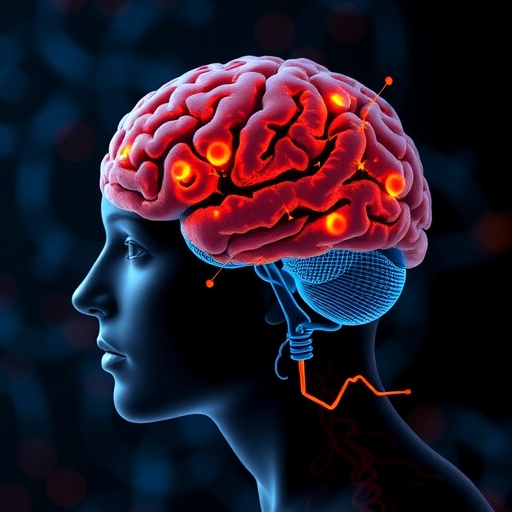
Drug-naïve, first-episode schizophrenia patients may experience subtle brain chemistry disruptions before medication ever begins, according to a new study highlighting glutathione (GSH) redox biology. The research zeroes in on one specific oxidative balance marker—oxidized glutathione (GSSG)—to explain how cellular stress could map onto measurable cognitive difficulties.

Glutathione is the cell’s major small-molecule antioxidant buffer, cycling between reduced (GSH) and oxidized (GSSG) forms. Under normal conditions, the GSH/GSSG ratio helps keep reactive oxygen species in check. When this balance shifts toward oxidation, neurons can face impaired energy metabolism, altered signaling, and vulnerability to oxidative damage.

In the study, investigators assessed glutathione-related redox imbalance in individuals experiencing schizophrenia for the first time, with no prior exposure to antipsychotic drugs. This design reduces a major confound: medication effects that can otherwise blur whether biochemical changes precede symptoms or result from treatment.

The authors report that patterns consistent with increased oxidative pressure—reflected by GSSG-related measures—were associated with cognitive impairment. The findings suggest that redox imbalance is not merely a downstream consequence of chronic disease, but may be present at onset, aligning with theories that early oxidative stress could shape the trajectory of brain function.

Importantly, the work frames cognitive impairment through a biochemical lens. Oxidative shifts can affect synaptic plasticity, including mechanisms related to memory formation and attention. Even modest changes in redox tone may translate into measurable differences on cognitive performance, particularly in networks sensitive to oxidative stress.

By focusing on GSSG, the team provides a more targeted view than studies that treat antioxidant status as a single variable. GSSG is often considered a functional readout of how much antioxidant capacity has been consumed, turning a balance sheet into a more interpretable indicator of cellular stress load.

The study’s emphasis on first-episode, drug-naïve cohorts strengthens the implication that redox dysregulation could represent an early pathogenic process rather than a late-stage marker. If validated in larger samples, GSSG-linked signatures might help stratify patients by biological subtype.

From a translational standpoint, the results raise questions about whether antioxidant modulation could be timed to the earliest stages of schizophrenia. While the current findings do not establish treatment, they sharpen the rationale for testing redox-directed interventions before chronicity and treatment confounds accumulate.

Finally, the work adds to a growing viral-science narrative: that mental disorders may involve measurable molecular disruptions occurring at disease onset. As oxidative chemistry becomes more quantifiable, future studies may connect specific redox trajectories to symptom clusters and cognitive outcomes.

Subject of Research: Glutathione-related redox imbalance and cognitive impairment in drug-naïve, first-episode schizophrenia (focus on GSSG).

Article Title: Glutathione-related redox imbalance and cognitive impairment in drug-naïve, first-episode schizophrenia: a focus on GSSG.

Article References: Jiang, F., Tian, Q., Xu, L. et al. Glutathione-related redox imbalance and cognitive impairment in drug-naïve, first-episode schizophrenia: a focus on GSSG. Schizophr (2026). https://doi.org/10.1038/s41537-026-00784-5

Image Credits: AI Generated

DOI: 10.1038/s41537-026-00784-5

Tags: Antioxidant defense in neuropsychiatric disordersBrain chemistry disruptions in schizophreniaEarly biochemical markers in schizophreniafirst episode schizophrenia biomarkersGlutathione redox imbalanceGSH/GSSG ratio in brain chemistryImpact of redox imbalance on cognitionOxidative damage in untreated schizophreniaOxidative stress and cognitive impairmentoxidative stress and neurodegenerationRole of glutathione in neuronal healthschizophrenia
Share26Tweet16
Previous Post

Megathrust tear faults trigger Omori-like earthquake doublets in subduction zones

Next Post

One-Third of Community Health Centers Still Lack Prenatal Care Services

Related Posts

Teen social bonds and recognition associated with fewer suicidal thoughts
Social Science

Teen social bonds and recognition associated with fewer suicidal thoughts

August 4, 2026
U.S. Urban-Intersecting Fires Grow, While Ecological Recovery Remains Uneven
Social Science

U.S. Urban-Intersecting Fires Grow, While Ecological Recovery Remains Uneven

August 4, 2026
Database tracks kids’ digital media regulation bills across all 50 states
Social Science

Database tracks kids’ digital media regulation bills across all 50 states

August 4, 2026
Consumers Weigh Trust and Benefits of Artificial Intelligence in Healthcare
Social Science

Consumers Weigh Trust and Benefits of Artificial Intelligence in Healthcare

August 4, 2026
Brain scans detect tau accumulation in late-onset psychosis
Social Science

Brain scans detect tau accumulation in late-onset psychosis

August 4, 2026
Is Digital Technology Killing Traditional Romance?
Social Science

Is Digital Technology Killing Traditional Romance?

August 4, 2026
Next Post
One-Third of Community Health Centers Still Lack Prenatal Care Services

One-Third of Community Health Centers Still Lack Prenatal Care Services

  • Mothers who receive childcare support from maternal grandparents show more

    Mothers who receive childcare support from maternal grandparents show more parental warmth, finds NTU Singapore study

    27656 shares
    Share 11059 Tweet 6912
  • University of Seville Breaks 120-Year-Old Mystery, Revises a Key Einstein Concept

    1061 shares
    Share 424 Tweet 265
  • Bee body mass, pathogens and local climate influence heat tolerance

    682 shares
    Share 273 Tweet 171
  • Researchers record first-ever images and data of a shark experiencing a boat strike

    546 shares
    Share 218 Tweet 137
  • Groundbreaking Clinical Trial Reveals Lubiprostone Enhances Kidney Function

    531 shares
    Share 212 Tweet 133
Science

Embark on a thrilling journey of discovery with Scienmag.com—your ultimate source for cutting-edge breakthroughs. Immerse yourself in a world where curiosity knows no limits and tomorrow’s possibilities become today’s reality!

RECENT NEWS

  • Pan-Tropical Ocean Warming Fueled Record April 2024 Rainfall in South China
  • Risk model links intraoperative hypotension to clots after elderly hip surgery
  • How glial cells may drive sleep disruption in Alzheimer’s disease
  • Rice to lead $15 million Army center advancing next-generation sensing, communications

Categories

  • Agriculture
  • Anthropology
  • Archaeology
  • Athmospheric
  • Biology
  • Biotechnology
  • Blog
  • Bussines
  • Cancer
  • Chemistry
  • Climate
  • Earth Science
  • Editorial Policy
  • Marine
  • Mathematics
  • Medicine
  • Pediatry
  • Policy
  • Psychology & Psychiatry
  • Science Education
  • Social Science
  • Space
  • Technology and Engineering

Subscribe to Blog via Email

Enter your email address to subscribe to this blog and receive notifications of new posts by email.

Join 5,148 other subscribers

© 2025 Scienmag - Science Magazine

Welcome Back!

Login to your account below

Forgotten Password?

Retrieve your password

Please enter your username or email address to reset your password.

Log In
No Result
View All Result
  • HOME
  • SCIENCE NEWS
  • CONTACT US

© 2025 Scienmag - Science Magazine

Discover more from Science

Subscribe now to keep reading and get access to the full archive.

Continue reading
