


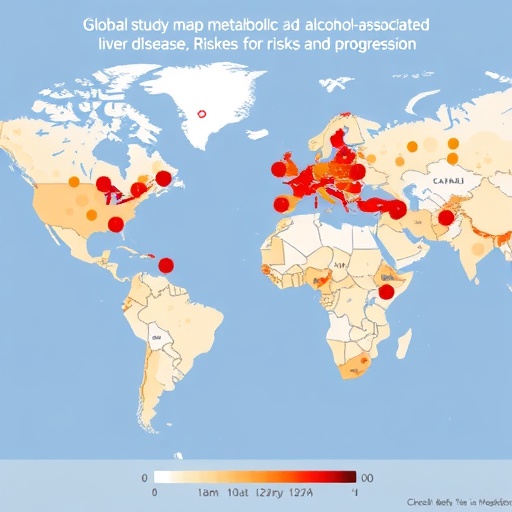
Metabolic and alcohol-associated liver disease, or MetALD, is emerging as one of the most consequential—and least recognized—forms of chronic liver disease worldwide. The condition develops when harmful alcohol exposure overlaps with cardiometabolic risk factors, particularly obesity, type 2 diabetes, hypertension and abnormal blood lipid levels. A new analysis published in Nature Reviews Gastroenterology & Hepatology estimates that MetALD affects approximately 4.1% of the global adult population. That figure places the disease among the major worldwide threats to liver health, while also highlighting a diagnostic problem: many cases may be missed because neither alcohol intake nor early liver injury is reliably captured in routine clinical assessments.
MetALD was formally defined in 2023 as part of a broader effort to move beyond older, mutually exclusive categories of fatty liver disease. Under the newer framework, metabolic dysfunction-associated steatotic liver disease, or MASLD, describes liver fat accumulation associated with cardiometabolic abnormalities in people whose alcohol consumption remains below specified thresholds. MetALD recognizes that some patients have both metabolic dysfunction and alcohol exposure at levels high enough to influence disease biology. This distinction is clinically important because alcohol and metabolic stress do not appear to operate as separate, independent insults. Instead, evidence reviewed by the authors suggests that they can interact synergistically, producing more severe inflammation, fibrosis and long-term liver damage than either factor alone.
The estimated global prevalence of MetALD masks considerable regional variation. Differences in drinking patterns, obesity rates, diabetes prevalence, healthcare access and methods used to measure alcohol consumption all influence the apparent burden of disease. In some populations, alcohol use is relatively common but metabolic risk factors are less prevalent; in others, rising obesity and diabetes coexist with frequent drinking. Urbanization, changes in diet, sedentary lifestyles and the increasing availability of inexpensive alcohol are contributing to overlapping epidemics. Because definitions and survey methods have not been uniform, however, researchers caution that current estimates may be unstable. The 4.1% estimate should therefore be viewed as an important benchmark rather than a final measurement of the disease’s worldwide extent.
One of the most persistent obstacles is the under-reporting of alcohol intake. Patients may minimize consumption because of stigma, fear of judgment or uncertainty about what constitutes a standard drink. Physicians may also fail to ask detailed questions about drinking patterns, including binge episodes and changes over time. As a result, a patient initially classified as having MASLD may actually meet criteria for MetALD. Objective testing can substantially alter that assessment. Phosphatidylethanol, commonly known as PEth, is a direct alcohol biomarker formed in red blood cell membranes when ethanol is present. Unlike indirect markers such as liver enzymes, which can be influenced by many conditions, PEth provides evidence of recent alcohol exposure over a period of roughly weeks. Studies cited in the review indicate that incorporating PEth testing can increase the identification of MetALD by as much as fourfold.
The clinical consequences of this hidden disease category are substantial. Compared with people who have MASLD, individuals with MetALD appear to face a higher risk of progression from simple steatosis to steatohepatitis, advanced fibrosis and cirrhosis. Their risk of hepatocellular carcinoma, the most common primary liver cancer, is also elevated, as is the likelihood of major adverse liver outcomes such as liver failure, portal hypertension and liver-related death. Alcohol can directly injure hepatocytes, alter the intestinal barrier and promote the movement of inflammatory bacterial products from the gut into the liver. At the same time, obesity and insulin resistance increase fatty acid delivery to the liver, disrupt mitochondrial energy production and intensify oxidative stress. Together, these processes can activate hepatic stellate cells, the cells primarily responsible for producing the scar tissue that drives fibrosis.
The interaction between alcohol and cardiometabolic risk factors may explain why MetALD can progress more rapidly than expected from either exposure alone. Chronic alcohol use changes lipid metabolism and can promote the accumulation of toxic fat molecules inside hepatocytes. Insulin resistance further increases fat synthesis while impairing the liver’s ability to export or burn fatty acids. Adipose tissue dysfunction adds another layer of injury: enlarged fat cells release inflammatory mediators and free fatty acids into the circulation, creating a persistent metabolic signal that reaches the liver. Alcohol-related changes in the gut microbiome and intestinal permeability may amplify this response. The resulting inflammatory environment can accelerate the transition from steatosis to steatohepatitis and fibrosis, although the precise molecular interactions remain an active area of research.
The review also points to a practical route for improving diagnosis through risk-based screening. Rather than testing every adult indiscriminately, clinicians could prioritize people with combinations of obesity, diabetes, elevated liver enzymes, hypertension, known fatty liver or regular alcohol consumption. Initial evaluation can include simple blood-based non-invasive tests, such as the fibrosis-4 index, which uses age, aminotransferase levels and platelet count to estimate the likelihood of advanced fibrosis. Patients with indeterminate or high scores may then undergo liver stiffness measurement by transient elastography or other imaging techniques. Advanced serum biomarkers and imaging platforms that quantify fibrosis could provide additional information for people whose initial results are difficult to interpret. Cost-effectiveness analyses cited by the authors suggest that this staged approach may identify high-risk patients while limiting unnecessary specialist referrals and invasive procedures.
Screening will be effective only if it measures both dimensions of the disease. A liver-focused consultation that records body weight, waist circumference, diabetes status and cardiovascular risk should also document the amount, frequency and pattern of alcohol use. When the history is uncertain, biomarkers such as PEth may provide a more objective estimate. Detecting MetALD can change clinical management because reducing alcohol exposure is not equivalent to treating metabolic risk alone. Patients may need structured alcohol counseling or addiction services alongside weight-management programs, diabetes treatment, nutritional intervention and physical activity. The diagnosis also creates an opportunity to assess cardiovascular risk, which remains a major cause of illness and death in people with steatotic liver disease. A coordinated approach is therefore essential, rather than placing responsibility exclusively on hepatology or primary care.
Therapeutic options for MetALD remain an important research frontier. Lifestyle intervention is currently central: sustained reductions in alcohol consumption, weight loss, improved glycemic control and increased physical activity can reduce hepatic fat and may slow fibrosis progression. Yet the review emphasizes that evidence from clinical trials often comes from patients with either metabolic disease or alcohol-associated liver disease, not from those with both. This limits certainty about how existing medicines perform in MetALD. Future trials will need to recruit participants across the full spectrum of alcohol use and metabolic dysfunction, measure alcohol exposure objectively and evaluate meaningful outcomes such as fibrosis regression, cirrhosis complications and liver cancer. Treatments that target insulin resistance, inflammation, lipid metabolism and alcohol-related injury may eventually need to be combined rather than used in isolation.
The authors identify several priorities for closing the knowledge gap. Researchers must refine global prevalence estimates, establish consistent alcohol and biomarker cut-offs, and determine how MetALD changes over time as drinking patterns, weight and diabetes status fluctuate. Longitudinal studies are needed to clarify which combinations of alcohol exposure and cardiometabolic risk produce the greatest danger, and to validate non-invasive tools that can predict cirrhosis and liver cancer before irreversible damage occurs. Standardized PEth testing could improve case detection, but its interpretation must account for timing, repeated exposure and differences in individual biology. As obesity, diabetes and alcohol consumption continue to overlap in populations around the world, MetALD is likely to become increasingly visible in clinics. Recognizing the condition—and treating its metabolic and alcohol-related causes together—could be critical to preventing a rapidly expanding burden of advanced liver disease.
Cite Scienmag News
Nathaniel Bowman. (August 18, 2026). Global Study Maps Metabolic and Alcohol-Associated Liver Disease Risks and Progression. Scienmag. https://scienmag.com/global-study-maps-metabolic-and-alcohol-associated-liver-disease-risks-and-progression/
Nathaniel Bowman. "Global Study Maps Metabolic and Alcohol-Associated Liver Disease Risks and Progression." Scienmag, 18 August 2026, https://scienmag.com/global-study-maps-metabolic-and-alcohol-associated-liver-disease-risks-and-progression/. Accessed 4 September 2026.
Nathaniel Bowman. "Global Study Maps Metabolic and Alcohol-Associated Liver Disease Risks and Progression." Scienmag. August 18, 2026. https://scienmag.com/global-study-maps-metabolic-and-alcohol-associated-liver-disease-risks-and-progression/


