


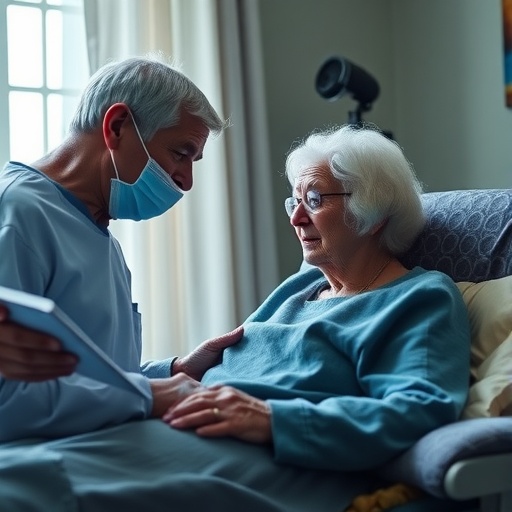
In an era where the aging population is growing rapidly, research focusing on geriatric health outcomes is becoming increasingly vital. A recently published study sheds light on a less-explored area: the decomposition processes and medicolegal autopsy findings in non-traumatic deaths occurring at home among the elderly. This piece of research, led by Vural and Kalkan, aims to elucidate the histopathological aspects of such deaths, contributing significantly to public health discussions surrounding the end-of-life care for older adults.
The prevalence of in-home deaths among the geriatric population is indicative of a broader trend within healthcare, where many elderly individuals opt for a familiar environment during their final moments. However, understanding the implication of these deaths from a medicolegal perspective remains underappreciated. The study conducted in 2026 offers a comprehensive examination of the decomposition stages and the pathological findings gleaned from medicolegal autopsies performed on these cases, revealing insights that could aid public health officials and caregivers alike.
One of the critical aspects investigated in this study is the biological process of decomposition that follows death. Decomposition occurs as microbial activity breaks down tissues, and this process can vary significantly based on a multitude of factors including temperature, humidity, and the person’s health prior to death. The research emphasizes that understanding these factors can be crucial not only for forensic investigations but also for public health strategies aimed at improving the quality of life and care for the elderly.
The medicolegal autopsy serves a dual purpose in this context. While primarily focused on determining the cause of death, these examinations also yield valuable information about the deceased’s health status prior to death. The authors underscore that findings from such autopsies can help identify prevalent health issues within the geriatric community, ultimately guiding healthcare providers towards more effective interventions and preventive measures.
Furthermore, the study tackles the stigma surrounding death, particularly in the elderly population. Many caregivers and family members may struggle with the aftermath of a home death, leading to a lack of discussion about the subject. This research intends to normalize conversations around geriatric end-of-life scenarios and promote understanding of the physiological processes involved. By doing so, the authors hope to foster a more supportive environment for families grappling with the complexities of in-home deaths.
In terms of histopathological findings, the study reveals fascinating insights into the common ailments that predispose elderly individuals to non-traumatic home deaths. Various conditions, such as heart disease, renal failure, and neurodegenerative disorders, were frequently encountered in autopsy specimens. This correlation between histopathological observations and prevalent diseases serves as a reminder of the importance of geriatric care that prioritizes chronic illness management and symptoms alleviation.
Concurrently, the researchers highlight the public health implications of their findings. Understanding the most frequent causes of in-home deaths among older adults can assist in devising targeted health policies aimed at reducing mortality rates linked to these conditions. Furthermore, the accumulation of such research allows for comparative studies in diverse demographics, ultimately enriching our understanding of geriatric health outcomes on a global scale.
Moreover, the decomposition and autopsy findings presented in the study further reiterate the need for improved training and resources for medical personnel engaged in geriatric care. The complexity of aging populations necessitates comprehensive education that encompasses various facets, including the medicolegal implications of death, to better prepare healthcare professionals for the reality of their work.
The role of decomposition in medicolegal investigations cannot be overlooked. The study sheds light on how understanding the stages of decomposition can assist forensic teams in establishing timelines and assessing foul play. By marrying this knowledge with the insights garnered from autopsy findings, the study offers a well-rounded approach to investigating geriatric deaths that prioritizes both scientific rigor and compassion.
Importantly, Vural and Kalkan advocate for increased research collaboration among forensic experts, healthcare providers, and public health officials. As the aging population continues to rise, a multidisciplinary approach to understanding geriatric deaths is essential. Connecting the dots between autopsy findings and community health statistics will be vital in forming proactive measures aimed at improving the care provided to older adults.
Ultimately, this study poses significant questions about how society views death and the elderly. By shining a light on the often-ignored subject of in-home deaths, Vural and Kalkan challenge us to confront our fears and examine the realities faced by our aging loved ones. Engaging in these difficult discussions can enhance public awareness and provide the groundwork for better policy-making in health care for elderly individuals.
The insights drawn from this 2026 research on geriatric in-home non-traumatic deaths, ranging from the complexities of decomposition to the nuances of histopathological findings, serve a greater purpose. They inject a sense of urgency into the conversation surrounding elder care and public health, urging stakeholders to prioritize evidence-based policy changes that honor the dignity and respect that all individuals deserve as they approach the end of their lives.
With the landscape of geriatric healthcare evolving rapidly, it is imperative that such studies continue to address both the biological and societal aspects of elderly care. The ongoing discourse stemming from Vural and Kalkan’s groundbreaking research will surely resonate within the public health framework, fostering a deeper understanding of the needs of our aging population.
In conclusion, the publication represents a significant step toward bridging the gap between medicolegal investigations and public health. By fostering dialogue, enhancing education, and improving understanding, future research can transform the landscape of elder care, ensuring that the realities of geriatric deaths are met with compassion, competence, and comprehensive care.
Vural, T., Kalkan, S.A. Decomposition and medicolegal autopsy in geriatric in‑home non‑traumatic deaths: histopathological findings and a public health perspective. BMC Geriatr (2026). https://doi.org/10.1186/s12877-026-07126-1
Cite Scienmag News
Beatrice Stafford. (February 5, 2026). Geriatric In-Home Deaths: Insights from Autopsy Findings. Scienmag. https://scienmag.com/geriatric-in-home-deaths-insights-from-autopsy-findings/
Beatrice Stafford. "Geriatric In-Home Deaths: Insights from Autopsy Findings." Scienmag, 5 February 2026, https://scienmag.com/geriatric-in-home-deaths-insights-from-autopsy-findings/. Accessed 3 September 2026.
Beatrice Stafford. "Geriatric In-Home Deaths: Insights from Autopsy Findings." Scienmag. February 5, 2026. https://scienmag.com/geriatric-in-home-deaths-insights-from-autopsy-findings/


