


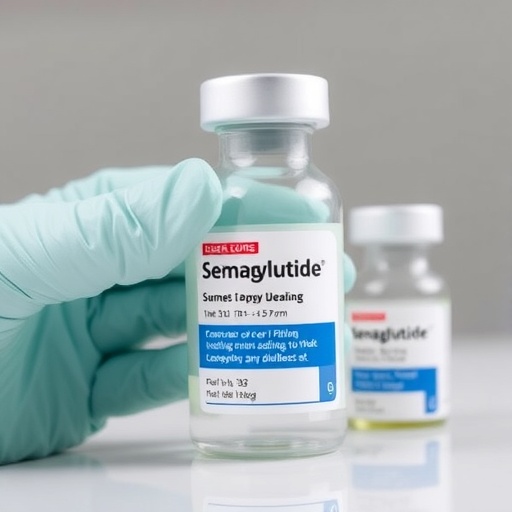
Generic semaglutide is starting to rewrite the economics of type 2 diabetes care in Canada. A new analysis published in the Canadian Journal of Cardiology reports that once generic versions enter the market, prices could fall by as much as 70%, with major downstream effects for health-system budgets and patient access.
The study focuses on people living with type 2 diabetes who also carry high cardiorenal risk—exactly the group targeted by modern Canadian and international guidance. Clinicians increasingly recommend initiating a GLP-1 receptor agonist and/or an SGLT2 inhibitor, independent of whether blood glucose targets have already been reached. For payers, however, the barrier has been straightforward: brand-name drug costs.
Researchers estimate that 1.3 to 2.1 million Canadians meet eligibility criteria for GLP-1RA or SGLT2i use under the Canadian Cardiovascular Society framework. At pre-generic 2025 semaglutide prices, covering all indicated patients would cost roughly $3.35 to $5.31 billion annually, typically absorbed by provincial plans or private insurers, and sometimes paid out of pocket when coverage is absent.
Using a health economic microsimulation model, the team projected lifetime costs and health outcomes, including quality-adjusted life years (QALYs), for this high-risk cohort. The simulations also accounted for the evolving burden of cardiovascular and renal comorbidities—conditions that GLP-1RAs and SGLT2 inhibitors aim to prevent or delay.
To evaluate value in a Canadian context, the authors applied the commonly used cost-effectiveness benchmark of $50,000 per QALY. They then tested how results change across a range of hypothetical generic pricing scenarios.
The modeling suggests that at a 60% price reduction, combined GLP-1RA and SGLT2i treatment could become the preferred strategy compared with using either therapy alone or other standard options. At a 70% reduction, GLP-1RA on its own appears cost-effective versus non–SGLT2i standard of care, while dual therapy remains the most economically compelling approach.
Importantly, the researchers argue that if reimbursement rules are tied to glycemic failure rather than to cardiorenal risk, payers may be missing an opportunity. Generic pricing could strengthen the rationale for aligning coverage with guideline recommendations.
Overall, the findings are positioned as actionable evidence for reimbursement and formulary decisions now that generic semaglutide availability is reducing financial uncertainty. The authors suggest the results could translate to other countries once generic GLP-1RA products reach their markets, potentially improving life quality, reducing hospitalizations, and slowing progression toward heart failure and kidney disease.
Cite Scienmag News
Courtney Benton. (July 26, 2026). Generic semaglutide availability may lower barriers to affordable diabetes care. Scienmag. https://scienmag.com/generic-semaglutide-availability-may-lower-barriers-to-affordable-diabetes-care/
Courtney Benton. "Generic semaglutide availability may lower barriers to affordable diabetes care." Scienmag, 26 July 2026, https://scienmag.com/generic-semaglutide-availability-may-lower-barriers-to-affordable-diabetes-care/. Accessed 4 September 2026.
Courtney Benton. "Generic semaglutide availability may lower barriers to affordable diabetes care." Scienmag. July 26, 2026. https://scienmag.com/generic-semaglutide-availability-may-lower-barriers-to-affordable-diabetes-care/


