

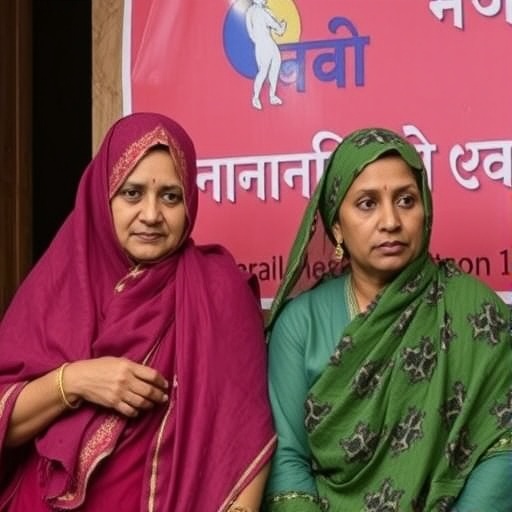
In the realm of mental health, a pressing concern emerges as researchers delve into the intricacies of gender differences in common mental disorders. A recent groundbreaking study conducted in Bangladesh sheds light on these disparities and emphasizes the critical barriers that exist in accessing essential mental healthcare services. This research provides a nuanced understanding of how societal norms, economic factors, and cultural expectations shape the mental health landscape for men and women differently.
The study, led by a team of esteemed researchers including Saif, S.I., Kushal, S.A., and Amin, Y.M., highlights significant distinctions in the prevalence of mental disorders between genders. While women tend to experience higher rates of anxiety and depression, men are often more affected by substance abuse disorders. This divergence not only reflects biological and psychological differences but also underscores the impact of societal roles and expectations. The psychological ramifications of these findings reveal a broader narrative around how mental health is perceived and treated in different demographics.
One of the most alarming findings from the study is the stark inequity in access to mental healthcare services. Despite the rising awareness surrounding mental health issues, many individuals are still unable to seek help due to various barriers. This research identifies key obstacles, including stigma, inadequate healthcare infrastructure, and a lack of trained mental health professionals. In cultures like Bangladesh, where traditional values often dictate perceptions of mental illness, many people refrain from discussing their struggles openly.
The cultural context plays a crucial role in how mental health is approached in Bangladesh. Gender norms frequently dictate that men should remain stoic and unemotional, while women often shoulder familial and societal pressures that exacerbate their mental health challenges. These entrenched beliefs can prevent individuals from acknowledging their mental health needs or seeking appropriate treatment, indicating a profound disparity in how different genders navigate mental wellness.
Furthermore, the study reveals the economic implications of untreated mental health disorders. Mental illness can significantly hinder an individual’s ability to work and contribute economically, thereby affecting not only the person but also their families and communities. The authors argue that investing in mental health services is not merely a health issue but also a crucial economic strategy for development. By enhancing mental health care access, Bangladesh could potentially alleviate some of the burdens stemming from untreated mental disorders.
Health professionals are now being called to action to address these disparities. Their involvement is pivotal in reshaping the mental health landscape to be more inclusive and responsive to gender-specific needs. Initiatives to train healthcare workers in gender-sensitive approaches could foster a more supportive environment that encourages individuals to seek help without fear of judgment. With the right training and resources, these professionals can better understand and address the unique challenges faced by men and women in their mental health journeys.
The researchers also stress the importance of community-based interventions. Localized mental health programs that are culturally sensitive can help bridge the gap between services and the individuals who need them most. By engaging community leaders and utilizing local resources, mental health initiatives can gain momentum and build trust within communities. These interventions can empower individuals to speak out about their mental health issues, creating a ripple effect that encourages others to do the same.
In light of these findings, policymakers must also play a pivotal role in addressing mental health inequities. The implementation of policies that promote mental health education and enhance the availability of services is paramount. Efforts should be directed towards integrating mental health care into primary health services, ensuring that it is accessible to all, regardless of gender. By building a robust mental health framework, Bangladesh can foster an environment where every individual has the opportunity to thrive psychologically.
As this study gains traction, it has the potential to influence future research direction in the field of gender and mental health. The identification of these disparities opens new avenues for exploration, prompting additional studies to examine the long-term impacts of gender-specific mental health treatment approaches. Researchers are encouraged to delve deeper, exploring intersections with other demographic factors such as socioeconomic status, urban versus rural living, and educational background.
Moreover, the call for increased awareness regarding mental health issues transcends geographical boundaries, resonating with global audiences. This research is not merely a regional concern but has implications that echo across various cultures and nations grappling with similar dynamics. The findings prompt a collective responsibility towards fostering a more inclusive dialogue on mental health, urging societies to confront stigmas and advocate for equitable access to resources.
As discussions around mental health continue to evolve, it is imperative to prioritize gender-sensitive approaches that recognize and address the unique experiences of men and women. Such an approach not only promotes equality but also acknowledges the diverse tapestry of mental health experiences across the globe. The journey towards mental wellness is complex and multifaceted, yet with increased awareness, targeted interventions, and community engagement, progress can undoubtedly be made.
In conclusion, the study by Saif, S.I., Kushal, S.A., and Amin, Y.M. offers invaluable insights into the intricate relationship between gender and mental health in Bangladesh. By highlighting the disparities and barriers that exist, this research acts as a catalyst for change, calling for a concerted effort from individuals, communities, and policymakers alike. As we strive for a future where mental health services are accessible and equitable, we must acknowledge the unique challenges faced by diverse populations and work collaboratively towards a more inclusive mental health paradigm.
Subject of Research: Gender differences in common mental disorders and inequities in access to mental healthcare services
Article Title: Gender differences in common mental disorders and inequities in access to mental healthcare services in Bangladesh
Article References:
Saif, S.I., Kushal, S.A., Amin, Y.M. et al. Gender differences in common mental disorders and inequities in access to mental healthcare services in Bangladesh.
Discov Ment Health (2025). https://doi.org/10.1007/s44192-025-00341-z
Image Credits: AI Generated
DOI:
Keywords: Gender differences, mental health, Bangladesh, mental healthcare access, common mental disorders.


