


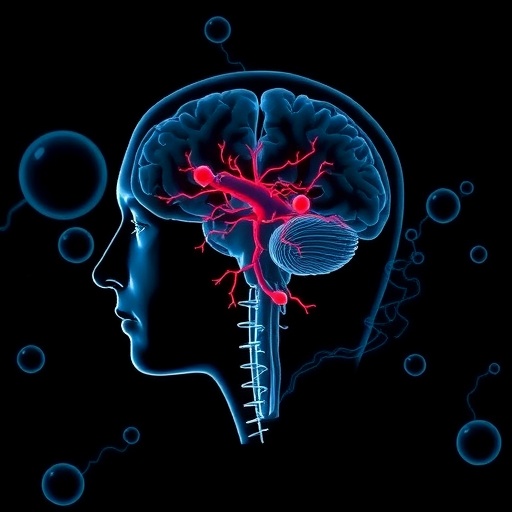
Recent advancements in neurovascular research have unveiled critical insights into the sex-specific differences in the presentation of intracranial aneurysms (IAs) and their subsequent ruptures. These discoveries shed light on the underlying biological and physiological mechanisms that differentiate male and female patients, emphasizing the importance of tailored approaches in medical treatment and risk assessment. A retrospective cohort study conducted by Taduka, Garigapuram, and Katore has brought these revelations to the forefront, analyzing vast demographic data to offer a compelling narrative about the realities faced by patients with IAs.
The study meticulously gathered data from diverse clinical settings, focusing on various patient characteristics, aneurysm features, and outcomes. This comprehensive approach not only identified significant differences in rupture rates between genders but also exposed variances in initial presentation—a crucial factor in determining patient care strategies. Researchers discovered that women, for instance, presented with symptoms and aneurysms that differed markedly from their male counterparts, thus indicating a potential gap in awareness and diagnosis among healthcare professionals.
This analysis highlights a troubling discrepancy: while the overall prevalence of IAs may not differ vastly between sexes, the consequences of these aneurysms do. Women were found to experience ruptures at an older age compared to men, suggesting hormonal or genetic factors might play a role in the development and progression of these vascular abnormalities. Furthermore, the clinical presentation upon admission varied, with females often experiencing more severe symptoms at the time of rupture, which could impact their treatment trajectory.
The research also delves into the performance of various predictive models used to assess the risk of IA rupture. The findings challenge previously held notions about gender-neutral risk assessments and accentuate the necessity for models that consider sex-specific factors. By integrating sex as a biological variable into predictive models, clinicians can better stratify patient risk and personalize interventions, potentially improving outcomes for both men and women suffering from IAs.
Interestingly, the authors of the study also emphasize the need for increased awareness and education surrounding the presentation of IAs among the general population. By raising awareness of the signs and symptoms of a potential aneurysm rupture, particularly in women, earlier diagnosis could be achieved, and proactive measures could be implemented to reduce morbidity and mortality associated with this condition. This public health message is paramount, as awareness could lead to quicker responses to rupture symptoms, potentially saving lives.
The retrospective nature of this cohort study brings both strengths and limitations to the research. While the breadth of data allows for robust analyses, the authors note potential biases inherent in relying on historical data, such as variations in documentation and the completeness of medical records. Thus, it is essential to interpret the results with caution, recognizing the need for future prospective studies that can validate these findings in varied populations and settings.
Importantly, the research underscores the necessity for a multidisciplinary approach to the management of IAs. Neurologists, neurosurgeons, and healthcare practitioners must collaborate to develop comprehensive care models that account for these sex-specific differences. This might include tailored screening protocols and intervention strategies that align with the profile of risk factors unique to each gender, maximizing patient safety and therapeutic efficacy.
As the medical community strives to implement these findings into clinical practice, there exists a growing imperative for further research in this domain. Investigating the underlying biological mechanisms that contribute to differences in IA presentation and rupture risk is crucial. Future studies could explore hormonal influences, genetic predispositions, and environmental factors that may interplay in the pathophysiology of IAs in different sexes, potentially illuminating new avenues for therapeutic development.
Given the evolving landscape of medical research and practice, it is vital for specialists in neurovascular medicine to keep abreast of emerging studies like this one, which offer groundbreaking insights into patient care. Education around the gender-specific challenges of IA not only enriches the clinical knowledge base but also empowers patients, ensuring they are proactive in seeking medical attention when faced with alarming symptoms.
In conclusion, the findings presented by Taduka et al. serve as a clarion call to the medical community. With an increasing recognition of the role that sex plays in health and disease, stakeholders must prioritize the incorporation of gender-sensitive protocols in the assessment and management of intracranial aneurysms. Through enhanced understanding, proactive management, and awareness, it is possible to positively influence outcomes for individuals affected by this often-overlooked yet critical health issue.
Finally, as further research illuminates the nuances of sex-specific differences in neurovascular health, we anticipate seeing progressive changes in the standards of care, leading to improved strategies for prevention, diagnosis, and treatment of intracranial aneurysms. These evolving paradigms will be essential in improving the quality of life for patients and mitigating the life-altering impacts of aneurysm ruptures.
Taduka, H.K., Garigapuram, P.R., Katore, S. et al. Sex-Specific Differences in Intracranial Aneurysm Rupture Presentation and Model Performance: Evidence from a Retrospective Cohort.
Ann Biomed Eng (2025). https://doi.org/10.1007/s10439-025-03934-5
Cite Scienmag News
Ophelia Keating. (December 12, 2025). Gender Differences in Aneurysm Rupture Symptoms Revealed. Scienmag. https://scienmag.com/gender-differences-in-aneurysm-rupture-symptoms-revealed/
Ophelia Keating. "Gender Differences in Aneurysm Rupture Symptoms Revealed." Scienmag, 12 December 2025, https://scienmag.com/gender-differences-in-aneurysm-rupture-symptoms-revealed/. Accessed 4 September 2026.
Ophelia Keating. "Gender Differences in Aneurysm Rupture Symptoms Revealed." Scienmag. December 12, 2025. https://scienmag.com/gender-differences-in-aneurysm-rupture-symptoms-revealed/


