

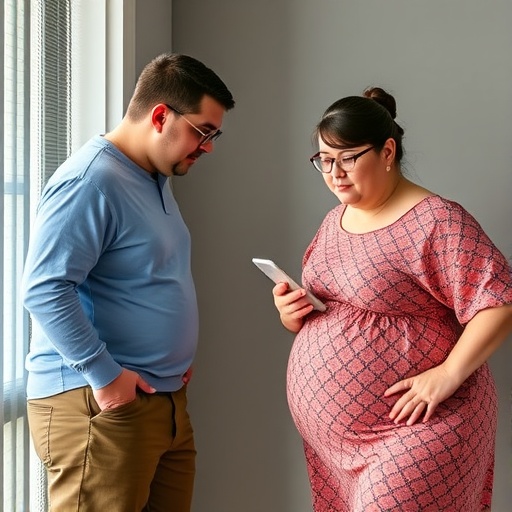
In an era where digital health is rapidly transforming medical care, the preferences of patients regarding telehealth utilization have become a critical area of inquiry, particularly among populations facing unique challenges. A groundbreaking new study published in the International Journal of Obesity sheds light on how weight bias internalization (WBI) influences healthcare preferences among people with obesity (PWO), revealing notable sex differences that could reshape the approach to telehealth services. This research not only deepens our understanding of psychological impacts related to obesity but also highlights the nuanced ways in which these factors affect telemedicine engagement after metabolic and bariatric surgery (MBS).
Weight bias—the negative attitudes and stereotypes directed toward individuals because of their weight—is a pervasive social issue that extends beyond stigma to affect mental and physical health outcomes. When individuals internalize these biases, known as weight bias internalization, they accept and apply these negative stereotypes to themselves, which can exacerbate feelings of shame, decreased self-worth, and lower engagement with healthcare. The study by Olaniran, Neti, Polavarapu, and colleagues analyzes how this internalization differentially affects men and women who have undergone metabolic and bariatric surgery, a population already navigating significant lifestyle changes and medical follow-up.
The research draws on a racially and ethnically diverse cohort, adding valuable insight into how intersectional identities intersect with experiences of bias and healthcare preferences. Importantly, the study focuses on PWO post-MBS, a group for whom ongoing medical support is crucial to maintaining health improvements and preventing weight regain. The use of telehealth services has surged during and after the COVID-19 pandemic, and understanding barriers or preferences unique to this population is vital for optimizing care delivery models.
One of the most striking findings centers on the marked sex differences in the degree of weight bias internalization and how it shapes comfort and willingness to engage with telehealth. The data indicate that women with obesity report significantly higher levels of WBI compared to their male counterparts. This internalized stigma appears to correlate with a preference for telehealth modalities, which might offer a perceived protective barrier against the weight-based judgment they fear encountering in face-to-face medical settings.
Conversely, men, while experiencing WBI as well, show a different relationship to telehealth utilization preferences. The findings suggest that men’s preferences for in-person care environments prevail, potentially reflecting different social conditioning regarding body image or variations in how weight-related stigma is processed internally. These contrasting tendencies underscore the need for sex-specific strategies when designing telehealth frameworks and communication approaches in obesity care.
The implications of these discoveries reverberate through the broader healthcare system, revealing how unspoken psychosocial factors can influence treatment adherence and patient-provider interactions. If PWO, especially women, avoid in-person visits due to anticipated stigma, essential support mechanisms might be underutilized, risking poorer long-term outcomes despite advances in surgical intervention. Telehealth could thus serve as a critical innovation to bridge this gap if tailored appropriately.
However, the study cautions against a one-size-fits-all narrative. Telehealth, while promising, may not suffice to fully address the complexities of WBI. For instance, persistent internalized weight bias may still affect self-efficacy in managing health remotely or lead to disengagement from follow-up care. This underscores the imperative to embed psychological support and stigma reduction interventions within both virtual and traditional healthcare pathways to empower PWO in sustaining their health journeys.
Researchers employed validated scales to measure WBI and carefully assessed telehealth preference, considering factors such as comfort with technology, access issues, and perceived quality of care. Their methodological rigor ensures that these findings provide a robust foundation for future intervention development. Importantly, this study adds to the limited but growing literature that considers gender as a critical variable in obesity research, moving beyond the dominant clinical and biological paradigms.
The racial and ethnic diversity of the sample adds another dimension to the discourse on health equity. Structural barriers and cultural attitudes toward weight and healthcare further compound WBI’s impact, suggesting telehealth strategies must also be culturally sensitive and socially attuned. Community engagement and culturally tailored messaging emerge as key considerations for implementation.
From a clinical perspective, these insights challenge providers to reconsider patient engagement strategies. Training healthcare professionals to recognize and mitigate weight bias—both externally and within clinical dialogues—could substantially improve the therapeutic alliance and patient retention. Furthermore, integrating screening for WBI into routine care could serve as a proactive measure to identify patients who might benefit from tailored telehealth services or psychosocial interventions.
The authors advocate for a research and practice ecosystem that centers the lived experiences of PWO and integrates resistance to societal stigma into healthcare design. This aligns with the broader movement toward patient-centered care and acknowledges the profound influence of psychosocial determinants on health behaviors and outcomes.
Innovation in telehealth technology could also be leveraged to create more personalized and stigma-sensitive platforms. For example, employing anonymous or group-based support technologies where PWO can interact without fear of judgment might enhance engagement. Simultaneously, virtual care must ensure it does not inadvertently reinforce isolation but fosters connection and empowerment.
Public health messaging must evolve in parallel with these scientific insights. Raising awareness about weight bias, promoting supportive environments, and encouraging healthcare systems to be mindful of psychological barriers represent critical steps toward equity. As telehealth continues to expand, informed policy that incorporates these findings will be essential to optimize accessibility and impact.
Ultimately, this seminal study heralds a shift in obesity care, urging stakeholders to recognize WBI not just as a psychological burden but as a modifiable influencer of health-seeking behavior. It compels the healthcare community to innovate inclusively, ensuring that the digital transformation of medicine addresses the unique challenges faced by PWO and promotes equitable, compassionate, and effective care. As the landscape of telehealth grows, embracing these complexities will be vital to harnessing its full potential for millions managing obesity worldwide.
Subject of Research:
Influence of weight bias internalization on telehealth utilization preferences among people with obesity, with a focus on sex differences.
Article Title:
Sex differences in the influence of weight bias internalization on preferences for telehealth utilization among people with obesity.
Article References:
Olaniran, M.O., Neti, S., Polavarapu, D. et al. Sex differences in the influence of weight bias internalization on preferences for telehealth utilization among people with obesity. Int J Obes (2025). https://doi.org/10.1038/s41366-025-01977-1
Image Credits:
AI Generated
DOI:
15 December 2025


