


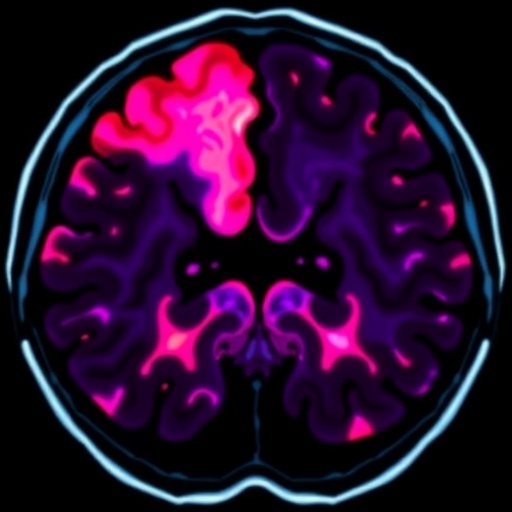
In the rapidly evolving landscape of targeted cancer therapies, the treatment of leptomeningeal metastasis (LM) remains a formidable challenge. A groundbreaking comment published recently in the British Journal of Cancer by Chang, Han, and Xue sheds critical light on the promising yet complex interplay between furmonertinib and bevacizumab in battling TKI-resistant leptomeningeal metastasis. This development offers a fresh perspective on the management of a dire clinical condition that afflicts a significant subset of patients with advanced non-small cell lung cancer (NSCLC).
Leptomeningeal metastasis, characterized by the dissemination of tumor cells into the leptomeninges, has historically been associated with dismal survival rates and limited therapeutic options. The blood-brain barrier (BBB) poses a substantial obstacle to effective drug delivery, complicating treatment efforts. Epidermal growth factor receptor (EGFR) tyrosine kinase inhibitors (TKIs) have revolutionized NSCLC therapy, but resistance invariably emerges, particularly in the context of LM, necessitating novel therapeutic strategies. Furmonertinib, a third-generation EGFR TKI, has been developed to overcome resistance mutations such as T790M, and its ability to penetrate the central nervous system (CNS) renders it a promising candidate for LM treatment.
The commentary by Chang et al. critically examines the synergistic potential of combining furmonertinib with bevacizumab, an anti-angiogenic monoclonal antibody targeting vascular endothelial growth factor (VEGF). Bevacizumab’s mechanism of normalizing tumor vasculature and reducing peritumoral edema could theoretically enhance drug delivery across the BBB, augmenting furmonertinib’s CNS efficacy. This dual therapeutic approach addresses both tumor cell proliferation and the aberrant tumor microenvironment, a multifaceted assault that could significantly impede disease progression.
Chang and colleagues underscore that while the initial clinical findings reported by Wang et al. suggest enhanced progression-free survival with the combination therapy in TKI-resistant LM cases, rigorous mechanistic studies are needed to unravel the intracellular signaling dynamics influenced by this regimen. The interplay between VEGF-mediated angiogenesis and EGFR-driven oncogenic signaling creates a complex network where targeted intervention requires precise modulation to avoid compensatory pathways that confer drug resistance.
The pharmacokinetic profile of furmonertinib plays a pivotal role in its clinical utility against LM. Unlike earlier generation TKIs, furmonertinib demonstrates enhanced BBB permeability, achieving therapeutic concentrations within cerebrospinal fluid (CSF). This characteristic is crucial given that LM pathology involves diffuse infiltration of the leptomeninges, rendering localized interventions ineffective. The addition of bevacizumab may improve microvascular stability, potentially preventing further metastasis and facilitating sustained drug presence in the CNS.
Moreover, Chang et al. highlight the importance of considering the molecular heterogeneity of LM. Tumor cells within the leptomeningeal space can harbor diverse genetic mutations and adapt dynamically to therapeutic pressures. Therefore, the synergistic potential of furmonertinib plus bevacizumab might depend heavily on patient-specific molecular profiles, necessitating personalized therapeutic approaches guided by advanced genomic and proteomic analyses.
The commentary also prompts the scientific community to revisit the role of the tumor microenvironment in LM progression. Beyond angiogenesis, the immunosuppressive milieu created by VEGF signaling impairs immune cell infiltration and activation. By inhibiting VEGF, bevacizumab could potentially reprogram the microenvironment to become more conducive to anti-tumor immune responses, possibly enhancing the efficacy of concurrent or subsequent immunotherapies.
Furthermore, the authors discuss safety considerations associated with the combination therapy. Bevacizumab’s known adverse effects, including hypertension, thromboembolic events, and impaired wound healing, require vigilant monitoring, especially in patients with compromised neurological status. Integrating furmonertinib necessitates careful dose adjustments and management of overlapping toxicities to maintain patient quality of life.
Chang et al. emphasize that the clinical translation of furmonertinib plus bevacizumab therapy must be supported by large-scale, randomized controlled trials that incorporate robust biomarkers for response prediction. The development of liquid biopsy techniques analyzing CSF-derived circulating tumor DNA (ctDNA) may facilitate real-time monitoring of therapeutic efficacy and resistance emergence, enabling adaptive treatment strategies.
The commentary also draws attention to the potential impact of this combination therapy on overall survival and neurocognitive outcomes. Effective LM treatment that controls tumor burden while preserving neurological function would constitute a paradigm shift, given the current paucity of interventions that extend both lifespan and quality of life in this patient population.
In addition to its clinical implications, this study opens avenues for preclinical research into the molecular crosstalk between EGFR and VEGF signaling cascades within the CNS metastatic niche. Understanding how these pathways interdepend and influence tumor cell survival could uncover new therapeutic targets and resistance mechanisms, broadening the scope of targeted treatments in NSCLC with CNS involvement.
Chang and colleagues urge the oncology community to adopt a multidisciplinary approach integrating neuro-oncology, molecular biology, pharmacology, and immunology to optimize the therapeutic potential of furmonertinib plus bevacizumab. Such collaboration is essential to dismantle the biological barriers impeding effective LM management and to deliver breakthrough therapies to patients facing this devastating complication.
In conclusion, the insightful commentary by Chang, Han, and Xue catalyzes a critical reevaluation of treatment strategies for TKI-resistant leptomeningeal metastasis. The convergence of a potent CNS-penetrant TKI with an anti-angiogenic agent reflects a sophisticated approach aimed at overcoming therapeutic resistance and enhancing drug delivery across the BBB. Continued investigation in this domain promises to refine and expand the armamentarium against this highly aggressive manifestation of metastatic NSCLC, bringing hope to patients and clinicians alike.
Cite Scienmag News
Nathaniel Bowman. (June 11, 2026). Furmonertinib and Bevacizumab Tackle Resistant Leptomeningeal Metastasis. Scienmag. https://scienmag.com/furmonertinib-and-bevacizumab-tackle-resistant-leptomeningeal-metastasis/
Nathaniel Bowman. "Furmonertinib and Bevacizumab Tackle Resistant Leptomeningeal Metastasis." Scienmag, 11 June 2026, https://scienmag.com/furmonertinib-and-bevacizumab-tackle-resistant-leptomeningeal-metastasis/. Accessed 10 September 2026.
Nathaniel Bowman. "Furmonertinib and Bevacizumab Tackle Resistant Leptomeningeal Metastasis." Scienmag. June 11, 2026. https://scienmag.com/furmonertinib-and-bevacizumab-tackle-resistant-leptomeningeal-metastasis/


