


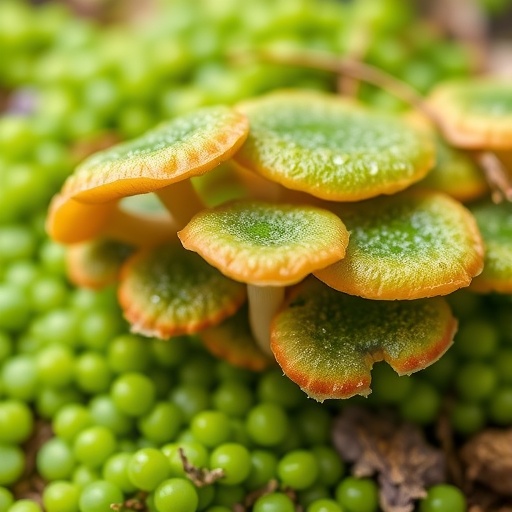
In a groundbreaking study published in Environmental Science and Pollution Research, researchers from Greece have unveiled a novel approach for harvesting the microalga Chlorella sorokiniana. This method leverages the unique capabilities of the edible mushroom Pleurotus ostreatus, commonly known as the oyster mushroom, to effectively extract valuable biomass from microalgal cultures grown in diluted anaerobic digestate. The implications of this research could revolutionize sustainable practices in aquaculture and biofuel production, shedding light on the importance of integrating fungal species into biotechnological applications.
Chlorella sorokiniana is a microalga renowned for its rich nutritional profile, including proteins, lipids, and carbohydrates. It has grown in prominence as a potential candidate for renewable energy production, particularly in the realm of biofuels. However, conventional harvesting techniques often pose significant challenges, including high operational costs and environmental impacts. The innovative approach of utilizing fungi as an ally in biomass recovery could pave the way for more efficient and environmentally friendly methods for microalgal cultivation.
The researchers conducted extensive experiments using dilute anaerobic digestate as a growth medium for Chlorella sorokiniana. Anaerobic digestate, a byproduct of organic waste decomposition, is rich in nutrients that foster the growth of microalgae. By combining microalgal cultivation with waste management practices, the researchers have created a sustainable cycle that not only recovers valuable resources but also reduces environmental burdens associated with waste disposal.
The use of Pleurotus ostreatus in the harvesting process is particularly noteworthy. This specific mushroom species has a unique enzymatic toolkit that enables it to break down complex organic materials. Through its potent enzymatic activity, Pleurotus ostreatus facilitates the release of Chlorella biomass from the surrounding medium. This biotechnological synergy illustrates the potential of employing fungi as biological tools in the extraction of bioresources.
The study’s findings highlight that harvesting efficiency improved significantly when applying fungal-assisted methods compared to traditional mechanical or chemical extraction techniques. The researchers reported a substantial increase in biomass recovery rates, indicating that the incorporation of fungi not only enhances yield but also lowers the energy requirements typically associated with algal biomass harvesting. This represents a critical advancement in the quest for sustainable biomass extraction methodologies.
In the experimental setup, the researchers meticulously monitored variables such as growth rates, biomass density, and the efficiency of the harvesting process. The results revealed that the interaction between Chlorella sorokiniana and Pleurotus ostreatus could lead to synergistic effects that amplify the biomass yield. The researchers noted that this relationship could potentially be scalable, offering insights for future industrial applications.
The environmental implications of this study are profound. By utilizing waste products as growth media and employing fungi for biomass recovery, the researchers are contributing to a circular economy model. This model seeks to mitigate waste generation and promote resource recovery, aligning with global sustainability goals. Moreover, the reduction in chemical usage associated with conventional methods can lead to less environmental pollution, further enhancing the ecological benefits of this approach.
As the world grapples with energy demands and environmental challenges, the potential for integrating microalgae into renewable energy solutions is becoming increasingly evident. Chlorella sorokiniana presents a promising opportunity for biofuel production, and by optimizing harvesting techniques through fungal assistance, researchers are moving closer to making these biofuels more viable and appealing in the energy market.
Future research directions may explore the genetic and metabolic pathways involved in Chlorella’s growth and its interactions with fungi. This could provide deeper insights into optimizing growth conditions and maximizing biomass yields. Additionally, investigating various fungal species for biomass recovery might uncover even more efficient partners, enhancing the overall efficacy of algal cultivation systems.
Public awareness of the benefits of biotechnological applications in environmental remediation and resource recovery is also essential. As knowledge about sustainable practices spreads, it can encourage more significant investments in research and development within this field. Ultimately, this could lead to innovations that drive the broader adoption of sustainable agricultural practices.
In conclusion, the work conducted by Schiza and colleagues signifies a vital step toward advancing the biotechnological applications of microalgae in sustainable energy production. By merging mycology with algal biotechnology, they have opened avenues for novel methodologies that align with global sustainability objectives. The future of renewable energy may very well depend on harnessing the power of nature’s own tools, like fungi, to create a more sustainable world.
This research represents not only a technical advancement but also a philosophical shift in how we view waste and resources. By viewing byproducts of human activity as valuable inputs rather than mere refuse, we can begin to conceptualize fully integrated systems that support both ecological health and human prosperity. With continued focus on such interdisciplinary approaches, the future appears promising for alternative energy solutions and sustainable bioproduction strategies.
While further studies are warranted to optimize these methodologies and adapt them to large-scale operations, the findings present a compelling case for the integration of innovative harvesting techniques involving fungi and microalgae in a bid to address pressing global challenges in energy and environmental sustainability.
In the realm of future advancements, the fusion of traditional practices with modern technology will play a crucial role in shaping our approaches to resource management. Continuous research and collaboration across different scientific disciplines will further equip us with the necessary tools to enhance our capacity to innovate and adapt in response to the evolving landscape of global resource challenges.
Subject of Research:
Fungal-assisted harvesting of Chlorella sorokiniana cultivated in diluted anaerobic digestate using Pleurotus ostreatus.
Article Title:
Fungal-assisted harvesting of Chlorella sorokiniana cultivated in diluted anaerobic digestate using the edible mushroom Pleurotus ostreatus.
Article References:
Schiza, S., Sventzouri, E., Pispas, K. et al. Fungal-assisted harvesting of Chlorella sorokiniana cultivated in diluted anaerobic digestate using the edible mushroom Pleurotus ostreatus.
Environ Sci Pollut Res (2025). https://doi.org/10.1007/s11356-025-37043-6
Image Credits:
AI Generated
DOI:
https://doi.org/10.1007/s11356-025-37043-6
Keywords:
Chlorella sorokiniana, Pleurotus ostreatus, fungal-assisted harvesting, anaerobic digestate, biomass recovery, sustainable energy, biotechnological innovations, microalgae cultivation, circular economy.
Cite Scienmag News
Violet Maxwell. (October 11, 2025). Fungal Aid: Harvesting Chlorella with Edible Mushrooms. Scienmag. https://scienmag.com/fungal-aid-harvesting-chlorella-with-edible-mushrooms/
Violet Maxwell. "Fungal Aid: Harvesting Chlorella with Edible Mushrooms." Scienmag, 11 October 2025, https://scienmag.com/fungal-aid-harvesting-chlorella-with-edible-mushrooms/. Accessed 4 September 2026.
Violet Maxwell. "Fungal Aid: Harvesting Chlorella with Edible Mushrooms." Scienmag. October 11, 2025. https://scienmag.com/fungal-aid-harvesting-chlorella-with-edible-mushrooms/


