


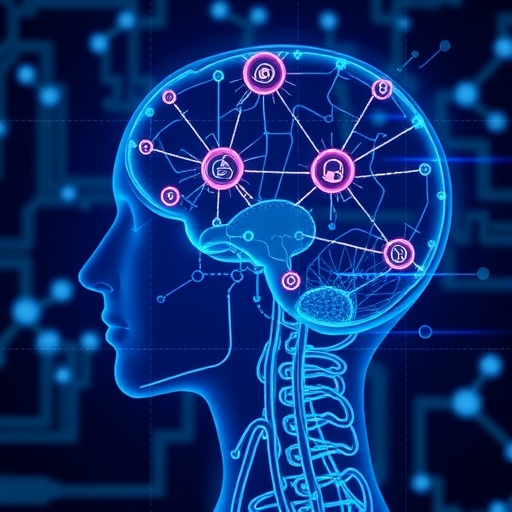
Artificial Intelligence (AI) has emerged as a transformative force in healthcare, holding the potential to revolutionize diagnostic accuracy, efficiency, and patient safety. However, its integration into clinical practice poses challenges that must be carefully addressed. A recent publication sheds light on these intricacies, presenting a framework designed to assist physicians in effectively utilizing AI while preserving their own diagnostic expertise. The research urges healthcare professionals to be mindful of the effects of AI as they navigate the evolving landscape of medical decision-making.
This foundational work moves the conversation beyond mere performance metrics of AI algorithms. Instead, it emphasizes the dynamics of physician-AI interaction, specifically how AI can serve as a supportive tool rather than a substitute for human judgement. The team, led by Dr. Joann G. Elmore from the University of California, Los Angeles, has articulated five pivotal questions that healthcare professionals should consider when integrating AI into their diagnostic processes.
At the heart of these inquiries lies the question of information presentation. The format in which AI delivers data can significantly influence a physician’s attention and diagnostic accuracy. Will information be presented immediately, potentially fostering a biased interpretation? Or will it be available upon request, allowing for deeper engagement in the diagnostic process? Such considerations are critical for optimizing AI’s role in clinical settings.
Furthermore, understanding how AI systems arrive at their decisions can illuminate the path to more nuanced interpretations of complex medical data. Highlighting the features that were factored into AI decisions can enhance collaboration between man and machine. An effective AI model should provide ‘what-if’ scenarios that resonate with physicians’ clinical reasoning, bridging the gap between artificial intelligence and the nuanced realities of patient care.
The risks of over-reliance on AI cannot be overlooked. If physicians lean too heavily on these tools, there is a danger that they might forgo their own critical thinking processes, possibly allowing a diagnosis to slip through the cracks. The authors of the study caution that while AI can enhance accuracy, it must not replace the thorough analytical skills that physicians have honed over time. Importantly, long-term dependence on AI could lead to erosion of these vital diagnostic abilities, raising concerns about the future of healthcare as reliance on technology grows.
To deepen our understanding of AI’s impact in clinical practice, the researchers propose a series of next steps. These include evaluating different design models for AI systems within real-world clinical environments, studying the effects of AI on physician trust and decision-making, and monitoring the development of clinical skills in environments utilizing AI. Such rigorous assessments will provide insights that can help refine AI technologies, ensuring they are equipped to complement the medical expertise of healthcare providers rather than supplant it.
Moreover, it is essential for AI systems to feature adaptive algorithms that adjust assistance based on individual physician needs. This approach can help maximize both the effectiveness of diagnostics and the retention of essential clinical skills among physicians. By tailoring AI support to suit the context of each case, practitioners can benefit from AI without compromising their role in the diagnostic process.
As the conversation around AI’s role in healthcare expands, it becomes evident that a thoughtful approach is paramount. Elmore states, “AI holds immense potential for enhancing patient care, yet improper integration could inadvertently lower the quality of healthcare.” Highlighting human factors such as timing, trust, and skill maintenance will be critical in steering the successful adoption of AI technologies.
As we look ahead, it is clear that the relationship between AI and healthcare is a complex interplay that warrants ongoing exploration. The framework proposed by Elmore and her team serves not only to guide the design and implementation of AI tools but also emphasizes the importance of collaboration between technology and healthcare professionals. It is vital to ensure that AI systems are designed with the understanding that they are there to assist, not replace, the human touch in diagnostics.
In a landscape where technological advancements are occurring at breakneck speed, maintaining a focus on the symbiotic relationship between AI and medical expertise will pave the way for safer and more effective healthcare solutions. The continuing dialogue between researchers, clinicians, and technologists will be essential as their collective insights drive improvements in clinical practice and ultimately lead to better outcomes for patients.
As we stand on the brink of a new era in medicine, the insights offered by this research remind us that the human element remains irreplaceable. AI offers a powerful set of tools, but the art of diagnosis is a uniquely human skill that must be nurtured and preserved. By thoughtfully integrating AI into patient care strategies, we can unlock the full potential of both artificial and human intelligence, ensuring a future where healthcare is not only efficient but also profoundly humane.
Keywords
Artificial intelligence, machine learning, medical technology, health care delivery, adaptive systems
Cite Scienmag News
Denise Maddox. (October 29, 2025). Five Key Questions to Enhance AI Integration in Physicians’ Clinical Decision-Making. Scienmag. https://scienmag.com/five-key-questions-to-enhance-ai-integration-in-physicians-clinical-decision-making/
Denise Maddox. "Five Key Questions to Enhance AI Integration in Physicians’ Clinical Decision-Making." Scienmag, 29 October 2025, https://scienmag.com/five-key-questions-to-enhance-ai-integration-in-physicians-clinical-decision-making/. Accessed 4 September 2026.
Denise Maddox. "Five Key Questions to Enhance AI Integration in Physicians’ Clinical Decision-Making." Scienmag. October 29, 2025. https://scienmag.com/five-key-questions-to-enhance-ai-integration-in-physicians-clinical-decision-making/


