

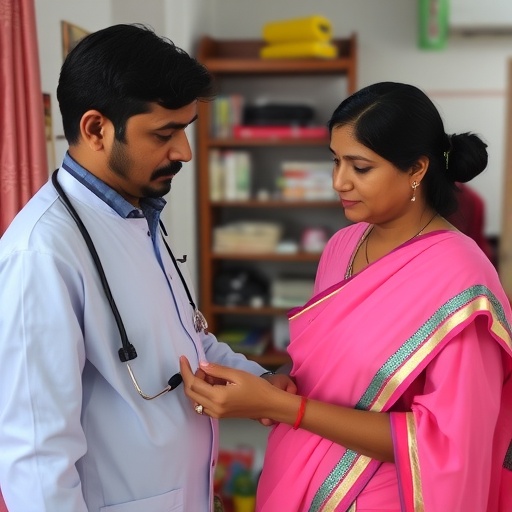
In a notable exploration of the intricate interplay between psychological and socio-contextual determinants of preventive healthcare decision-making, researchers have shed light on a critical aspect of health behavior. This groundbreaking study, conducted across three prominent cities in India, focuses on employees of IT and IT-enabled services (ITES) companies. Understanding the nuances of health-related decision-making processes within this specific demographic can unveil significant insights, especially given the rapid growth of the IT sector in India and its implications for public health.
The study posits that preventive healthcare decision-making is not merely a matter of individual choice but is profoundly influenced by a myriad of psychological factors. These include personal beliefs, risk perceptions, emotional responses, and mental health status. By delving deep into these psychological dimensions, the researchers aim to uncover how employees navigate their health decisions in environments that are both fast-paced and high-pressure. Notably, the emotional resilience of individuals plays a significant role in their propensity to engage in preventive health behaviors, highlighting the importance of mental well-being in overall health.
Equally important are the socio-contextual factors surrounding these individuals. The social environment—comprising family, colleagues, and community—provides a framework within which health decisions are made. Peer influence, support systems, and cultural beliefs all serve as critical touchpoints that shape an individual’s attitudes toward preventive care. The study emphasizes that understanding these social dynamics is essential for tailoring effective health interventions and educational campaigns that resonate with the target audience.
The researchers employed a robust methodological framework to analyze the data collected from diverse respondents. By utilizing qualitative and quantitative research tools, they were able to capture a comprehensive picture of the factors influencing healthcare decisions. Surveys, focus groups, and interviews provided rich data that revealed the complexities of decision-making processes. This multi-faceted approach facilitates a deeper understanding of how various dimensions of an individual’s life intersect to inform their health choices.
Each city included in the study presents a unique set of challenges and advantages that may affect healthcare decision-making differently. The contrasting socio-economic landscapes, cultural norms, and healthcare infrastructure across these urban centers play a pivotal role in shaping the attitudes and behaviors of employees. Therefore, the findings underscore the necessity of context-sensitive strategies that are tailored to meet the specific needs of different populations within urban India.
The implications of this research extend beyond the immediate findings; they resonate with broader public health initiatives. As policymakers and health practitioners seek to enhance preventive healthcare uptake, insights gleaned from the study can inform program development aimed at addressing the specific barriers faced within corporate settings. This aligns with the global push to prioritize preventive strategies amid rising healthcare costs and the increasing burden of chronic diseases.
Moreover, the increasing digitization of healthcare presents both challenges and opportunities for preventive care. Information technology systems can facilitate access to health information, yet the researchers argue that the effectiveness of these systems hinges on the psychological readiness and social context of users. Understanding how employees interact with digital health technologies becomes essential for maximizing their potential benefits.
The role of workplace culture cannot be overlooked in this discourse. Organizations that foster a culture of health and well-being can play a significant part in promoting preventive behaviors among their employees. By implementing programs that prioritize mental health and provide resources for preventive care, businesses contribute not only to the well-being of their workforce but also to enhanced productivity and reduced healthcare costs.
Ultimately, this study serves as a clarion call for more nuanced investigations into the determinants of healthcare decision-making. As the landscape of healthcare continues to evolve, integrating psychological and socio-contextual perspectives will be crucial for promoting effective preventive health practices. By fostering a holistic understanding of how personal and environmental factors converge, stakeholders can better address the nuances of health behaviors in diverse populations.
In conclusion, the research echoes a vital message: proactive health management requires a comprehensive approach that considers the multifaceted nature of human behavior. The insights offered by this study provide a valuable foundation for future research and intervention strategies, urging healthcare professionals to adopt a more integrated perspective that considers emotional and contextual factors influencing health decisions.
As we look towards the future, fostering a culture that emphasizes preventive health care becomes increasingly vital. The lessons drawn from the experiences of IT and ITES employees can serve as a guiding framework for similar populations, paving the way for healthier communities and a more robust approach to public health.
In an era characterized by rapid technological advancements and shifting societal norms, the importance of such research cannot be overstated. It highlights a growing recognition that health behaviors are not isolated actions but are deeply embedded in the social fabric of our lives.
As we strive for a healthier future, the insights from this study will serve as critical fodder for dialogue, innovation, and action in the realm of preventive healthcare.
Subject of Research: Psychological and socio-contextual factors influencing preventive healthcare decision-making in employees of IT and ITES companies in India.
Article Title: Psychological and socio-contextual factors influencing preventive healthcare decision-making: evidence from IT and ITES companies in three cities of India.
Article References: Siva Rama Krishna, J., Haque, M.A., Gattupalli, K. et al. Psychological and socio-contextual factors influencing preventive healthcare decision-making: evidence from IT and ITES companies in three cities of India. BMC Health Serv Res 25, 1612 (2025). https://doi.org/10.1186/s12913-025-13722-5
Image Credits: AI Generated
DOI: https://doi.org/10.1186/s12913-025-13722-5
Keywords: Preventive healthcare, psychological factors, socio-contextual factors, IT companies, India, health decision-making.


