


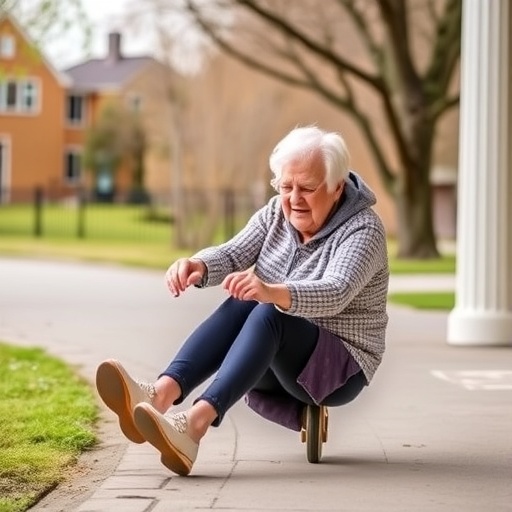
A new systematic review published in BMC Geriatrics maps the evidence behind fall-prevention strategies for older adults living with dementia or other cognitive impairments. Covering studies released from 2021 through March 2026, the review by Pu, Liu, Li, and colleagues synthesizes what drives whether interventions are actually implemented in real-world care settings.
Using a structured review approach, the researchers examined implementation “determinants”—the practical and contextual factors that influence adoption, uptake, and sustained delivery. Because people with dementia may require tailored supervision, medication management, and environment modifications, the team focused on evidence relevant to clinical and community care workflows, not only efficacy results.
The analysis highlights that successful implementation depends on more than staff training alone. Organizational capacity, leadership commitment, workflow integration, and access to resources consistently shape whether fall-prevention programs move from protocol to routine practice. In environments with constrained staffing or competing priorities, even well-designed tools struggle to be maintained.
The review also points to the importance of caregiver and multidisciplinary engagement. Falls prevention for cognitively impaired individuals often spans nursing, rehabilitation, occupational therapy, and family caregiving. Where communication is strong and responsibilities are clearly defined, interventions are more likely to be delivered consistently and monitored over time.
Another technical theme is the role of tailoring and fidelity. Interventions that account for behavioral symptoms, mobility limitations, and safety risks tend to fit the daily realities of dementia care. The review underscores that fidelity—delivering the “active ingredients” of an intervention—can be challenged by frequent changes in health status and care transitions.
Equally important, the findings suggest that measurement affects implementation. When facilities track relevant outcomes (such as incident reports, near-misses, and adherence to prevention components), teams can adjust quickly and justify continued investment.
In “viral” science terms, the message is simple: fall-prevention success is a systems problem. The determinants identified in this evidence synthesis offer a roadmap for turning research-backed practices into scalable care.
For clinicians and health leaders, the study frames implementation planning as an essential step—one that should start early, include accountability mechanisms, and anticipate barriers unique to dementia care.
Taken together, the review offers a timely evidence base for improving implementation strategies across care settings, aiming to reduce preventable injuries in a high-risk population as new data continue to emerge through 2026.
Cite Scienmag News
Cassandra Pierce. (July 18, 2026). Factors Affecting Fall Prevention for Older Adults With Dementia, Systematic Review. Scienmag. https://scienmag.com/factors-affecting-fall-prevention-for-older-adults-with-dementia-systematic-review/
Cassandra Pierce. "Factors Affecting Fall Prevention for Older Adults With Dementia, Systematic Review." Scienmag, 18 July 2026, https://scienmag.com/factors-affecting-fall-prevention-for-older-adults-with-dementia-systematic-review/. Accessed 4 September 2026.
Cassandra Pierce. "Factors Affecting Fall Prevention for Older Adults With Dementia, Systematic Review." Scienmag. July 18, 2026. https://scienmag.com/factors-affecting-fall-prevention-for-older-adults-with-dementia-systematic-review/


