


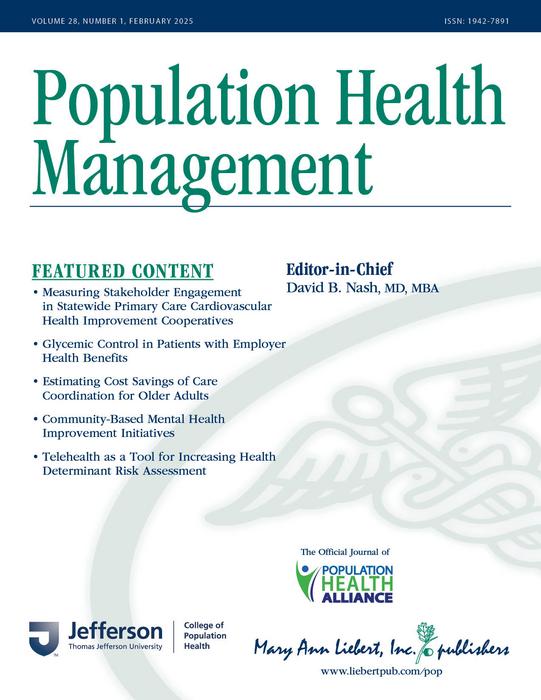
A groundbreaking study published in the peer-reviewed journal Population Health Management reveals significant insights into the perceptions surrounding obesity management and the utilization of anti-obesity medications among U.S. employees and their employers. Conducted by Jamy Ard from the Wake Forest School of Medicine and a team of coauthors, this research underscores the shared recognition of obesity’s impact on long-term health outcomes among both groups. By analyzing their perspectives, the study delineates a complex and evolving landscape of obesity management in today’s workforce.
Obesity is increasingly viewed as a chronic disease rather than a lifestyle issue, a shift in perception that is crucial for developing effective strategies for prevention and treatment. The study’s findings indicate a notable consensus between employed individuals with obesity (EwO) and employer representatives (ER) regarding the need for a multifaceted approach to obesity management. Both parties advocate for a model that combines lifestyle modifications guided by healthcare providers with the incorporation of pharmacotherapy to facilitate sustained weight loss.
More than two-thirds of employer representatives expressed a willingness to revisit their policies concerning anti-obesity medication coverage. However, the investigations identified two primary barriers: the high costs associated with medication coverage, cited by 72.5% of respondents, and the substantial affordability concerns for employees, highlighted by 68.7% of ERs. These economic factors are significant impediments that require innovative solutions and thoughtful policy adjustments to ensure that access to anti-obesity medications is not hindered by financial constraints.
Furthermore, the findings of this research emphasize the potential benefits of implementing evidence-based obesity care programs. Employers who invest in such health initiatives can expect not only direct cost reductions associated with healthcare expenses but also indirect benefits that stem from improved employee health and productivity. Addressing these barriers could enhance the overall effectiveness of obesity management strategies and significantly impact the workforce’s health outcomes.
David Nash, MD, MBA, the Editor-in-Chief of Population Health Management, highlighted the importance of this research, noting its potential to reshape the dialogue on addressing obesity in America. By synthesizing data from academic, public, and private sector perspectives, the study provides a valuable roadmap for tackling the complex burden of obesity through scientifically grounded approaches.
This collaborative effort represents an essential step towards bridging the gap between healthcare providers, employers, and employees. By engaging in an open dialogue about the pressing challenges faced by individuals struggling with obesity, stakeholders can work together to develop a comprehensive solution that promotes health equity and improves access to care.
In examining the broader implications of this study, it is crucial to consider the role of public policy in addressing obesity. Policymakers are encouraged to recognize obesity as a significant public health challenge that warrants targeted legislative action. Implementing policies that incentivize employers to offer comprehensive obesity management programs could pave the way for more effective interventions and greater workforce health.
The study also sheds light on the critical need for heightened awareness regarding the social determinants of health that contribute to obesity. These determinants, including socioeconomic status, education, and access to healthcare, play a pivotal role in shaping health outcomes. By focusing on these underlying factors, public health initiatives can create more equitable environments that support healthier lifestyle choices.
Educating both employers and employees about the importance of tackling obesity through a multi-dimensional approach is crucial. Training programs that inform employers about the benefits of supporting employee health can lead to better workplace environments where healthy behaviors are encouraged and facilitated. As the stigma surrounding obesity diminishes, a culture of understanding and support will flourish, fostering healthier habits among the workforce.
As this research resonates with various sectors, the role of digital health and technology in obesity management cannot be overlooked. Telemedicine, wearable technology, and health apps offer innovative avenues for individuals to connect with healthcare providers, receive personalized interventions, and track their progress. These advancements not only enhance engagement but also empower individuals to take an active role in their weight management journeys.
The importance of fostering a supportive community cannot be understated. By creating initiatives that encourage peer support and camaraderie, individuals facing obesity can find motivation and accountability in their shared experiences. Employers can play a pivotal role by facilitating group activities, wellness programs, or support networks that foster a sense of belonging and encouragement.
In conclusion, the findings from this study highlight the critical intersection between obesity management, employer engagement, and public health. Through collaborative efforts, evidence-based strategies, and an open approach to addressing barriers, a healthier workforce can emerge. Transforming these insights into actionable policies and practices will ultimately contribute to a robust public health response to the obesity crisis sweeping across the nation.
Cite Scienmag News
Daisy Hatcher. (April 9, 2025). Exploring Strategies for Obesity Management: The Role of Anti-Obesity Medications. Scienmag. https://scienmag.com/exploring-strategies-for-obesity-management-the-role-of-anti-obesity-medications/
Daisy Hatcher. "Exploring Strategies for Obesity Management: The Role of Anti-Obesity Medications." Scienmag, 9 April 2025, https://scienmag.com/exploring-strategies-for-obesity-management-the-role-of-anti-obesity-medications/. Accessed 4 September 2026.
Daisy Hatcher. "Exploring Strategies for Obesity Management: The Role of Anti-Obesity Medications." Scienmag. April 9, 2025. https://scienmag.com/exploring-strategies-for-obesity-management-the-role-of-anti-obesity-medications/


