


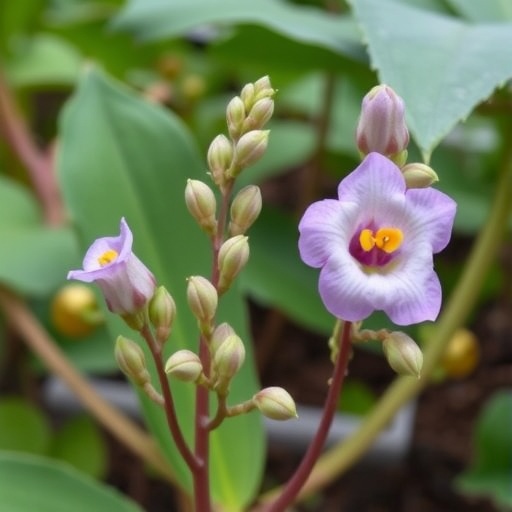
Researchers have unveiled a groundbreaking study on the distribution and abundance of two notable genera of flowering plants, Saintpaulia and Streptocarpus, within the biodiverse Udzungwa Mountain forests of Tanzania. This research, as documented by K. Magessa in the journal Discover Plants, sheds light on the ecological significance and conservation statuses of these genera, providing insights that may be crucial for effective biodiversity management strategies in the region.
In recent years, the Udzungwa Mountains have garnered attention for their rich biodiversity, highlighted by the presence of numerous endemic plant species. The region serves as a hotbed of plant diversity, shaped by its unique climatic and geological conditions. Magessa’s research specifically focuses on the distribution patterns of the Saintpaulia and Streptocarpus species, shedding light on their habitat preferences and population dynamics. This study emerges at a pivotal moment when habitat destruction and climate change pose threats to plant species globally.
Prior to this research, knowledge regarding these genera’s specific distribution ranges was rather limited, which has hampered conservation efforts. Saintpaulia, commonly known as African violets, are cherished for their ornamental value, while Streptocarpus, often referred to as cape primroses, possess both ornamental and ecological significance. The findings of Magessa’s study reveal that both genera are replicated across various altitudinal gradients within the Udzungwa Mountains, indicating their adaptation to diverse environmental conditions.
The study utilizes a systematic approach, employing field surveys combined with geographic information systems (GIS) technology. Data collection involves GPS mapping and photographic documentation of plant species in their natural habitats. The deployment of such advanced techniques allows researchers to create accurate distribution maps, which are essential for understanding how these species interact with their environment and respond to ecological pressures.
Magessa reports that Saintpaulia species predominantly thrive in shaded, moist locations, while Streptocarpus varieties are often found in more open areas with ample sunlight. This distinction in habitat preference underscores the importance of microclimatic factors in the distribution of these plants. For instance, the variability of light, humidity, and soil quality plays a critical role in determining which species flourish in specific locations. Understanding these preferences is crucial for conservationists looking to maintain the ecological integrity of the Udzungwa Mountain forests.
Furthermore, the research highlights the potential vulnerabilities of these plant species, especially in areas undergoing deforestation or land conversion for agriculture. The alteration of habitats leads to fragmentation, isolating populations and making it difficult for them to thrive. By mapping the distribution of Saintpaulia and Streptocarpus, the study aims to inform local conservation strategies and prioritize areas for protection.
In addition to their ornamental appeal, both genera hold cultural significance for the local communities in Tanzania. Traditional uses of these plants include medicinal applications, gardening practices, and even rituals, which further accentuates the need for their conservation. As urbanization and climate change threaten their habitats, preserving these plants is not just about biodiversity; it is also about cultural heritage.
The study also touches upon the role of Saintpaulia and Streptocarpus species in broader ecological functions. These plants contribute to ecosystem stability, support pollinator populations, and enhance soil fertility through their root systems. Vanishing plant species can destabilize these ecological functions, letting a cascade of negative effects impact the forest system as a whole.
Furthermore, the implications of this research extend beyond local conservation efforts, as it encourages a global audience to reflect on the significance of plant diversity. It serves as a reminder that every plant species contributes uniquely to ecosystems and holds intrinsic value. The researchers’ findings provide a template for similar studies in other biodiversity hotspots around the world.
In conclusion, Magessa’s research on Saintpaulia and Streptocarpus in the Udzungwa Mountain forests is a significant contribution to plant distribution studies and conservation efforts. Through meticulous data collection and innovative use of technology, the study unveils critical insights that can help shape future conservation policies geared towards preserving the planet’s precious biodiversity. As our understanding of these plants deepens, we also recognize the interconnectedness of all species and the important role that plants play in sustaining life on Earth. The future of these unique genera now hinges on our commitment to safeguarding their habitats against impending threats.
Navigating the challenges of conservation in such biodiverse regions is a complex task, yet it is essential. Magessa’s work not only highlights the specific needs of Saintpaulia and Streptocarpus, but it also emphasizes the broader implications of maintaining plant diversity. The preservation of flora is vital not only for ecological balance but also for supporting the many services they provide to human communities and wildlife alike.
With the threat of climate change and habitat loss looming over many ecosystems, researchers and conservationists are tasked with finding effective ways to protect these invaluable plant species. This study acts as a vital call to action by illustrating the urgent need for conservation initiatives that safeguard both Saintpaulia and Streptocarpus populations and their habitats in the face of looming ecological threats.
The research marks a significant step towards raising awareness about the necessity of conserving not only the widely known but also the less familiar species that contribute to our planet’s biological richness. Advancing this knowledge further can support policy changes and the implementation of protective measures that preserve biodiversity for future generations.
As we reflect on Magessa’s exploration of Saintpaulia and Streptocarpus, we are reminded of our shared responsibility in preserving the delicate balance of the ecosystems that support life on Earth. It is imperative that we act now, integrating findings from studies like these into our conservation efforts to ensure that these magnificent plants continue to thrive in the wild.
As we aim towards a sustainable future, the insights gleaned from this research serve as an invaluable resource, highlighting the intricacies of plant ecology and the importance of informed conservation practice. The lessons learned from the Udzungwa Mountains are not only applicable to Tanzania but resonate universally, calling for a collective ethos aimed at protecting biodiversity worldwide.
Magessa, K. Distribution and abundance of Saintpaulia and Streptocarpus species in Udzungwa mountain forests, Tanzania.
Discov. Plants 2, 260 (2025). https://doi.org/10.1007/s44372-025-00327-9
Cite Scienmag News
Margaret Porter. (September 3, 2025). Exploring Saintpaulia and Streptocarpus Diversity in Udzungwa. Scienmag. https://scienmag.com/exploring-saintpaulia-and-streptocarpus-diversity-in-udzungwa/
Margaret Porter. "Exploring Saintpaulia and Streptocarpus Diversity in Udzungwa." Scienmag, 3 September 2025, https://scienmag.com/exploring-saintpaulia-and-streptocarpus-diversity-in-udzungwa/. Accessed 4 September 2026.
Margaret Porter. "Exploring Saintpaulia and Streptocarpus Diversity in Udzungwa." Scienmag. September 3, 2025. https://scienmag.com/exploring-saintpaulia-and-streptocarpus-diversity-in-udzungwa/


