

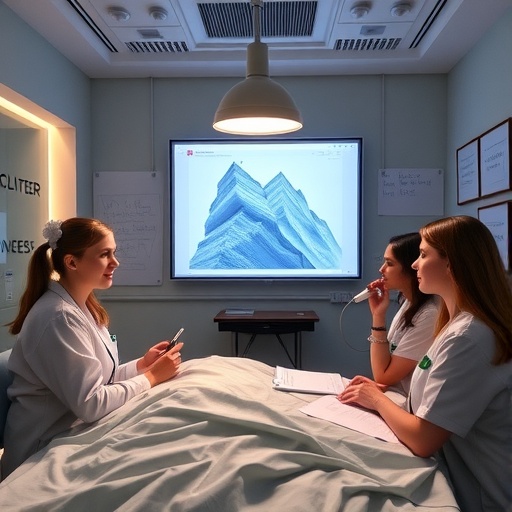
In the evolving landscape of medical education, the integration of practical training within general practice has become increasingly essential for the development of competent healthcare professionals. A recent study conducted in Norway delves into the nuances of dyad placement, engaging medical students in a unique partnership with their clinical supervisors. This intricate framework aims to bridge the gap between theoretical knowledge and real-world application, ultimately enhancing the overall educational experience for future physicians.
The interview study involving Norwegian medical students and their clinical supervisors has garnered attention for its innovative approach to practical medical training. The term “dyad placement” refers to the pairing of learners with seasoned practitioners in a clinical environment, allowing students to gain firsthand experience while receiving tailored mentorship. Such placements not only equip students with essential skills but also foster the development of professional relationships that can last throughout their careers.
One insightful revelation of the study is the profound impact that direct supervision has on a student’s confidence. Supervisors play a crucial role in guiding students through complex clinical situations, providing immediate feedback that reinforces learning. Participants highlighted that the presence of a knowledgeable mentor significantly alleviated the anxiety often associated with patient interactions, enabling students to perform more effectively. This supportive dynamic cultivates an environment conducive to both personal and professional growth.
Furthermore, the data collected sheds light on how dyad placements can refine students’ decision-making abilities. Engaging in discussions with supervisors about various clinical cases allows students to critically analyze situations and understand the rationale behind certain medical decisions. This immersive experience transforms theoretical principles learned in lectures into practical, everyday applications in the clinic, equipping students with a robust foundation as they prepare for future challenges in their medical careers.
The research also emphasizes how dyad placements can foster a sense of shared responsibility between students and supervisors. This collaborative learning model encourages students to take initiative, promoting active participation in their education. By empowering students to be more involved in the decision-making processes of patient care, they develop a keen sense of accountability that continues to shape their professional identities long after graduation.
An intriguing aspect of the study is its focus on the emotional components of medical training. Both students and supervisors reflected on the significance of emotional intelligence in clinical practice. The dyad placements provided a unique context for students to observe and learn about empathetic patient interactions, a key skill that is often overlooked in traditional classroom settings. This endeavor to cultivate emotional resilience is essential in a profession that frequently encounters the complexities of human suffering and the need for compassionate care.
Despite the clear benefits of dyad placements, the study does not shy away from addressing potential challenges. One of the notable concerns reported by students was the varying levels of engagement among supervisors. The quality of mentorship appears to be closely linked to the effectiveness of the dyad experience. As such, the study advocates for ongoing training and support for clinical supervisors to ensure that they are well-prepared to guide their students through the complexities of medical practice.
Moreover, the findings highlight the importance of feedback in optimizing the dyad placement experience. Students expressed a desire for more structured feedback mechanisms, emphasizing that constructive criticism is vital for their development. Regular check-ins that foster open dialogues between students and supervisors can enhance the mentorship experience, ensuring that students feel supported and understood throughout their training periods.
The implications of this study extend beyond just medical education in Norway. As the healthcare industry grappled with the challenges posed by the COVID-19 pandemic, there has been a global call to rethink the ways in which medical training is delivered. The concept of dyad placements could serve as a model for other countries, providing a framework that encourages collaborative learning and mentorship in clinical settings. The potential for widespread adoption of this approach could revolutionize how future healthcare professionals are trained worldwide.
Another noteworthy finding from the research was the emphasis on the reciprocal benefits of dyad placements for both students and supervisors. While students gain critical skills and insights from their mentors, supervisors also noted that their teaching practices were enhanced through these partnerships. Engaging with students invigorated their own passion for medicine, prompting supervisors to reflect on their own experiences and reconsider the nuances of patient care.
As the study progresses towards publication, it underscores the pressing need for educational institutions to cultivate environments where medical students can thrive. The team behind the study advocates for institutional support to facilitate similar dyad placements across various specialties, pushing for systemic changes that promote mentorship and collaborative learning in medical settings.
In conclusion, the study on dyad placements in general practice unveils a promising avenue for enriching medical education through direct mentorship. The findings offer valuable insights into the dynamics of student-supervisor relationships, highlighting the benefits of structured guidance during formative stages of medical training. As the medical community continues to explore innovative educational strategies, embracing such partnerships could lead to the emergence of a new generation of skilled, compassionate, and reflective healthcare practitioners.
Subject of Research: Dyad Placement in General Practice
Article Title: Dyad placement in general practice: interview study with Norwegian medical students and their clinical supervisors.
Article References:
Knutsen, J.S., Hunskaar, S., Bondevik, G.T. et al. Dyad placement in general practice: interview study with Norwegian medical students and their clinical supervisors.
BMC Med Educ (2025). https://doi.org/10.1186/s12909-025-08405-y
Image Credits: AI Generated
DOI: 10.1186/s12909-025-08405-y
Keywords: dyad placement, medical education, mentorship, clinical supervision, student training, emotional intelligence, decision-making, healthcare professional development.


