

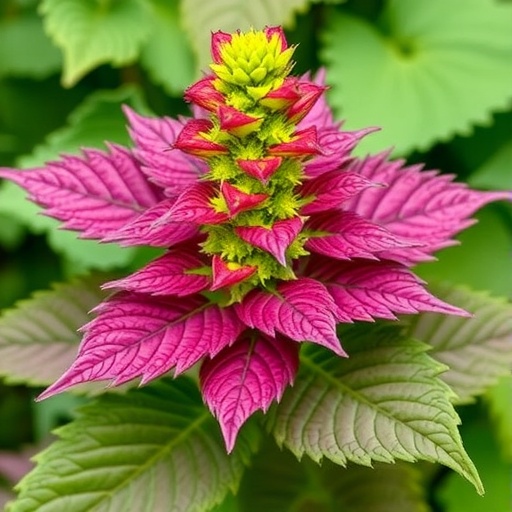
Recent research has highlighted the promising anti-diabetic properties of two Amaranthus species, Amaranthus cruentus and Amaranthus hybridus, alongside a range of isolated compounds derived from them. The study conducted by Nkobole, Ebenezer, and Prinsloo is a significant contribution to the field of complementary and alternative medicine, focusing on natural solutions to prevalent health issues such as diabetes. This article presents the findings of their in vitro studies and molecular docking analyses, which suggest these plants could be pivotal in the development of more effective anti-diabetic agents.
In vitro experiments are a cornerstone of pharmacological research, allowing scientists to evaluate the biological efficacy of compounds in controlled environments. The researchers meticulously examined various extracts from Amaranthus cruentus and Amaranthus hybridus, utilizing sophisticated methodologies to isolate compounds with potential therapeutic activity. The data align with historical uses of these plants in traditional medicine, where they have served as dietary staples and remedies for various ailments.
The extraction processes involved in the study are critical in isolating bioactive compounds that could have anti-diabetic effects. Such processes often encompass the use of solvents with varying polarities to obtain a comprehensive profile of the phytochemicals present. The researchers employed techniques such as maceration and soxhlet extraction, ensuring that a wide spectrum of constituents was available for scrutiny. The importance of these techniques cannot be overstated, as they lay the groundwork for subsequent biological testing.
Upon obtaining the extracts, the scientists conducted a series of assays to evaluate their anti-diabetic potential, focusing on key pathways involved in glucose metabolism. One of the primary mechanisms by which these extracts exert their effects appears to involve the modulation of insulin signaling pathways, critical to controlling blood sugar levels. The findings indicated significant reductions in glucose levels in vitro, suggesting that these natural products could act as insulin sensitizers, enhancing the body’s ability to utilize glucose.
Molecular docking studies further enriched the research, offering insights into the binding affinities of isolated compounds with targeted enzymes involved in glucose metabolism. This computational approach is a powerful tool that enables researchers to visualize and predict the interactions between small molecules and biological macromolecules. By employing software tools that simulate these interactions, the study provided valuable data on which compounds might serve as effective inhibitors or enhancers in the management of diabetes.
Particular focus was placed on specific phytochemicals such as flavonoids, phenolic acids, and alkaloids, which have shown promise in various preclinical models. These compounds not only contribute to the therapeutic potential of the extracts but also enhance the overall antioxidant capacity, crucial for mitigating oxidative stress associated with diabetes. Antioxidants play a vital role in protecting pancreatic beta-cells from damage, hence maintaining insulin secretion and glucose homeostasis.
Additionally, the study’s results align with previous literature that supports the health benefits of the Amaranthus species. Historical references to these plants as functional foods underscore their nutritional value, which may further enhance their therapeutic applications. Given the increasing prevalence of diabetes worldwide, the discovery of such natural remedies could lead to breakthroughs in treatment strategies, particularly in regions where access to conventional medications may be limited.
The implications of these findings extend beyond laboratory experiments. The potential for developing nutraceuticals derived from Amaranthus cruentus and Amaranthus hybridus represents a burgeoning field in dietary supplementation. As consumers gravitate toward natural health products, the formulation of dietary aids for diabetes from these plants could meet growing market demands, aligning health benefits with consumer preferences for plant-based products.
Moreover, addressing the pressing global health crisis posed by diabetes requires a multi-faceted approach, incorporating lifestyle, diet, and pharmacological interventions. This study opens up avenues for further research, inviting exploration into the synergistic effects of Amaranthus extracts in combination with other therapeutic agents. Future clinical trials will be essential in confirming the efficacy of these compounds in human subjects, paving the way for their incorporation into standard diabetes management.
In conclusion, the intriguing findings from Nkobole, Ebenezer, and Prinsloo provide a solid foundation for future exploration into the anti-diabetic properties of Amaranthus cruentus and Amaranthus hybridus. With a rich history in traditional medicine, coupled with modern scientific validation, these plants may play a crucial role in the arsenal against diabetes. The integration of natural products into diabetes therapy not only honors ancient wisdom but also champions a sustainable and holistic approach to health.
As we look toward the future of diabetes management, the research underscores the significance of continued investigation into plant-derived compounds. With the dual challenges of rising diabetes rates and a push for more integrative healthcare solutions, studies like this one will be vital in unfolding the potential of the natural world to provide innovative treatments for chronic diseases. The collaborative efforts of researchers in exploring these avenues could indeed change the landscape of diabetes care, offering hope and better health outcomes for millions.
Subject of Research: The in vitro anti-diabetic activity and molecular docking studies of Amaranthus cruentus, Amaranthus hybridus, and isolated compounds.
Article Title: In vitro anti-diabetic activity and molecular docking studies of Amaranthus cruentus, Amaranthus hybridus and isolated compounds.
Article References: Nkobole, N., Ebenezer, O. & Prinsloo, G. In vitro anti-diabetic activity and molecular docking studies of Amaranthus cruentus, Amaranthus hybridus and isolated compounds. BMC Complement Med Ther 25, 439 (2025). https://doi.org/10.1186/s12906-025-05169-2
Image Credits: AI Generated
DOI: https://doi.org/10.1186/s12906-025-05169-2
Keywords: Anti-diabetic activity, Amaranthus cruentus, Amaranthus hybridus, molecular docking, traditional medicine, natural products, phytochemicals, insulin signaling, glucose metabolism.


