


In a groundbreaking study published in BMC Genomics, researchers have unveiled intriguing connections between alkaloid concentration, endophyte mycelial concentration, and the genetic makeup of hosts in the tall fescue Epichloë symbiosis. This research shines a light on the complex interactions at play between plants and their associated fungal partners, with significant implications for agricultural practices and ecological management.
Understanding the dynamics of alkaloids, which are nitrogen-containing compounds produced by plants, is crucial. These compounds often play vital roles in defense against herbivores and pathogens, thereby protecting the host plant. The study’s authors meticulously investigated how these alkaloid concentrations are influenced by the presence of specific endophytes, suggesting that the right fungal partners can enhance a plant’s defensive strategies.
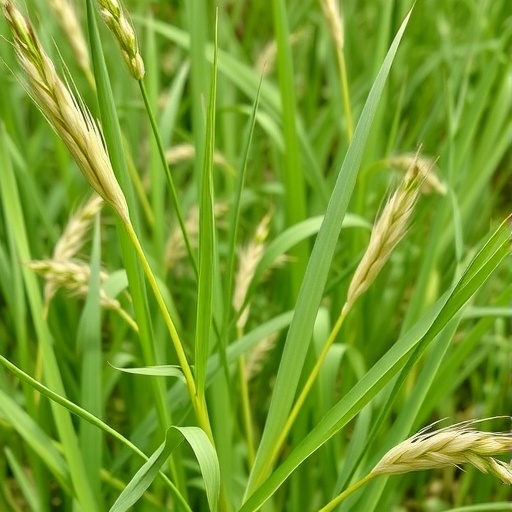
Tall fescue, a perennial grass species, has long been of interest not only for its ecological significance but also for its agricultural value. It is widely used in pasture systems across the globe. The relationship between tall fescue and its endophyte, particularly Epichloë, reveals a fascinating biological partnership. Epichloë species are known to produce a variety of alkaloids, which can be beneficial for host plants in terms of growth and resilience.
The research team employed a multidimensional approach that included rigorous genetic analysis of the host plants. By examining the genetic diversity of tall fescue populations, the team was able to draw meaningful correlations between host genetics and alkaloid production. This angle is particularly compelling; it suggests that different genetic backgrounds may predispose tall fescue to harbor more or less effective endophyte strains, ultimately influencing alkaloid profiles.
Additionally, the study meticulously documented the mycelial concentrations of endophytes within the plant hosts. This measurement is key to understanding how well these fungal partners establish within the plant tissue, potentially affecting their capacity to synthesize alkaloids. The authors noted that a stronger endophyte presence often coincided with higher alkaloid levels, illustrating the critical interplay between plant and fungal partners.
The implications of these findings extend beyond mere understanding of plant biology. For farmers and land managers, knowledge of the relationships between host genetics, endophyte concentration, and alkaloid production could inform more effective grassland management strategies. By selecting for specific tall fescue varieties that harbor beneficial endophytes, it may be possible to enhance ecosystem resilience and productivity in pasture lands.
Moreover, the study presents a strong case for the importance of preserving genetic diversity within tall fescue populations. As environmental conditions shift due to climate change and other factors, resilient plant genotypes may prove essential for maintaining sustainable agricultural practices. The insights drawn from this research could lead to the development of new cultivars that are not only more productive but also better equipped to handle stressors imposed by pests and pathogens.
While the primary focus was on the relationship between alkaloids and endophytes, the research also opened doors to exploring how environmental factors such as soil quality and moisture levels could interact with these biological variables. This dimension adds another layer of complexity to understanding how plants and fungi cooperatively navigate the challenges of their ecosystems.
This comprehensive investigation, framed within the context of broader ecological dynamics, urges the scientific community to further explore the intricate web of interactions among plant, fungi, and environment. The research stands as a testament to the potential of interdisciplinary approaches in answering complex biological questions.
In conclusion, the exploration of the Epichloë symbiosis with tall fescue represents a significant advance in our understanding of mutualistic relationships in nature. It emphasizes the need to consider both genetic and ecological factors when studying plant-fungal interactions. As researchers continue to decode the genetic blueprints of agricultural plants, this study lays the groundwork for innovations that could transform sustainable farming practices, ultimately leading to enhanced food security in the face of inevitable global changes.
The findings serve as an encouraging reminder of the incredible potential that lies within the uncharted territories of plant biology. As our understanding deepens, we become increasingly capable of harnessing this knowledge for practical applications. Therefore, this research is not just an academic exercise; it is a stepping stone toward utilizing biological insights for real-world benefits.
This groundbreaking work encourages further investigation and experimentation in the field, seeking new ways to optimize plant performance through enhanced understanding of symbiotic relationships. The future appears promising, as agricultural scientists and ecologists alike delve deeper into the rich tapestry of life that sustains our ecosystems.
The potential treatise of this research extends into the realms of biotechnology and crop breeding. As techniques in genetic manipulation and synthetic biology improve, there may soon be opportunities to engineer more effective symbiotic relationships. By dissecting the nuances of these interactions, scientists might unlock new pathways to enhance plant resilience, improve food production, and ultimately contribute to the stability of our food systems.
In the journey towards sustainable agriculture, studies such as this are invaluable. As researchers probe deeper into the symbiotic relationships that define plant ecosystems, they are not only enriching our understanding but also paving the way for innovative solutions to some of the most pressing challenges of our time.
Talamantes, D.R., Phillips, C., Young, C. et al. The relationships among alkaloid concentration, endophyte mycelial concentration and host genetics in the tall fescue Epichloë symbiosis.
BMC Genomics (2025). https://doi.org/10.1186/s12864-025-12331-0
Cite Scienmag News
Juliet Wilcox. (December 14, 2025). Exploring Alkaloids, Endophytes, and Host Genetics in Tall Fescue. Scienmag. https://scienmag.com/exploring-alkaloids-endophytes-and-host-genetics-in-tall-fescue/
Juliet Wilcox. "Exploring Alkaloids, Endophytes, and Host Genetics in Tall Fescue." Scienmag, 14 December 2025, https://scienmag.com/exploring-alkaloids-endophytes-and-host-genetics-in-tall-fescue/. Accessed 4 September 2026.
Juliet Wilcox. "Exploring Alkaloids, Endophytes, and Host Genetics in Tall Fescue." Scienmag. December 14, 2025. https://scienmag.com/exploring-alkaloids-endophytes-and-host-genetics-in-tall-fescue/


