


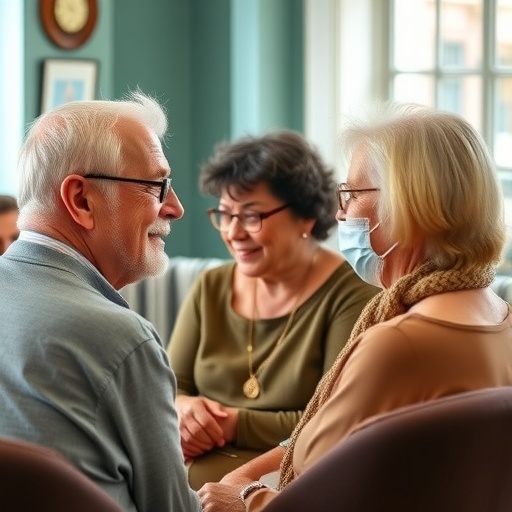
Interpersonal relationships and physical activity are integral components of a healthy lifestyle, influencing overall well-being, especially among older adults. In a groundbreaking qualitative study, Shaffer, Vaterlaus, and Tarabochia have unveiled critical insights into how these relationships interact with physical activity across the lifespan. Published in the Journal of Adult Development, the research highlights the necessity of social connections in promoting and maintaining active lifestyles in the elderly.
Physical activity is often lauded for its numerous health benefits, including enhanced physical strength, improved cardiovascular health, and better mental well-being. However, the role of interpersonal relationships in facilitating or inhibiting physical activity is a realm that has not been extensively explored in previous literature. This study contributes to filling that gap, emphasizing the importance of community interaction and relational engagement in the pursuit of a physically active lifestyle.
The researchers conducted in-depth interviews with a diverse range of older adults, aiming to capture their experiences and perspectives regarding physical activity and its relationship to their social lives. The qualitative approach allowed participants to express their thoughts and feelings in their own words, providing a rich, nuanced understanding of the underlying factors influencing their physical engagement. Through this method, the researchers were able to uncover themes that might be overlooked in quantitative studies.
One of the critical findings of the research is the notion that social networks significantly impact an individual’s motivation to remain physically active. Older adults with strong social ties are often more inclined to participate in physical activities, ranging from group exercises to friendly walks in the park. The study’s participants shared anecdotes illustrating how engaging with peers or family members during physical activities not only made these experiences more enjoyable but also fostered a sense of accountability among them.
Conversely, the study also highlighted challenges faced by those with limited social interactions, illustrating how isolation can lead to a sedentary lifestyle. Many participants recounted experiences where loneliness and a lack of companionship significantly reduced their motivation to engage in physical activities. For these individuals, the absence of social support often resulted in a notable decline in their overall health and quality of life. This finding underscores the urgency of fostering social connections among older populations to enhance levels of physical activity.
The concept of active living was explored in relation to the participants’ daily routines. Many older adults reported that their physical activity was not just confined to structured exercise but was an integral part of their everyday lives, intertwined with social interactions. For instance, simple activities like gardening, walking the dog, or going shopping were framed as opportunities for socialization and movement. This perspective challenges traditional views that solely link physical activity to formal exercise regimes.
Furthermore, the study addressed the role of community resources in promoting social and physical engagement among older adults. Facilities like local gyms, community centers, and parks emerged as vital in encouraging outdoor activities, where social interaction organically occurs. Participants emphasized the importance of these spaces in providing a sense of belonging and community, which in turn motivated them to become more active.
In analyzing the data, the researchers noticed that the patterns of physical activity and social relationships were not uniform across all participants. Factors such as gender, socioeconomic status, and cultural background significantly shaped individual experiences. For example, some women noted that societal expectations often confined their opportunities for physical activities, a barrier that was less pronounced among men. Recognizing these disparities is crucial for developing inclusive programs that cater to the diverse needs of older adults.
The interactions among family members also played a critical role in promoting physical activity. Many participants spoke fondly about the influence of their children and grandchildren in encouraging them to engage more regularly in physical pursuits. These familial relationships often provided emotional support and motivation, turning exercise into a familial bonding experience rather than a chore. Such insights are vital for those involved in designing intergenerational programs that utilize family dynamics to promote health.
Older adults identified various strategies to enhance their social engagement while simultaneously increasing their physical activity. For instance, many expressed the desire for more structured group activities, such as dance classes, walking groups, or fitness challenges. Participants noted that when these activities were framed as social events, they were more likely to participate and maintain a consistent routine. This finding suggests that integrating social elements into physical activities could be a game-changing approach to health promotion among the elderly.
Moreover, the study draws attention to the potential benefits of technology in enhancing social interactions and promoting physical activity. Many participants discussed their use of social media and fitness apps to connect with peers, share their progress, and even participate in virtual fitness classes. Technology serves as a bridge, fostering community engagement while enabling individuals to stay active, regardless of their physical limitations or mobility issues.
In light of the findings, the study calls for a paradigm shift in how we view physical activity among older adults. It advocates for a more holistic approach, recognizing that social connections are as important as physical capability. Policymakers, health practitioners, and community leaders must prioritize creating environments that facilitate social engagement as part of their health initiatives aimed at older populations.
Ultimately, this study presents a compelling argument for the integration of social support structures into physical activity programs for older adults. By fostering relationships and community ties, we can encourage more significant participation in physical activities, leading to improved health outcomes and enhanced quality of life. As society continues to grapple with the challenges of an aging population, understanding the intertwining relationship of social interactions and physical activity becomes imperative.
This groundbreaking research encourages further investigation into the various dimensions of older adults’ experiences, particularly how community resources, family dynamics, and technology can be leveraged to enhance both social and physical engagement. The intersection of these elements is critical in promoting active living and fostering an environment conducive to healthy aging across the lifespan.
In conclusion, Shaffer, Vaterlaus, and Tarabochia’s study serves as a pivotal reminder that the road to a healthier life for older adults is not traveled alone. It is a journey best taken together, where the bonds of friendship and community illuminate the path toward sustained physical activity.
Shaffer, T.M., Vaterlaus, J.M., Tarabochia, D. et al. Interpersonal Relationships and Physical Activity Across the Lifespan: A Qualitative Study with Older Adults.
J Adult Dev (2024). https://doi.org/10.1007/s10804-024-09507-5
Cite Scienmag News
Glenn Wilkins. (September 5, 2025). Exploring Aging: Relationships and Activity in Seniors. Scienmag. https://scienmag.com/exploring-aging-relationships-and-activity-in-seniors/
Glenn Wilkins. "Exploring Aging: Relationships and Activity in Seniors." Scienmag, 5 September 2025, https://scienmag.com/exploring-aging-relationships-and-activity-in-seniors/. Accessed 5 September 2026.
Glenn Wilkins. "Exploring Aging: Relationships and Activity in Seniors." Scienmag. September 5, 2025. https://scienmag.com/exploring-aging-relationships-and-activity-in-seniors/


