


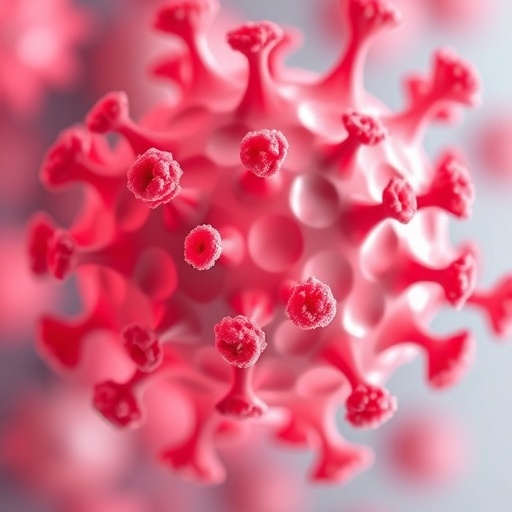
Recent advancements in medical research have increasingly shed light on the role of physical exercise in not only improving health but also in influencing cancer treatment and management. A revolutionary study led by Silvestri, Fantini, Duranti, and colleagues delves into the world of exercise-derived extracellular vesicles (EVs) and their potential applications in oncology. The findings of this research indicate that these vesicles, which are released during physical activity, contain a plethora of bioactive molecules that may hold the keys to novel therapeutic strategies against cancer.
Understanding the mechanisms through which exercise affects our bodies has been a longstanding pursuit within the biomedical field. It has been documented that regular physical activity induces various physiological changes, often resulting in enhanced health outcomes. One particularly striking discovery is that exercise initiates the release of EVs, which serve as vehicles for cell-to-cell communication. These vesicles, laden with proteins, lipids, and RNA, can significantly modulate various biological processes, including those implicated in tumor development and progression.
The study highlights how exercise-induced EVs can influence tumor biology by modifying immune responses. The presence of specific molecules within these vesicles may enhance the body’s ability to recognize and combat cancer cells. By analyzing the cargo of these EVs, researchers have begun to unravel how they could serve as biomarkers for tumor progression or even guide treatment decisions. Such capabilities position exercise not merely as a complementary approach but as an integral component of cancer therapy.
In an age where personalized medicine is becoming increasingly crucial, the characterization of exercise-derived EVs opens new avenues for tailored therapies. For instance, understanding the specific molecular signatures present in EVs from physically active individuals may lead to targeted interventions in cancer patients. This aspect of research could significantly enhance the effectiveness of immunotherapies, which are already changing the landscape of cancer treatment. The intertwining of exercise and EVs in therapeutic contexts signifies a paradigm shift in how we conceive of cancer management.
Interestingly, this research also touches upon the social determinants of health, emphasizing the importance of physical activity as a public health measure. By exploring the potential of exercise in producing beneficial EVs for cancer therapy, the study advocates for integrating exercise regimens into the treatment plans of cancer patients. This is pivotal, considering that many cancer treatments can lead to debilitating side effects that impact physical health.
Moreover, the research underscores the need for further investigation into the molecular mechanisms by which EVs exert their effects. While preliminary results are encouraging, the complexity of tumor biology necessitates a comprehensive understanding to ascertain the full spectrum of exercise-induced benefits. Studies exploring different types of physical activity, duration, and intensity on EV production can yield critical insights into optimizing exercise protocols for cancer patients.
The potential of using exercise-derived EVs as therapeutic agents is equally exciting. As researchers uncover the specific components of these vesicles that elicit anti-cancer effects, it may be possible to develop EV-based therapies that parallel the benefits of exercise without requiring patients to engage in rigorous physical activity. This could be especially advantageous for patients with advanced disease stages or those with limited mobility.
Moreover, addressing the psychological aspects of physical activity in cancer care adds another layer of significance to this research. Exercise has been shown to have profound effects on mental well-being, helping to alleviate anxiety and depression commonly associated with cancer diagnoses. The interplay between mental health and physical activity reinforces the holistic approach to cancer treatment, emphasizing not just the tumor but the patient as a whole.
In conclusion, the findings presented by Silvestri et al. on exercise-derived extracellular vesicles embody a groundbreaking frontier in translational nanomedicine. Their work signifies the integration of physical health and innovative cancer therapies, paving the way for a future where exercise is leveraged as a formidable tool in oncology. As research in this field progresses, the next steps will include clinical trials to assess the efficacy of EV-based interventions and the long-term impacts of exercise on cancer outcomes.
This significant exploration into the nuances of exercise and its molecular products holds promise not only for improving the quality of life for patients but also for reshaping the conventional paradigms of cancer care. As we continue to decode the complex relationship between exercise and cancer biology, the hope is that such integrative approaches can transform how we prevent, treat, and ultimately overcome this multifaceted disease.
Silvestri, M., Fantini, C., Duranti, G. et al. Exercise-derived extracellular vesicles in oncology: a new frontier for translational nanomedicine.
J Transl Med (2026). https://doi.org/10.1186/s12967-026-07742-w
Cite Scienmag News
Nathaniel Bowman. (January 28, 2026). Exercise-Derived Vesicles: A Breakthrough in Cancer Therapy. Scienmag. https://scienmag.com/exercise-derived-vesicles-a-breakthrough-in-cancer-therapy/
Nathaniel Bowman. "Exercise-Derived Vesicles: A Breakthrough in Cancer Therapy." Scienmag, 28 January 2026, https://scienmag.com/exercise-derived-vesicles-a-breakthrough-in-cancer-therapy/. Accessed 5 September 2026.
Nathaniel Bowman. "Exercise-Derived Vesicles: A Breakthrough in Cancer Therapy." Scienmag. January 28, 2026. https://scienmag.com/exercise-derived-vesicles-a-breakthrough-in-cancer-therapy/


