


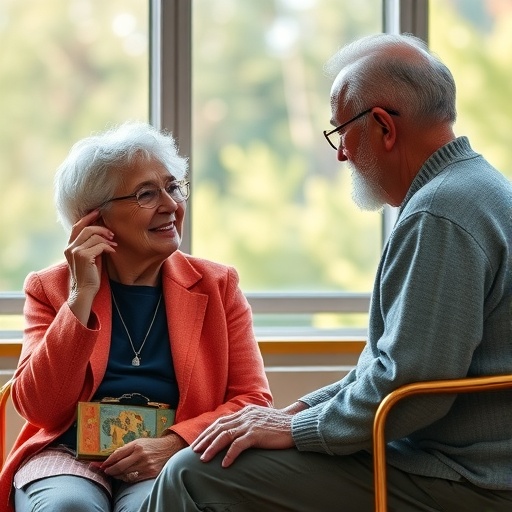
In the face of unprecedented global challenges posed by the COVID-19 pandemic, the perspectives and attitudes of older adults have undergone significant shifts. A comprehensive study conducted by Van Vleet et al. has delved into the complexity of these changes over a two-year span, offering a rare insight into how the vulnerable population of older adults navigates uncertainty during intense crises. This article articulates these findings, shining a light on the underpinnings of their thoughts, fears, and aspirations.
As the pandemic emerged, older adults, often categorized as a high-risk group, faced heightened anxiety and anxiety-related conditions. Many were isolated from family and community connections due to mandated social distancing. The dual blows of social isolation and health concerns contributed to a collective sentiment that the future was fraught with uncertainty. This environment molded their future perspectives, wherein thoughts about personal health, safety, and well-being became consuming focal points. The study reveals that the first phase of the pandemic elicited a sense of foreboding among older adults, leading them to reconsider their priorities and the essence of their daily lives.
Over time, however, these perspectives evolved. As the pandemic progressed, resilience emerged as a central theme among older adults. Despite initial despair, many individuals reported developing adaptive coping strategies. This research captures the nuanced journey of this demographic, illustrating how individuals shifted from fear to a more proactive stance. The act of nurturing relationships over digital platforms became imperative, as technology bridged the chasm that physical distancing created. They learned to leverage virtual communication, transforming their approach to connectivity and engagement in an increasingly digitized society.
Moreover, the findings indicate that older adults began to prioritize mental health in ways previously overlooked. The study documented a rise in mindfulness practices and emotional reflection as tools both to combat feelings of isolation and to foster a greater sense of agency in their lives. By contemplating their experiences, many established a renewed appreciation for the continuity of life despite uncertainties. This newfound outlook offers critical insights into the evolving needs and values of older adults, encouraging healthcare providers and policymakers to prioritize solutions tailored to these shifting desires.
Interestingly, the research also highlighted a generational dichotomy regarding future expectations. Younger cohorts of older adults exhibited a more optimistic view, spurred by technological fluency and the belief in progress. Conversely, older segments expressed more apprehension, often rooted in historical contexts of instability and loss. These perspectives warrant attention, as understanding their distinct narratives can shape the development of targeted support systems. The disparity stresses the importance of acknowledging varied experiences, which can inform holistic approaches to elder care in crisis situations.
The long-term implications of these changes extend beyond individual psyche. The study conceptualizes how older adults’ adaptability can influence broader societal frameworks. As they increasingly participate in community planning and advocacy, their voice holds unique power. If community leaders and organizations embrace these insights, they can design programs that are conducive to fostering resilience among older populations. This collaborative approach can empower older adults to engage actively in crafting their futures, ultimately enhancing the quality of life across generations.
Furthermore, the results of Van Vleet et al.’s study signal a critical juncture in addressing the social determinants of health among older adults. As their views on future planning, health care, and social connection continue to evolve, it becomes essential for legislators to reconsider existing frameworks. Integrating feedback from older adults can lead to solutions that resonate deeply with their lived experiences, thereby ensuring that public health policies aptly reflect their needs and desires.
Anticipating future crises necessitates a proactive stance, and this research serves as a foundational element for further inquiry. By gathering qualitative and quantitative data on older adults throughout the pandemic, the findings underscore a pressing need to sustain research endeavors focused on this demographic’s evolving psychological and emotional landscape. More longitudinal studies are required to fully understand the ramifications of such a pivotal period in human history.
The commitment to unearthing the lived experiences of older adults during COVID-19 ultimately highlights the significance of embedding their narratives within our shared social fabric. Researchers and journalists alike must continue to bring attention to these narratives, as they can offer profound lessons in vulnerability, resilience, and adaptability. The voices of older adults can guide societal transformations that embrace and uplift all individuals, fostering a spirit of unity in the face of adversity.
As we navigate through the aftermath of COVID-19, the synthesizing of these findings into actionable strategies can help cultivate supportive environments for older adults. Such strategies may include enhanced mental health resources, community engagement initiatives, and revitalized social programming. Acknowledging the wisdom found in older adults’ experiences can construct a powerful narrative that underlines the necessity of comprehensive support systems that prioritize well-being and resilience.
In closing, the trajectory of older adults’ perspectives and attitudes during and post-COVID-19 is not merely an academic pursuit but a rallying call for societal change. The lessons drawn from this research hold the potential to inform not just crisis management, but the overall ethos of how we regard and integrate older adults within our communities for years to come. By investigating and understanding their unique experiences, we can build a more inclusive future, one where every voice matters and contributes to the collective resilience of society.
This enlightening investigation underscores the importance of continuous engagement with older adults, ensuring their perspectives are recognized and valued. As we reflect on this vital segment of the population, let us pledge to amplify their stories, understanding that in doing so, we fortify the foundations of our communities for a better tomorrow.
Van Vleet, B., Fuller, H.R., Hofmann, B. et al. Older Adults’ Future Perspectives and Attitudes Amid Uncertainty: Shifts Across 2 Years of COVID-19. J Adult Dev 32, 95–106 (2025). https://doi.org/10.1007/s10804-024-09486-7
Cite Scienmag News
Glenn Wilkins. (August 31, 2025). Evolving Perspectives of Older Adults During COVID-19. Scienmag. https://scienmag.com/evolving-perspectives-of-older-adults-during-covid-19/
Glenn Wilkins. "Evolving Perspectives of Older Adults During COVID-19." Scienmag, 31 August 2025, https://scienmag.com/evolving-perspectives-of-older-adults-during-covid-19/. Accessed 4 September 2026.
Glenn Wilkins. "Evolving Perspectives of Older Adults During COVID-19." Scienmag. August 31, 2025. https://scienmag.com/evolving-perspectives-of-older-adults-during-covid-19/


