


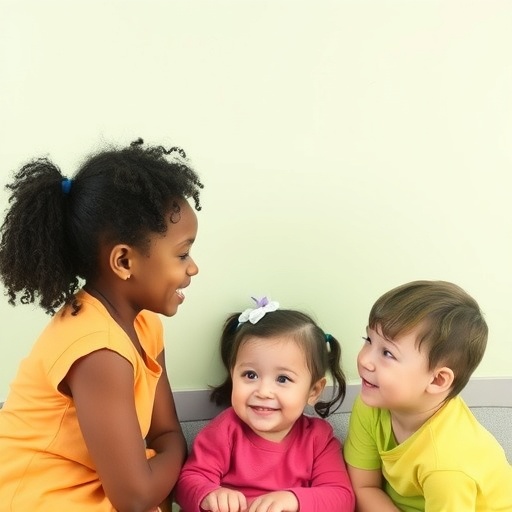
In a groundbreaking study led by Conceição, Cadima, and Camacho, researchers have unveiled compelling findings regarding the impact of social and emotional skill programs in preschool settings. This research, published in the Early Childhood Education Journal, emphasizes the critical importance of nurturing not just cognitive skills, but also emotional and social competencies in young children. As educators and policymakers increasingly recognize the significance of holistic development, this study provides vital insights into effective early education strategies that cater to the comprehensive needs of preschoolers.
The study highlights a comprehensive approach to developmental programs, focusing on the efficacy of social and emotional learning (SEL) initiatives in fostering foundational skills among preschool children. With an increasing emphasis on STEM education and academic achievement, often at the expense of emotional and social training, this research calls attention to the need for a balanced educational framework. It serves as a clarion call for educators to re-examine their curricula and instructional techniques to ensure that they are nurturing well-rounded individuals equipped to navigate the complexities of modern society.
A significant number of children enter preschool with varying degrees of emotional and social capabilities. Recognizing this variability, the research team employed a rigorous methodological approach to assess the effectiveness of a targeted social and emotional skills program specifically designed for preschoolers. The program, structured to foster collaboration, empathy, and emotional regulation, was implemented over an academic year, during which children participated in various activities that encouraged them to express and manage their emotions in constructive ways.
To evaluate the program’s impact, the researchers utilized a combination of qualitative and quantitative methods. They conducted assessments at baseline, mid-year, and end-of-year intervals, which allowed for a comprehensive analysis of children’s growth and learning trajectories. Utilizing standardized tools for measuring social and emotional competencies, the study presented statistically significant improvements in participants’ abilities to manage emotions, demonstrate empathy, and engage in cooperative play. This data strongly suggests the advantages of early intervention in emotional intelligence training.
One of the most notable findings of the research was that children who participated in the SEL program showed remarkable advancements not only in emotional regulation but also in their overall social interactions. Teachers reported increased instances of positive peer interactions, reduced conflict in the classroom, and a more inclusive environment where children were motivated to support one another. These observations underscore the transformative power of social-emotional learning in fostering a supportive community within educational settings.
Additionally, the program’s success also drew attention to the invaluable role of teachers in implementing these innovative strategies. Educators reported feeling more empowered and equipped to nurture emotional skills as they engaged with the SEL curriculum. This shift in teacher attitude and capability is pivotal, as it highlights the necessity for professional development aimed at equipping educators with the skills needed to promote emotional learning. In turn, this creates a ripple effect, enabling teachers to cultivate more resilient and socially inclined future citizens.
Furthermore, the research delves into the broader implications of early emotional skill development on long-term outcomes. Evidence suggests that children who develop strong social-emotional skills in preschool are more likely to experience academic success, maintain positive relationships, and demonstrate better behavioral outcomes as they progress through their educational journeys. The study provides a foundational basis for arguing that investing in emotional education at early stages can yield significant benefits for society as a whole.
Beyond individual benefits, the researchers advocate for systemic change in educational policies that prioritize social and emotional learning. As mental health issues continue to rise among youth, integrating emotional education into the existing framework of early childhood education could play a critical role in prevention and intervention. This proactive approach not only addresses current challenges faced by children but also sets the stage for healthier future generations.
Importantly, the research emphasizes the urgent need for collaboration among all stakeholders, including educators, parents, and policymakers. By fostering an environment that collectively endorses social and emotional skill development, communities can work towards building a supportive infrastructure that prioritizes the well-being of children. The findings serve as a robust foundation for promoting community engagement in educational efforts, thereby bridging the gap between home, school, and broader societal influences.
The compelling nature of this study raises important questions regarding funding, resource allocation, and training for educators. It highlights a crucial need for investing in programs that are designed to equip educators with the necessary tools and knowledge to support children’s emotional and social learning. By providing teachers with the resources they need, schools can effectively implement and sustain these vital programs.
As the education landscape continues to evolve, it is essential to remind stakeholders of the interconnectedness of social, emotional, and academic learning. The study conducted by Conceição and colleagues emphasizes that emotional learning is not an add-on but a fundamental component of the educational experience. Integrating SEL programs into preschool curricula is not just beneficial; it is essential for the comprehensive development of children.
The call to action is clear: educational institutions must commit to building and supporting robust social-emotional learning frameworks throughout the early educational stages. The outcomes of this research present an invaluable opportunity for institutions to reassess their priorities and methodologies in shaping the minds and hearts of the next generation.
In summary, Conceição, Cadima, and Camacho’s research provides powerful insights into the effectiveness of social and emotional skill programs for preschool children. As schools and communities work collaboratively to create nurturing environments tailored to the emotional needs of young learners, the benefits will extend far beyond the classroom. This study is a significant step forward in recognizing the critical balance between cognitive and emotional education and lays a foundation for future research and policy initiatives aimed at promoting holistic development in early childhood education.
Conceição, C., Cadima, J., Camacho, A. et al. Testing the Effectiveness of a Social and Emotional Skill Program for Preschool Children.
Early Childhood Educ J (2025). https://doi.org/10.1007/s10643-025-01909-8
Cite Scienmag News
Courtney Benton. (September 2, 2025). Evaluating Preschool Social-Emotional Skills Program Effectiveness. Scienmag. https://scienmag.com/evaluating-preschool-social-emotional-skills-program-effectiveness/
Courtney Benton. "Evaluating Preschool Social-Emotional Skills Program Effectiveness." Scienmag, 2 September 2025, https://scienmag.com/evaluating-preschool-social-emotional-skills-program-effectiveness/. Accessed 6 September 2026.
Courtney Benton. "Evaluating Preschool Social-Emotional Skills Program Effectiveness." Scienmag. September 2, 2025. https://scienmag.com/evaluating-preschool-social-emotional-skills-program-effectiveness/


