


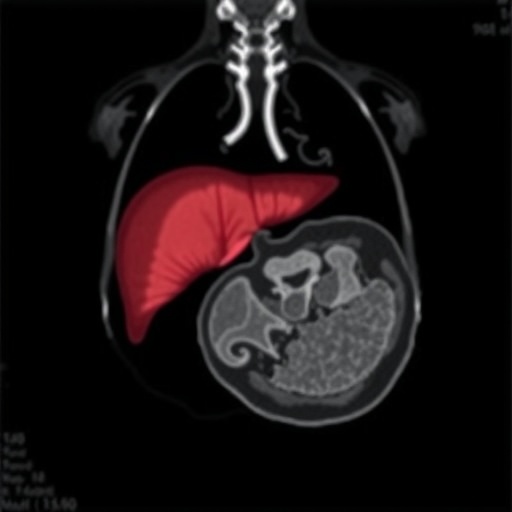
The realm of pediatric medicine is continuously evolving, particularly in terms of diagnostic methodologies that enhance the care of young patients. Notably, advances in imaging techniques are revolutionizing how we comprehend and diagnose various liver conditions in children. Among these advances, shear wave elastography (SWE) has emerged as a pivotal technique, particularly in assessing liver stiffness in children suffering from biliary atresia, a condition that poses significant challenges for healthcare professionals. Recent research focusing on the diagnostic performance and reproducibility of SWE techniques illuminates both the potential and the limitations of this technology in a pediatric context.
Biliary atresia is a rare yet critical condition that affects newborns, characterized by the obstruction of bile ducts, which can lead to severe liver damage and cirrhosis if left untreated. Identifying this condition early is paramount to improving outcomes, as timely surgical intervention can be life-saving. This emphasizes the need for accurate and reliable diagnostic tools that can be frequently employed in a pediatric population. Enter shear wave elastography, a non-invasive imaging modality that has gained attention due to its ability to provide quantitative assessment of liver stiffness, and in turn, liver fibrosis.
The study led by Fu, Geng, and Shi offers invaluable insights into the efficacy of SWE in a pediatric cohort specifically diagnosed with biliary atresia. The researchers undertook a comprehensive evaluation to ascertain the diagnostic performance of different SWE techniques, focusing both on their accuracy and reproducibility. The potential implications are significant, as accurate liver stiffness assessments can facilitate timely diagnosis and appropriate management strategies tailored to individual patient needs.
SWE operates on the principle of measuring the velocity of shear waves passing through liver tissue, with the premise that stiffer tissues yield faster wave propagation. Thus, this technique translates physiological states of liver health into quantifiable data. In cases of biliary atresia, where liver architecture may be compromised, the stiffness values obtained can be essential indicators of the underlying pathology. This study meticulously assessed various SWE protocols to discern the most effective methodologies for pediatric patients, taking into account the need for both diagnostic precision and minimal patient discomfort.
One of the standout findings of the research was the reproducibility of SWE measurements. Reproducibility is crucial in clinical settings, especially in a pediatric population where variations in cooperation and physiological states can significantly affect outcomes. Ensuring consistent measurements enhances the reliability of diagnostic conclusions drawn from these tests, which is particularly important to develop age-appropriate clinical guidelines. The study revealed that specific SWE techniques exhibited excellent intra- and inter-observer reliability, reinforcing SWE as a promising tool for routine clinical application in children.
Additionally, the research provided critical insights into the comparative advantages of SWE over traditional modalities such as liver biopsy, which, despite being the gold standard, is invasive and carries inherent risks and complications. The non-invasive nature of SWE, combined with its ability to provide rapid assessments, is advantageous, especially in young children who may struggle with invasive diagnostics. The implications of replacing biopsy with SWE in routine evaluations could significantly enhance patient experiences and outcomes.
As innovations in medical imaging continue, it’s imperative to explore how these advancements affect clinical practices and patient management strategies. The implications of this study extend beyond biliary atresia; by establishing SWE as a reliable diagnostic modality, it paves the way for broader applications in pediatric liver disorders overall. It signifies a move towards personalized medicine, where diagnostic tools are adapted to the unique physiological profiles of pediatric patients.
Apart from the technical aspects of the SWE techniques used, the study also emphasizes the importance of multidisciplinary approaches in managing complex pediatric conditions. Collaborative efforts among pediatricians, radiologists, and hepatologists are crucial to holistically assess and treat conditions like biliary atresia. By integrating advanced imaging techniques into routine practice, healthcare providers can enhance communication and improve treatment pathways that better serve vulnerable populations.
In conclusion, the findings from Fu, Geng, and Shi’s research represent a significant advancement in the assessment of liver stiffness in children with biliary atresia. The promising diagnostic performance and reproducibility of shear wave elastography techniques mark a notable shift in pediatric liver diagnostics. As researchers continue to refine these methodologies, the potential for improving clinical outcomes in affected children grows exponentially. Enhanced diagnostic capabilities will undoubtedly lead to better management of biliary atresia and potentially other liver-related illnesses, reaffirming the critical role of innovative imaging techniques in modern medicine.
This study serves as a potent reminder of the dynamic nature of medical technology and its direct implications for pediatric care. As we journey into the future, it is evident that such advancements will be essential in addressing the unique challenges faced in pediatric diagnostics and therapeutics. The quest for more effective, reliable, and patient-centered approaches will continue to define the landscape of pediatric medicine and improve the lives of children worldwide.
Fu, M., Geng, C., Shi, L. et al. Diagnostic performance and reproducibility of shear wave elastography techniques for liver stiffness assessment in children with biliary atresia.
Pediatr Radiol (2025). https://doi.org/10.1007/s00247-025-06333-z
Cite Scienmag News
Ophelia Keating. (August 7, 2025). Evaluating Liver Stiffness in Children with Biliary Atresia. Scienmag. https://scienmag.com/evaluating-liver-stiffness-in-children-with-biliary-atresia/
Ophelia Keating. "Evaluating Liver Stiffness in Children with Biliary Atresia." Scienmag, 7 August 2025, https://scienmag.com/evaluating-liver-stiffness-in-children-with-biliary-atresia/. Accessed 4 September 2026.
Ophelia Keating. "Evaluating Liver Stiffness in Children with Biliary Atresia." Scienmag. August 7, 2025. https://scienmag.com/evaluating-liver-stiffness-in-children-with-biliary-atresia/


