


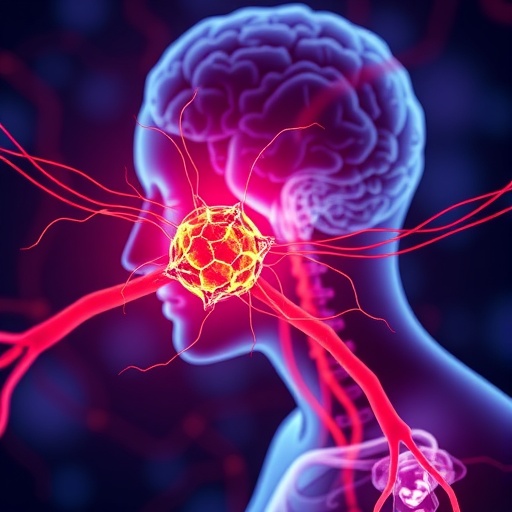
In a groundbreaking initiative, Professor Tambet Teesalu of the University of Tartu has received an ERC Synergy Grant to delve into the complexities of the blood-nerve barrier. This critical interface between blood vessels and nerve cells plays a significant role in our understanding of pain management and therapeutic delivery systems. The project aims to unveil the mysteries surrounding this barrier, which is crucial not only for protecting nerve tissues but also for their recovery and overall functionality.
The blood-nerve barrier serves as a protective shield for the nervous system, structured as a selective barrier that regulates the passage of substances between blood circulation and nerve cells. This barrier is essential not only for maintaining the homeostasis of nerve environments but also for providing nutrients and shielding nerve cells from potentially harmful toxins. Understanding its intricate workings is vital, especially as damage to this barrier is associated with numerous painful conditions. These include nerve damage related to diabetes, cancer treatments, and various inflammatory disorders affecting the nervous system.
Teesalu’s research group has garnered support from leading research teams across Europe, creating a powerful consortium aimed at scrutinizing the blood-nerve barrier. Their collaborative efforts will generate a comprehensive molecular and spatial map, shedding light on the interactions between nerve cells and blood vessels. The peripheral nervous system, which encompasses all nerves outside the brain and spinal cord, will be the focal point of their innovative research.
The collaboration is set to last for six years, promoting the exchange of ideas among four prominent research groups. Led by Teesalu, the consortium includes experts like Professor Ellie Tzima from the University of Oxford, who will investigate the effects of mechanical stress on the barrier’s biological functions. Simultaneously, Dario Bonanomi’s team at Italy’s San Raffaele Hospital will explore neurobiology and nerve regeneration mechanisms. In parallel, Isabelle Brunet’s team at the Collège de France will bridge the realms of neuroscience and vascular biology, enhancing the scope of this multidisciplinary approach.
One of the project’s primary objectives is to identify specific molecules known as homing peptides. These peptides can target and guide therapeutic agents directly to the appropriate cells by leveraging the unique molecular markers present in blood vessels—akin to a postal system. So far, Teesalu’s previous work has primarily concentrated on solid tumors and brain delivery systems. However, the focus on the peripheral nervous system offers a fresh perspective on drug delivery methods.
As the researchers embark on this transformative journey, they are poised to identify barriers and improve the binding properties of therapeutic molecules to enhance the effectiveness of treatments directed at nerve pain. Chronic nerve pain is a condition affecting a significant proportion of the global population, making this research pivotal in addressing a pressing health concern. While immediate clinical applications are not expected, the discoveries from this project may pave the way for future breakthroughs in pain management.
Teesalu expresses optimism about the project’s implications for understanding chronic nerve pain, emphasizing that unveiling the mechanisms of the blood-nerve barrier is essential to manipulating its properties for therapeutic advantages. Furthermore, he underscores the importance of future investigations into how this barrier impacts nerve cell repair and healing processes—a topic that remains largely unexplored.
This ERC Synergy Grant is not Teesalu’s first achievement in securing such funding; he is notably the only Estonian researcher to have received ERC support three times. These previous accolades include an ERC Starting Grant in 2012 and a Proof of Concept Grant in 2018. His continued success reflects not only his innovative research capabilities but also the critical relevance of his work in advancing nanomedicine and its potential applications.
The project’s financial backing is impressive, with a total budget of 10 million euros, allowing the consortium to pursue comprehensive research over the designated six-year period. Teesalu’s research group has been allocated 2.5 million euros to further their investigations into this crucial area of study. This substantial funding emphasizes the value placed on this research endeavor within the broader scientific community and its potential to yield valuable insights into chronic pain management.
As the global prevalence of chronic pain continues to rise, addressing the underlying mechanisms of the blood-nerve barrier may significantly improve our understanding of pain pathophysiology. Insights gained from this research could lead to novel therapeutic options for patients suffering from diverse pain conditions, ultimately transforming the paradigm of pain treatment.
In conclusion, the collaborative effort spearheaded by Teesalu and his European partners marks a pivotal moment in neurobiology and the field of nanomedicine. By unlocking the blood-nerve barrier’s secrets, they aim to introduce innovative approaches to drug delivery that could revolutionize treatment options for millions of individuals living with chronic pain. This endeavor promises to lay the groundwork for enhanced therapies and improved patient outcomes in the future.
News Publication Date: October 2023
Web References: [N/A]
References: [N/A]
Keywords
blood-nerve barrier, chronic pain, Tambet Teesalu, ERC Synergy Grant, drug delivery, nanomedicine, peripheral nervous system, homing peptides, nerve regeneration, neuroscience, inflammation, therapeutic approaches
Cite Scienmag News
Denise Maddox. (November 6, 2025). ERC Synergy Grant Enhances Insights into the Blood-Nerve Interface to Revolutionize Pain Management. Scienmag. https://scienmag.com/erc-synergy-grant-enhances-insights-into-the-blood-nerve-interface-to-revolutionize-pain-management/
Denise Maddox. "ERC Synergy Grant Enhances Insights into the Blood-Nerve Interface to Revolutionize Pain Management." Scienmag, 6 November 2025, https://scienmag.com/erc-synergy-grant-enhances-insights-into-the-blood-nerve-interface-to-revolutionize-pain-management/. Accessed 4 September 2026.
Denise Maddox. "ERC Synergy Grant Enhances Insights into the Blood-Nerve Interface to Revolutionize Pain Management." Scienmag. November 6, 2025. https://scienmag.com/erc-synergy-grant-enhances-insights-into-the-blood-nerve-interface-to-revolutionize-pain-management/


