


In a groundbreaking study poised to reshape our understanding of acute lung injury, researchers have uncovered a pivotal role played by the epithelial zinc transporter SLC39A1 in safeguarding lung tissue. This discovery not only highlights the intricate biological interplay underpinning pulmonary health but also opens new avenues for therapeutic interventions targeting zinc-dependent pathways. As acute lung injury remains a significant cause of morbidity and mortality worldwide, this novel insight into the molecular mechanisms of lung protection could revolutionize clinical approaches to respiratory distress syndromes.
The study delves into the critical function of SLC39A1, a member of the ZIP (Zrt-, Irt-like Protein) family of zinc transporters, located prominently in lung epithelial cells. These cells constitute the first line of defense against respiratory pathogens and environmental insults. Zinc, an essential trace element, is known for its myriad biological roles, including immune modulation, anti-inflammatory effects, and cellular repair mechanisms. By elucidating how SLC39A1 facilitates zinc uptake within epithelial cells, the research unveils how zinc availability is closely tied to lung tissue resilience.
One of the study’s remarkable findings is the link between SLC39A1 activity and the transcriptional regulation of autophagy—a highly conserved catabolic process involved in cellular homeostasis and the degradation of damaged organelles and proteins. Activation of autophagy within epithelial cells in response to zinc influx appears to confer a protective effect against acute lung injury, particularly in male mice. This sex-specific observation adds an additional layer of complexity and prompts further investigation into hormonal or genetic factors that may mediate this distinction.
The researchers employed a meticulous experimental design encompassing genetic manipulation, biochemical assays, and advanced imaging techniques to tease apart the molecular crosstalk between SLC39A1-mediated zinc transport and autophagy activation. Using male mouse models genetically deficient in SLC39A1, they observed a pronounced susceptibility to lung damage upon exposure to injurious stimuli, underscoring the transporter’s indispensable role. Conversely, overexpression of SLC39A1 enhanced zinc uptake, triggering a transcriptional program that upregulated key autophagy-related genes.
Transcriptional activation invoked by zinc influx appears to involve zinc-responsive transcription factors, which bind to promoter regions of autophagy genes to amplify their expression. The study identified several candidate transcription factors responsive to intracellular zinc levels, thus providing molecular insight into how zinc orchestrates cellular defense mechanisms. This zinc-mediated transcriptional cascade ultimately promotes autophagic flux, facilitating the clearance of damaged cellular components and attenuating inflammatory responses that exacerbate tissue injury.
The therapeutic implications of these findings are profound. By targeting the SLC39A1-zinc-autophagy axis, new strategies could emerge to mitigate acute lung injury and its progression to more severe forms such as acute respiratory distress syndrome (ARDS). This is especially urgent amid the ongoing challenge posed by infectious respiratory diseases and environmental pollutants that precipitate lung damage. Enhancing SLC39A1 function or mimicking its effects pharmacologically may serve as a novel approach to bolster the lung’s intrinsic protective capacity.
Interestingly, the study also sheds light on potential sex-specific differences in susceptibility to lung injury, mediated by zinc-dependent mechanisms. Male mice displayed a distinct regulatory pattern in SLC39A1 expression and autophagy activation compared to females, suggesting hormonal influence or sex chromosome-linked gene regulation could modulate transporter function. Understanding these nuances is essential for developing personalized therapeutic interventions that account for sex as a biological variable.
Beyond acute lung injury, the study’s insights could reverberate across broader fields of respiratory medicine and cell biology. Autophagy dysregulation is implicated in chronic lung diseases such as chronic obstructive pulmonary disease (COPD) and pulmonary fibrosis. The identification of zinc transporters as modulators of this pathway raises the exciting prospect of manipulating zinc homeostasis to restore autophagic balance in chronic conditions as well.
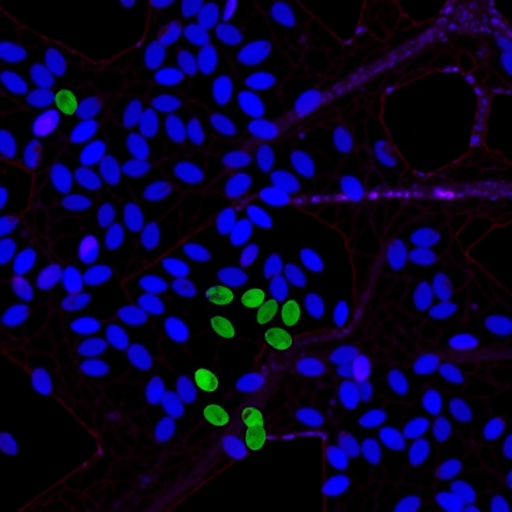
The experimental methodology employed involved state-of-the-art transcriptomic analyses and imaging modalities to monitor autophagosome formation and zinc distribution within cells. By combining fluorescence zinc sensors and autophagy reporter assays, the research team was able to correlate zinc influx with dynamic changes in autophagic activity, thereby providing compelling visual and quantitative evidence for their biochemical findings.
Moreover, the study’s scope included a comprehensive analysis of downstream effectors regulated by zinc-induced transcriptional activation. Genes encoding key autophagy mediators, such as LC3 and Beclin-1, exhibited significant upregulation in the presence of enhanced epithelial zinc transport. This coordinated gene expression ensures efficient autophagic clearance, which in turn mitigates the cytotoxic accumulation of damaged mitochondria and protein aggregates that fuel inflammatory lung injury.
This work also emphasises the importance of zinc as an essential micronutrient whose homeostasis is tightly regulated at cellular and systemic levels. Disruption in zinc transport can have profound consequences on cellular resilience, particularly in organs like the lung that are constantly exposed to external insults. The delineation of SLC39A1’s role advances our understanding of zinc physiology in the context of respiratory health and disease.
Future research directions stemming from this study may include investigating how environmental factors such as smoking, pollution, or viral infections impact SLC39A1 function and zinc homeostasis in lung epithelium. Furthermore, exploration of pharmacological agents that can modulate SLC39A1 expression or function holds promise for translational applications. Given the complexity of autophagy regulation, combinatorial therapies that enhance zinc transport along with autophagy modulators could synergize to optimize lung protection.
The pioneering work presented also invites examination of the interplay between zinc metabolism and other signaling pathways implicated in lung injury, including oxidative stress responses, inflammatory cytokine release, and epithelial barrier integrity. Integrating these insights will be critical for constructing a holistic picture of lung injury pathogenesis and identifying multitargeted strategies for prevention and treatment.
In conclusion, the discovery that epithelial SLC39A1 prevents acute lung injury through zinc-mediated transcriptional activation of autophagy represents a significant advance in respiratory biology. It underscores the vital importance of micronutrient transporters in modulating cellular defense pathways and highlights the therapeutic potential of harnessing these mechanisms to combat lung injury. As we continue to confront environmental challenges and emerging pathogens that threaten respiratory health, such innovative molecular insights offer hope for more effective and targeted interventions.
Cite Scienmag News
Ophelia Keating. (April 28, 2026). Epithelial SLC39A1 Shields Male Mice from Lung Injury. Scienmag. https://scienmag.com/epithelial-slc39a1-shields-male-mice-from-lung-injury/
Ophelia Keating. "Epithelial SLC39A1 Shields Male Mice from Lung Injury." Scienmag, 28 April 2026, https://scienmag.com/epithelial-slc39a1-shields-male-mice-from-lung-injury/. Accessed 3 September 2026.
Ophelia Keating. "Epithelial SLC39A1 Shields Male Mice from Lung Injury." Scienmag. April 28, 2026. https://scienmag.com/epithelial-slc39a1-shields-male-mice-from-lung-injury/


