


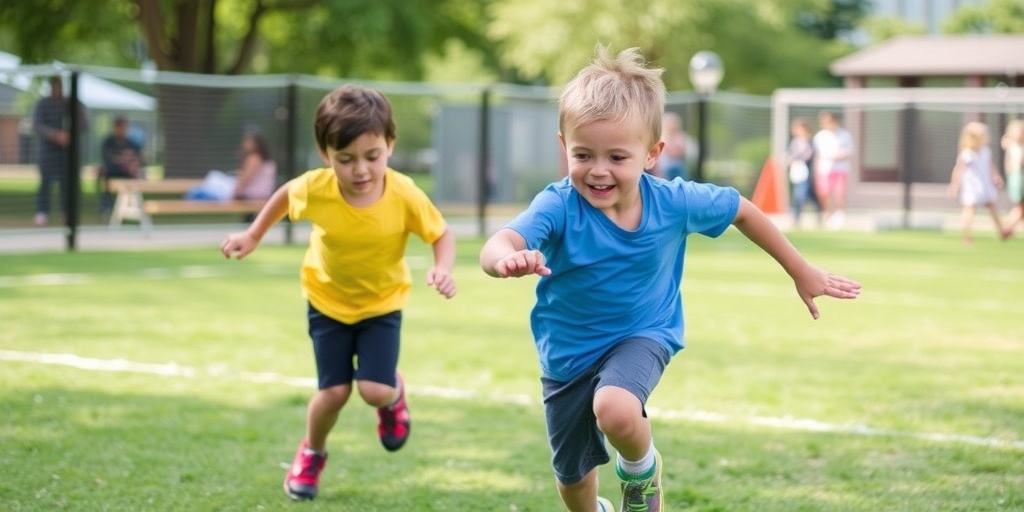
A transformative study led by the Faculty of Sport and Health Sciences at the University of Jyväskylä, Finland, has shed light on the significance of outdoor play and multisport participation for the development of motor skills in children. Conducted over a three-year span, the research meticulously tracked the motor competence progression of children spanning their early childhood education to the early years of schooling. The findings underline a profound connection between the time children spend outdoors and the enhancement of their motor skills, particularly noting the positive impact this has on girls.
The study reveals that even a modest investment of just 30 minutes of outdoor play following a day in childcare can significantly influence the development of motor competence in children. This insight calls for an urgent reassessment of current structures in daycare and childcare programs, urging them to embed outdoor play as a regular, essential component of child development. Doctoral researcher Nanne-Mari Luukkainen from the Faculty of Sport and Health Sciences emphasized this by stating that outdoor play serves not merely as a recreational activity but as a pivotal framework for motor skill enhancement.
Interestingly, the study highlighted a gender disparity in physical activity levels, revealing that boys tend to engage in significantly higher levels of physical activity compared to their female counterparts. This discrepancy in activity levels may explain why the correlation between outdoor time and motor competence was not as pronounced in boys. Understanding these nuanced differences is crucial for educators and parents as they design physical activities and outdoor play that cater to both genders while promoting equitable development opportunities.
Moreover, Luukkainen articulated that the research strongly advocates for the integration of multisport activities into the early developmental phases of children’s lives. The data supports the assertion that engaging in two or more sports during early childhood correlates with better motor skills as children transition into formal schooling. This finding is a clarion call for coaches and physical education teachers, prompting them to recognize the independent yet complementary roles outdoor activities and sport diversity play in holistic child development.
The longitudinal study, which monitored over 600 children from various geographic locales within Finland, brought forth invaluable insights into the intertwined relationship between outdoor activity and multisport engagement with children’s motor skill development. The subjects, aged three to eight at the study’s initiation, were revisited three years later in grades one through three. This meticulously structured design provided a robust dataset, showcasing that active participation in physical activities directly influences motor skill proficiencies critical for long-term physical health.
In the context of previous research, this study stands out as it concurrently investigates the impacts of outdoor playtime and the variety of physical activities engaged in by children. While existing studies have acknowledged the importance of outdoor play for motor skill advancement, the rarity of longitudinal perspectives that encompass both outdoor activities and multisport participation makes this research both unique and significant.
The overarching message from this study is clear: children’s engagement in diverse physical activities, both organized and unorganized, plays a crucial role in their motor development. This calls for a reconceptualization of educational frameworks that incorporate comprehensive physical activity schedules, recognizing that such engagement is crucial not only for developing motor skills but also for instilling a lifelong appreciation for physical activity among children.
Furthermore, the broader implications of encouraging multisport engagement could mitigate the challenges of sedentary lifestyles witnessed in young populations. By fostering an environment where children are inspired to explore different sports, we nurture their physical, mental, and social capabilities, creating resilient individuals equipped to lead active lives. The research serves as a foundational piece for future inquiries into child development, strengthening the argument for policies that facilitate active lifestyles from a young age.
The study also brings to light the importance of community support and parental involvement in fostering these skills. Parents and guardians play a vital role in creating an environment that encourages outdoor play and multisport participation, thus influencing their children’s motor development trajectory. This partnership between educational institutions and families is essential for maximizing children’s developmental outcomes in their formative years.
The recognition of Nanne-Mari Luukkainen at the prestigious international ECSS congress in Glasgow underscores the relevance and impact of this research in the field of sports science. Her top-three ranking in the Young Investigator Award competition, for her presentation that encapsulates vital findings on motor competence and physical activity, adds credibility and visibility to this important body of work. The findings pose significant questions for ongoing studies and analyses into how structured physical activities can be further integrated into educational environments.
Finally, as the study reinforces the need for tailored intervention strategies aimed at enhancing motor competence, it sets a precedent for future research focusing on specific interventions that can yield effective results in both boys and girls. More importantly, it serves as a reminder that the path to nurturing highly skilled and physically active generations begins with a robust investment in outdoor play and multisport opportunities during childhood. As stakeholders in child development, this research challenges us to advocate for environments rich in physical activity, paving the way for healthier, more dynamic futures.
Cite Scienmag News
Courtney Benton. (April 4, 2025). Enhancing Motor Skills in Children Through Outdoor Play and Multisport Activities. Scienmag. https://scienmag.com/enhancing-motor-skills-in-children-through-outdoor-play-and-multisport-activities/
Courtney Benton. "Enhancing Motor Skills in Children Through Outdoor Play and Multisport Activities." Scienmag, 4 April 2025, https://scienmag.com/enhancing-motor-skills-in-children-through-outdoor-play-and-multisport-activities/. Accessed 3 September 2026.
Courtney Benton. "Enhancing Motor Skills in Children Through Outdoor Play and Multisport Activities." Scienmag. April 4, 2025. https://scienmag.com/enhancing-motor-skills-in-children-through-outdoor-play-and-multisport-activities/


